Wheat
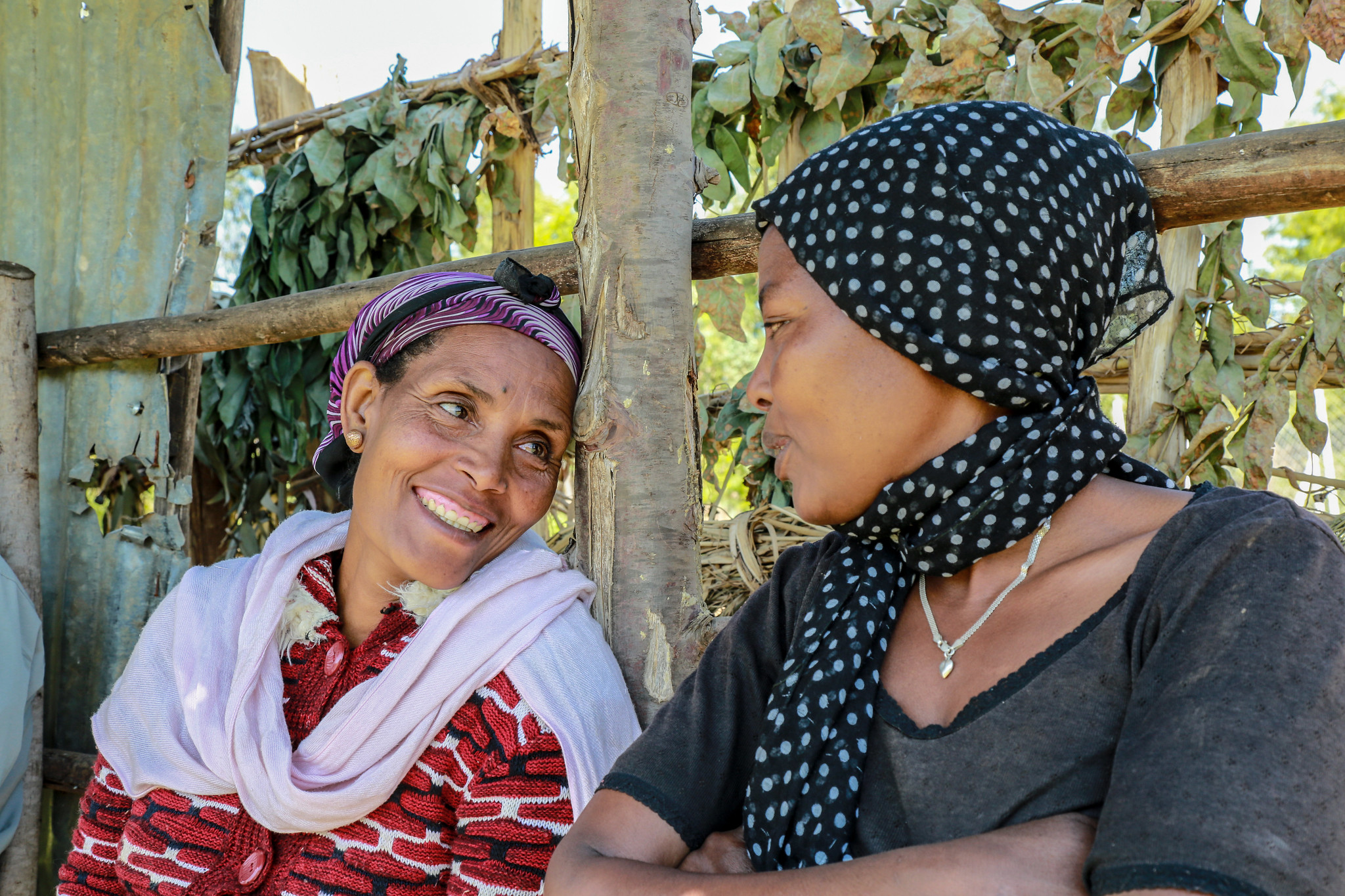
Ethiopian wheat farmers adopt quality seed and a vision for a more profitable future
 Nutrition, health and food security
Publication analyzes success factors of Wheat Seed Scaling project, which has benefited more than 131,000 rural households in Ethiopia.
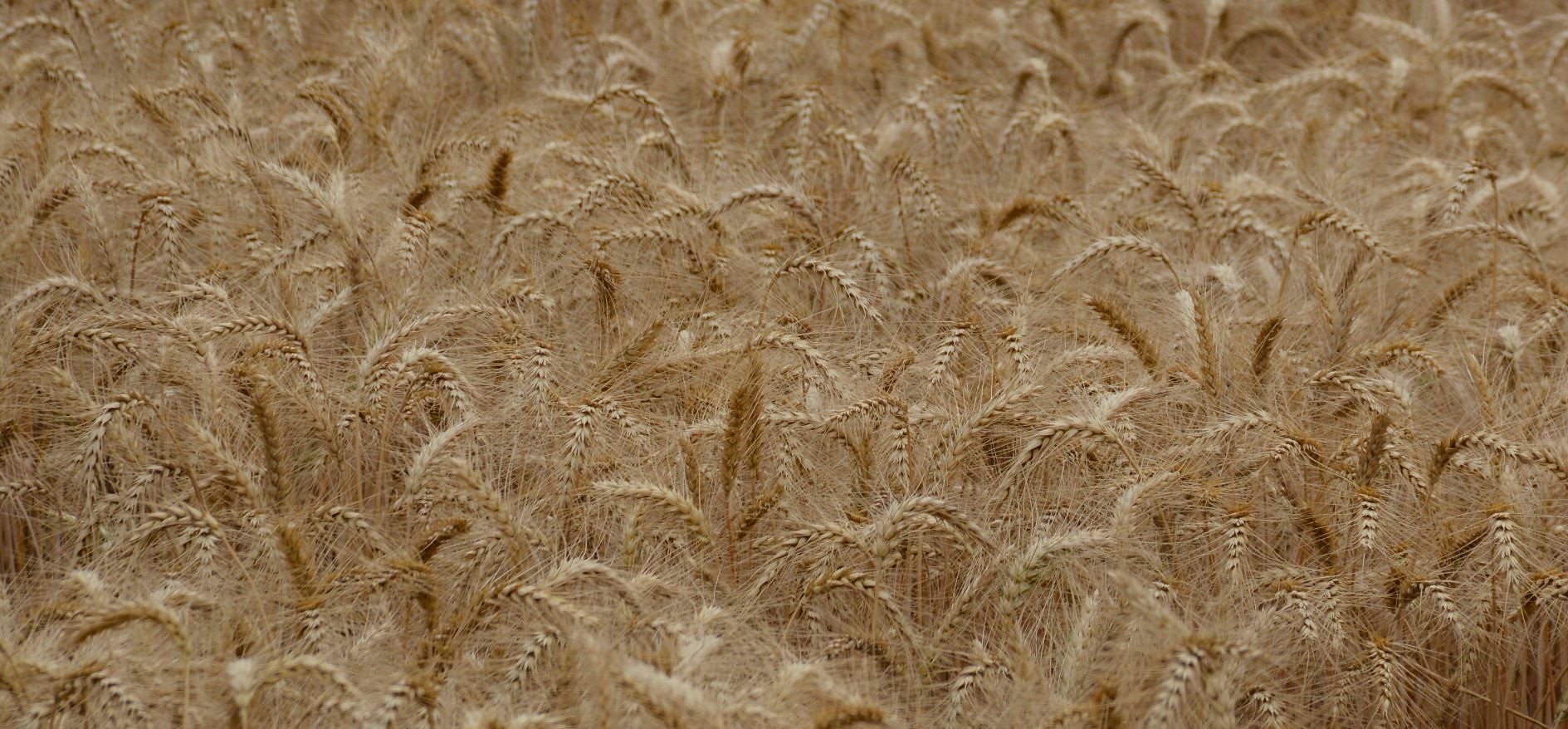
CIMMYT and Pakistan: 60 years of collaboration
Nutrition, health and food security
New fact sheet captures the impact of six decades of maize and wheat research in Pakistan.
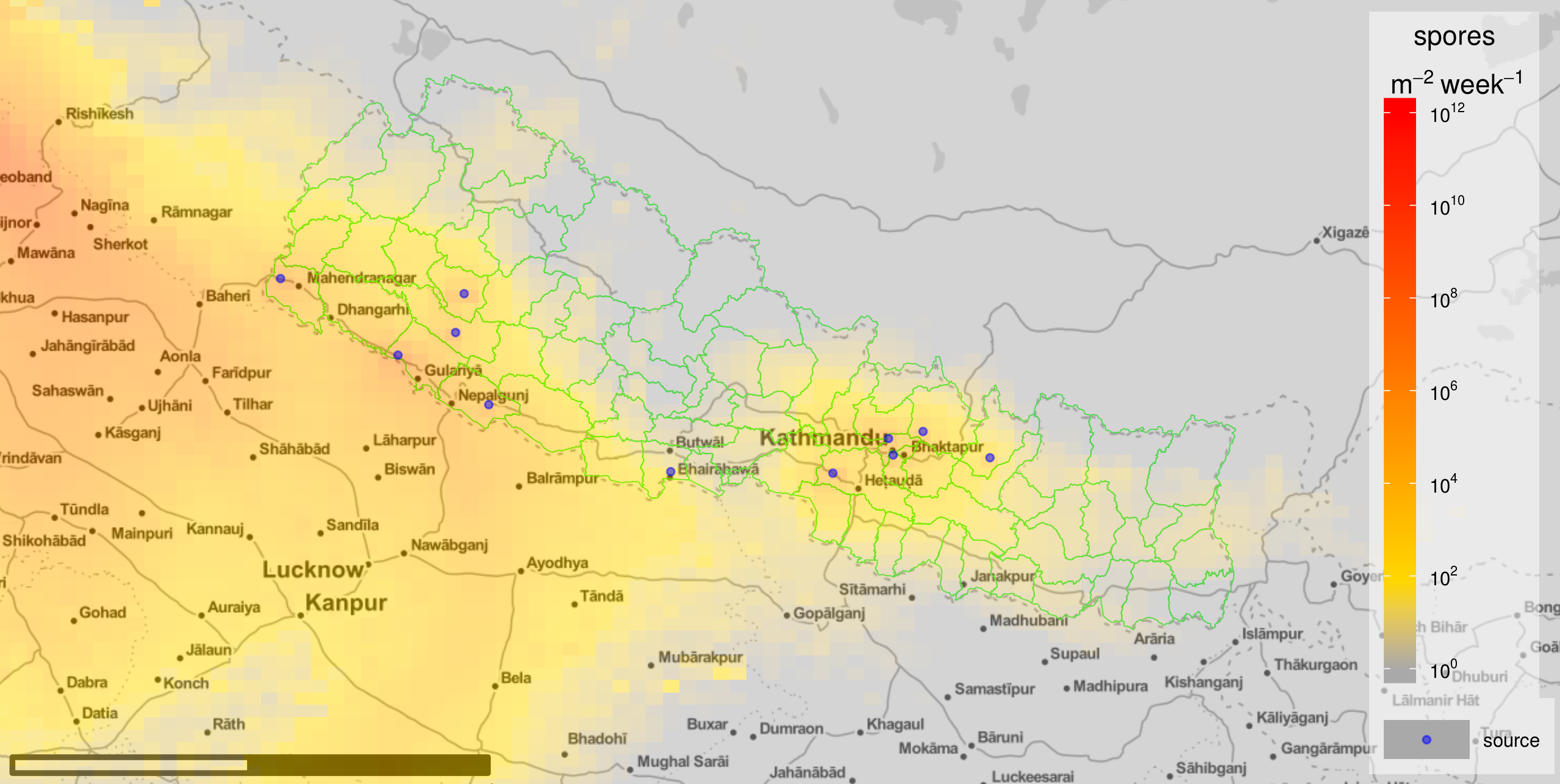
Blast and rust forecast
Climate adaptation and mitigation
New project to deliver wheat disease warnings directly to farmers’ phones in Bangladesh and Nepal.
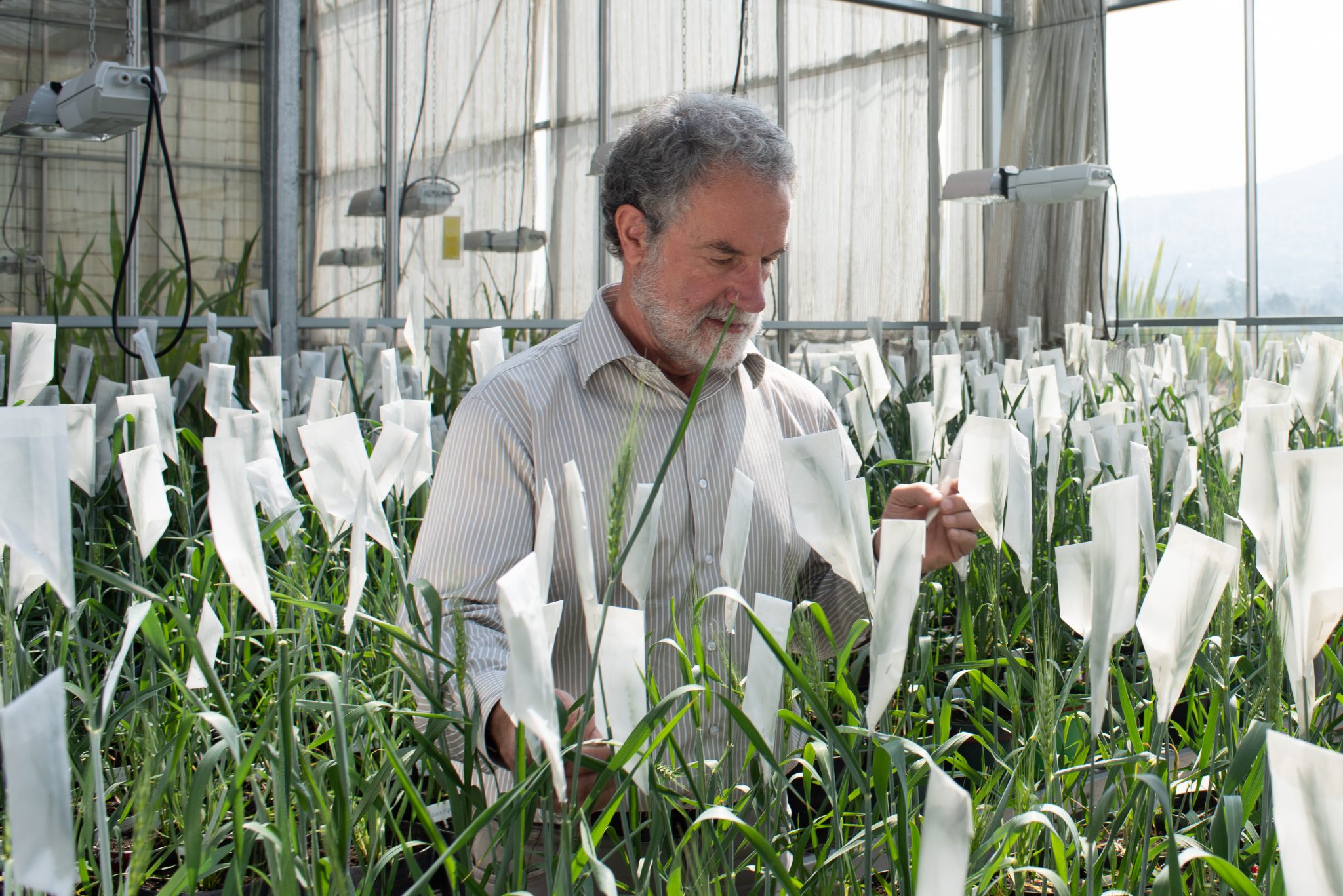
Crossing boundaries
Nutrition, health and food security
Looking at wheat diseases in times of the COVID-19 crisis.

Wheat curl mites: What are they and how can we fight them?
Nutrition, health and food security
Entomologist Punya Nachappa explains wheat curl mites, the impact of climate change and why breeding for host plant resistance is key.

From popcorn to roti
Nutrition, health and food security
What do wholegrain foods look like around the world?
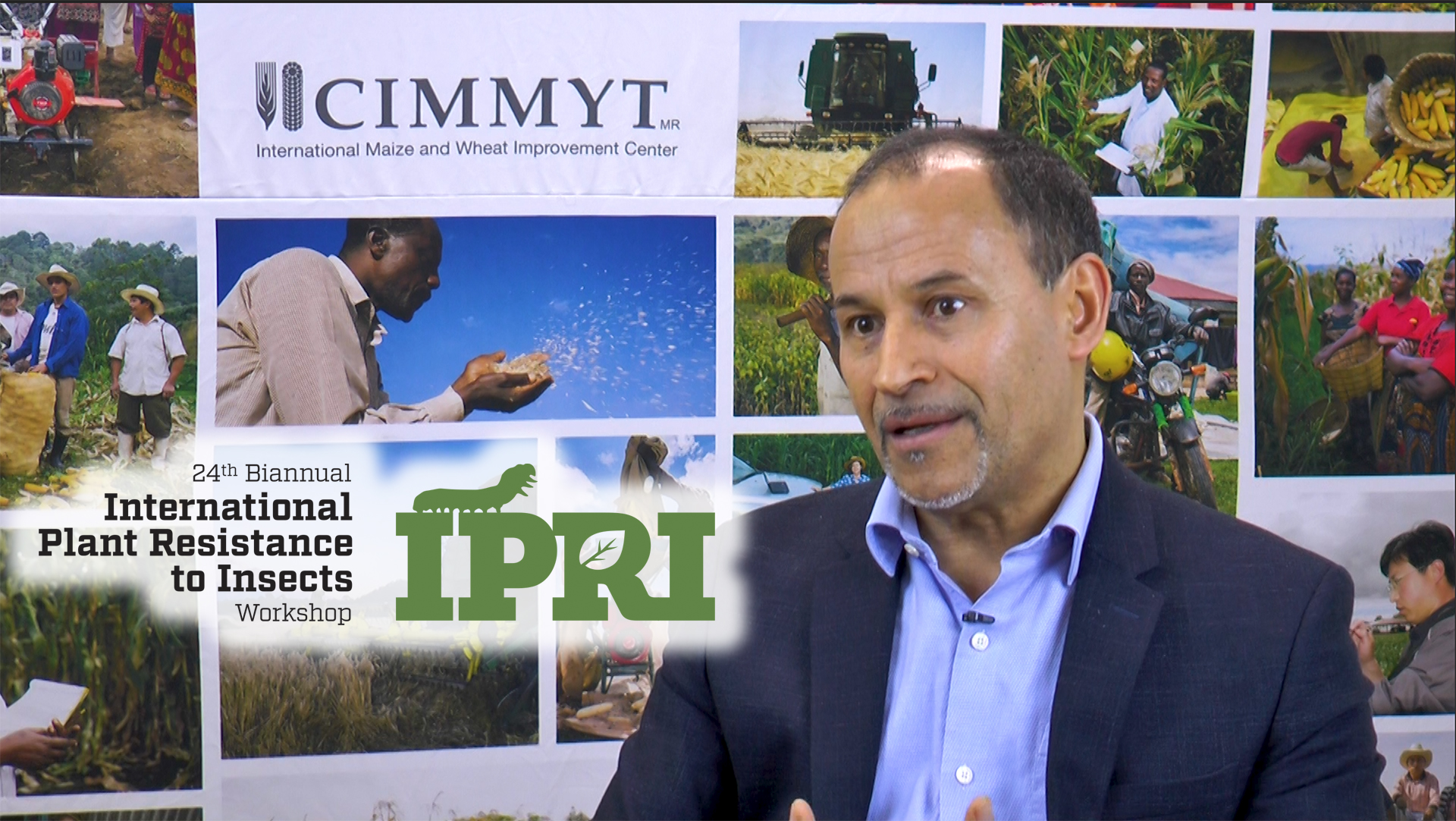
ICARDA’s Mustapha El-Bouhssini explains how crop pests are moving in a warming world
Climate adaptation and mitigation
Climate change will see pests moving countries and continents as conditions become more favorable.
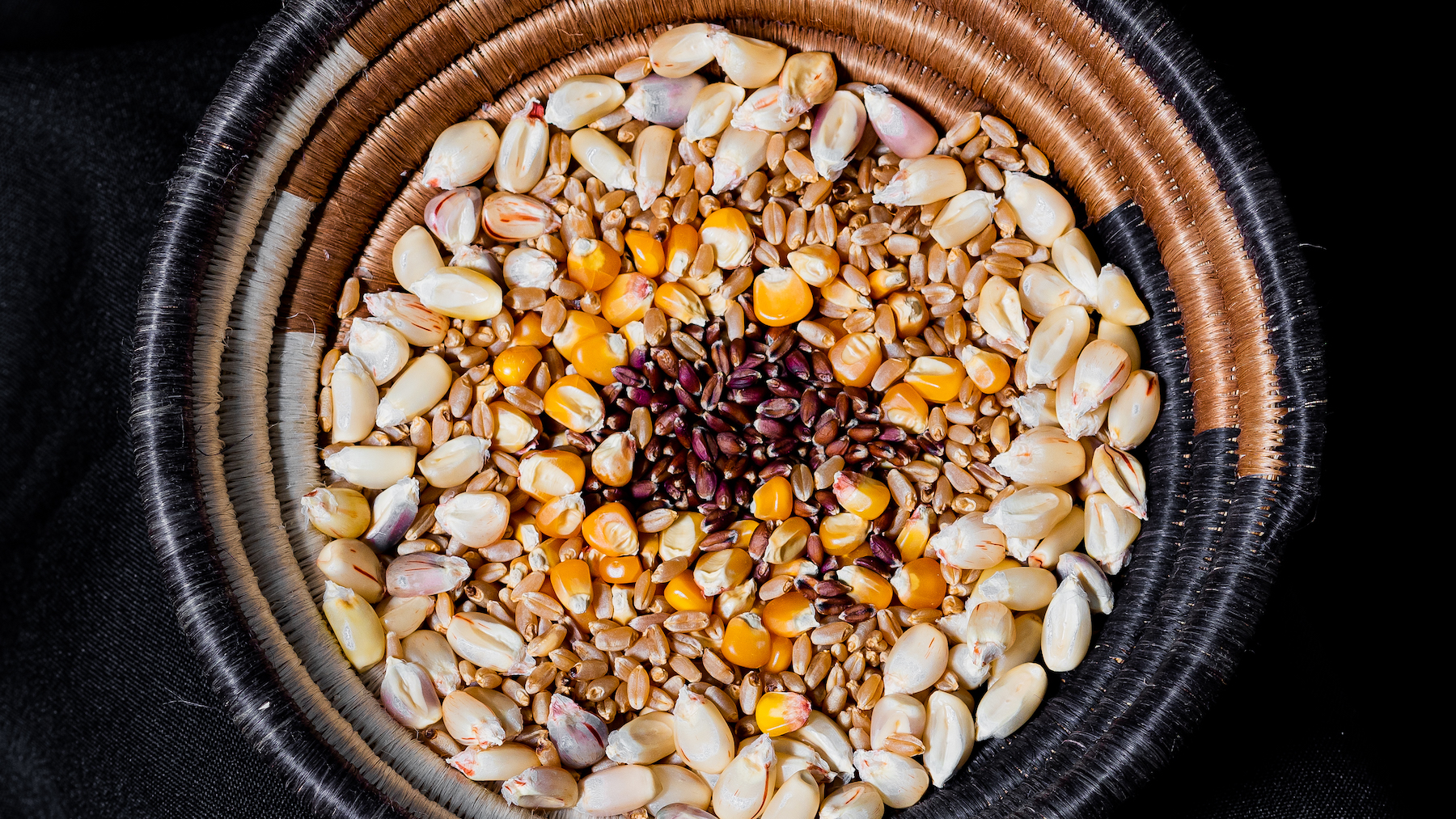
Whole grains
Nutrition, health and food security
What they are, why they are important for your health, and how to identify them.
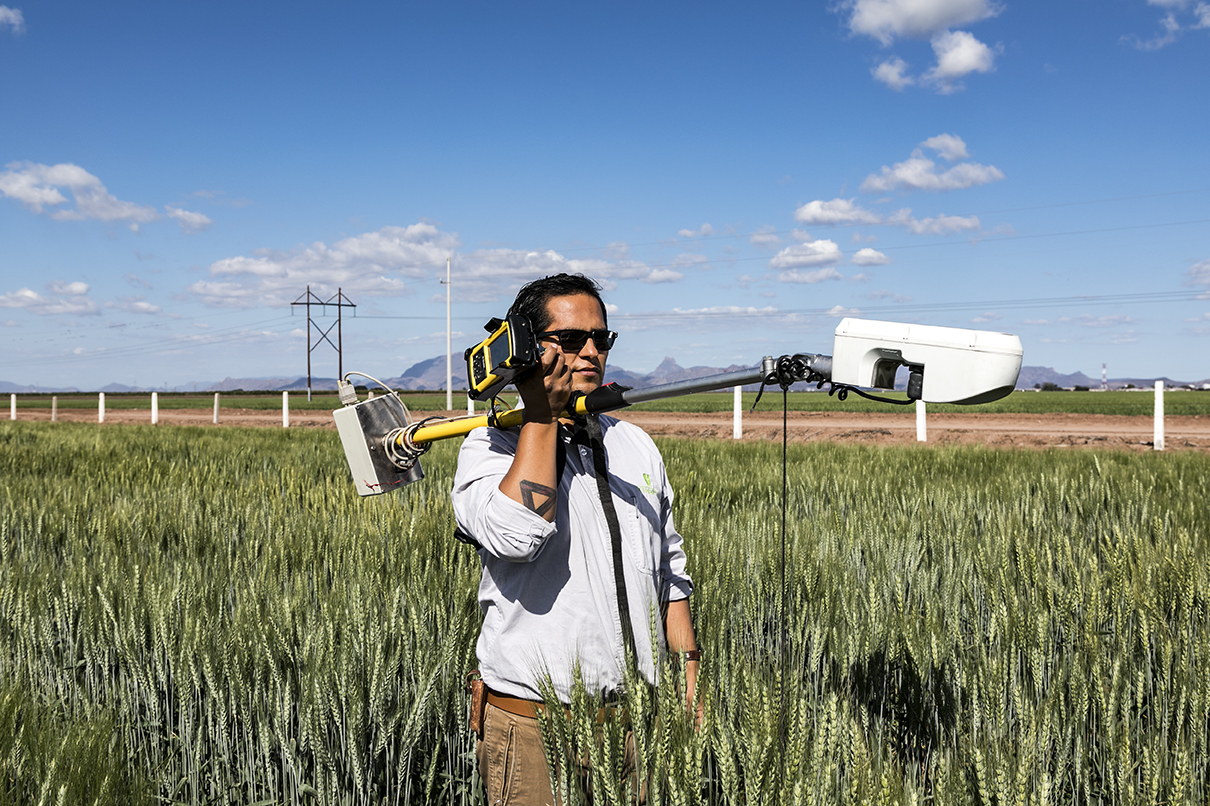
New publications: Breeders can benefit much more from phenotyping tools
Innovations
Researchers discuss how phenotyping can assist breeding and make the case for investing in new methodologies.
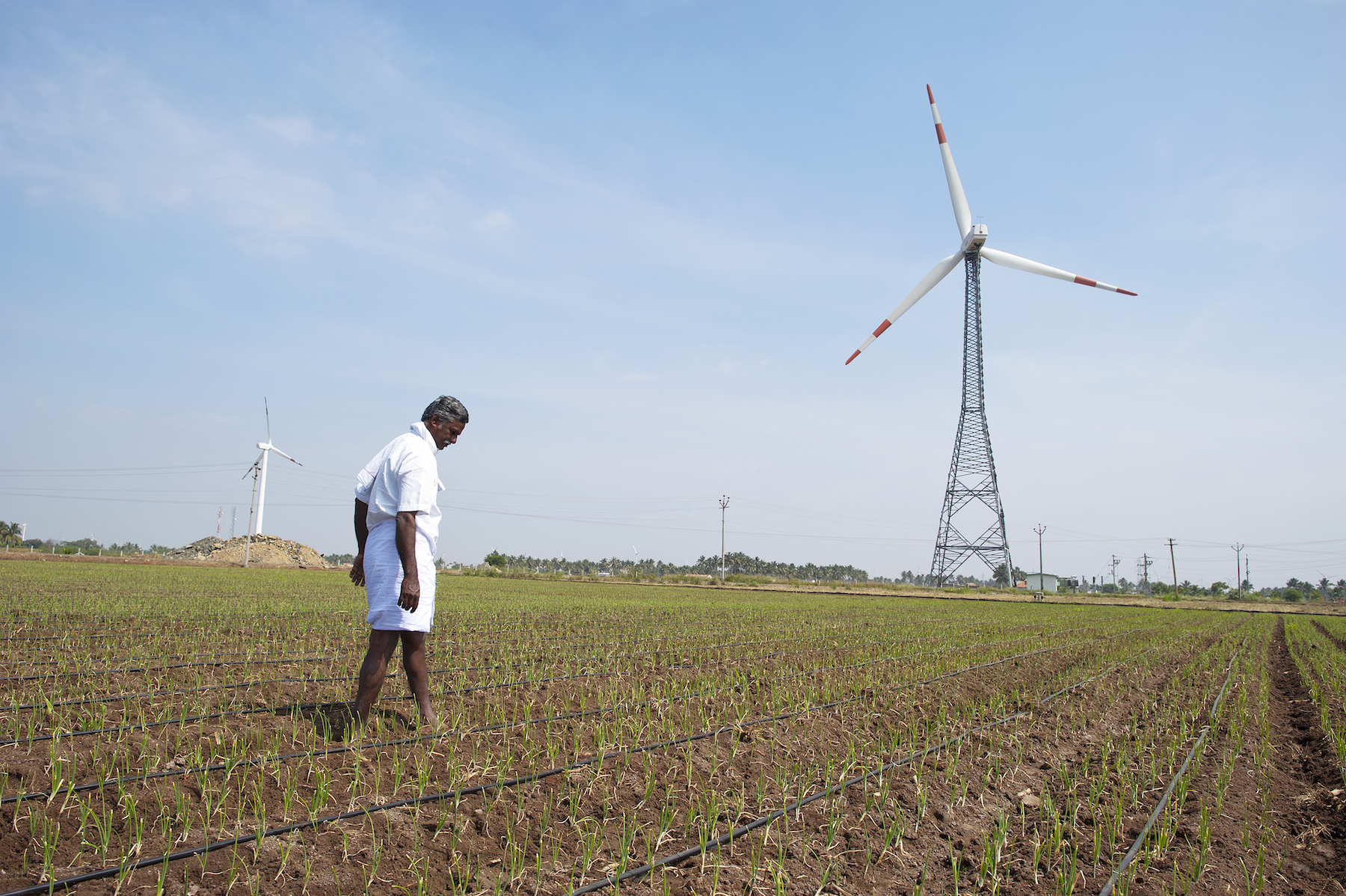
Systems thinking at work in South Asia’s food production
Environmental health and biodiversity
New blog published by the Chicago Council on Global Affairs argues that balancing food security, rural livelihoods, water for agriculture and air quality need not be a zero-sum game.

One-minute science: Suchismita Mondal on breeding resilient wheat
Climate adaptation and mitigation
Breeders are developing wheat varieties that have stable grain yield under low-water and high-temperature conditions.
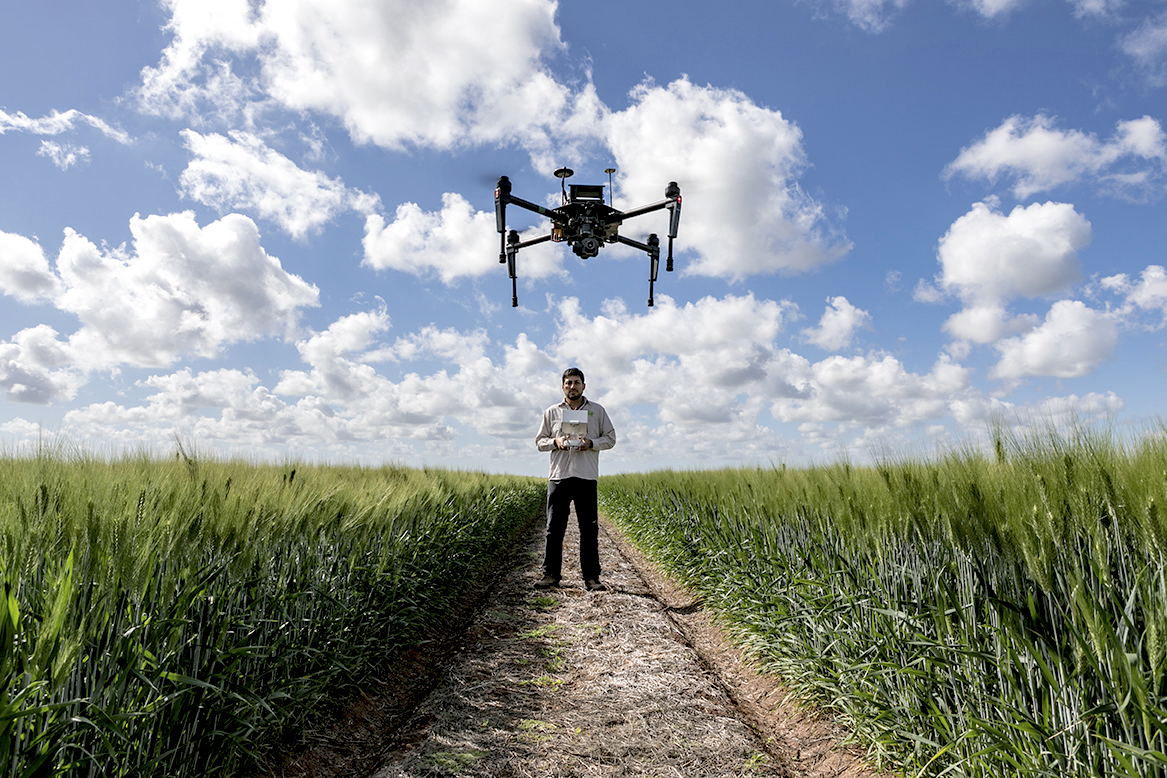
Breeder friendly phenotyping
Innovations
Modern phenotyping tools are crucial for crop improvement and breeders can profit much more from them.

Another Green Revolution needed for wheat, says report
Climate adaptation and mitigation
Source: Dawn (9 Feb 2020)
Climate change threatens wheat yields in South Asia.
Growers issued yellow rust warning
Environmental health and biodiversity
Source: Dawn (6 Feb 2020)
CIMMYT warns wheat-growing farmers in Pakistan to watch for yellow rust disease.
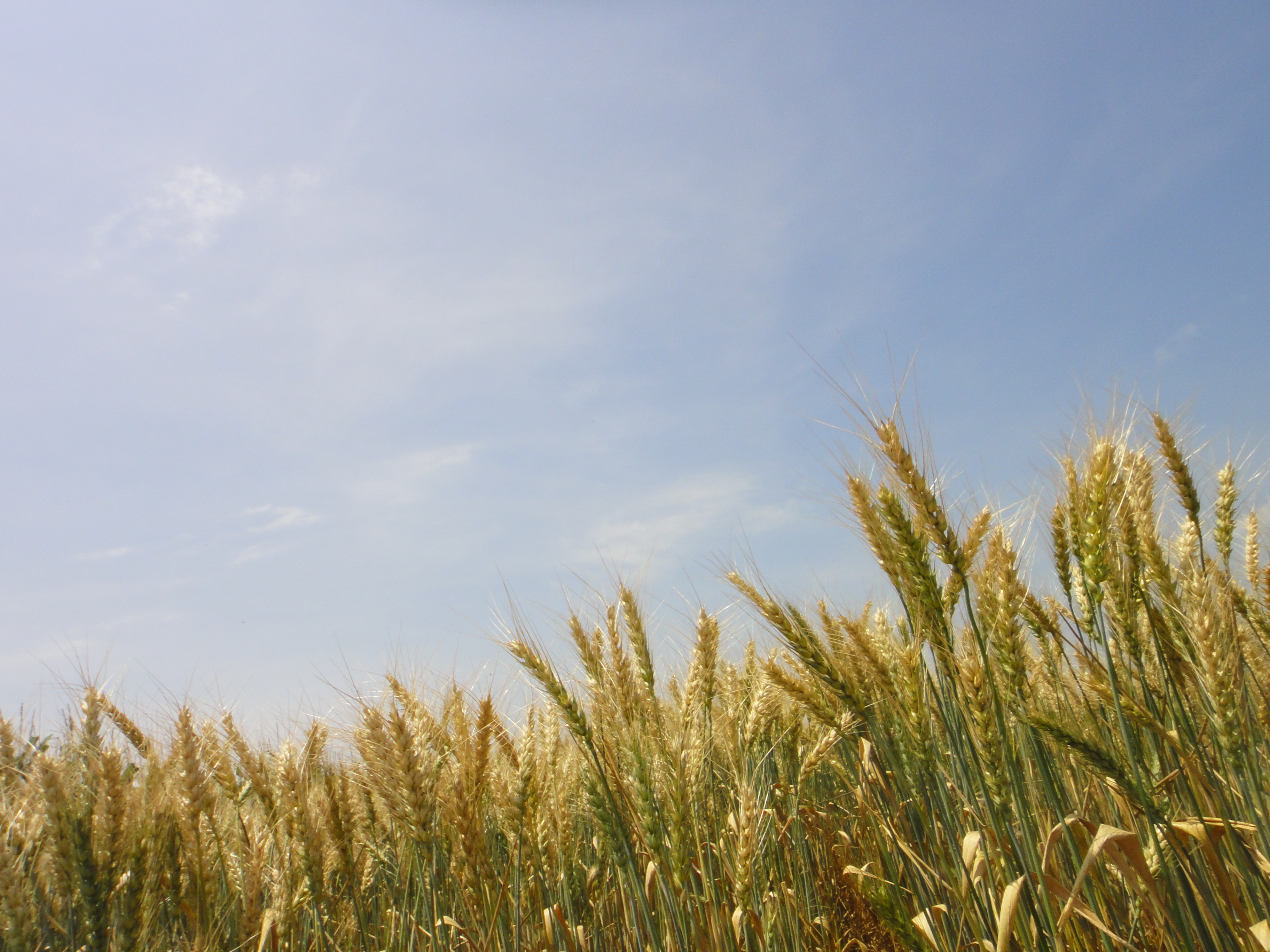
New publications: Optimum nitrogen fertilizer rates for rice and wheat in the Indo-Gangetic Plains of India
Climate adaptation and mitigation
The results of the study will allow farmers to get the best crop yields while saving money and reducing harmful nitrous oxide emissions.