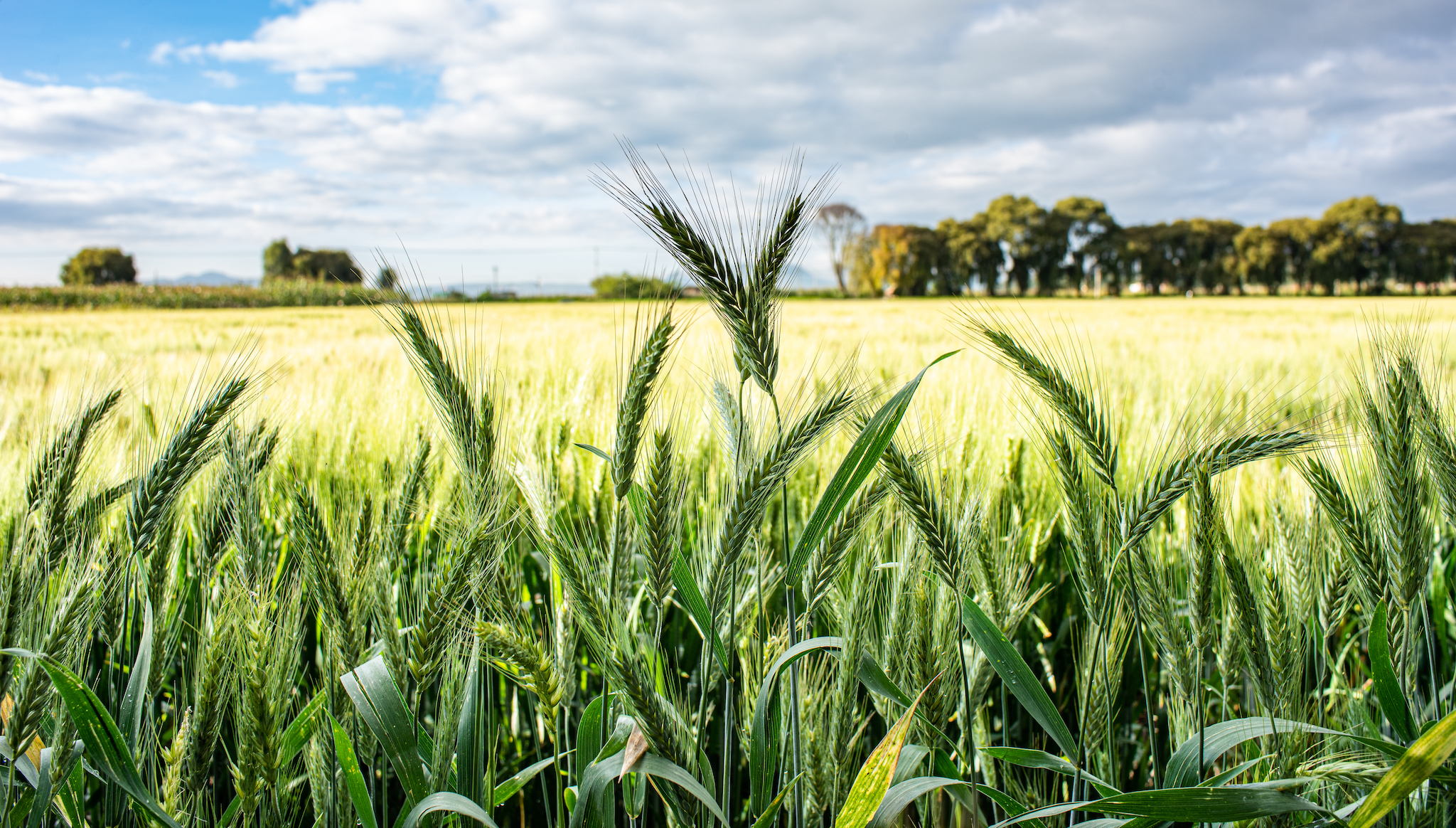
For decades, enriching staple crops with critical micronutrients was seen as a niche objective within plant breeding. Today, with support from the Gates Foundation, a shift is underway: wheat breeders across CGIAR-CIMMYT and national breeding programs are mainstreaming zinc enrichment directly into elite wheat breeding lines, transforming how we tackle one of the world’s most widespread and silent nutrition problems.
Rather than treating zinc as an add-on trait, scientists are developing breeding lines where zinc enrichment is already built in. This simple but major shift frees breeders to focus on other farmer- and consumer-prioritized traits, like higher yields, pest and disease resistance, and resilience to climate change, without compromising nutrition.
It’s a game changer and not just for wheat; the same model can be adapted for other staple crops, including maize and rice.
Why zinc matters
Zinc is the second most abundant trace mineral in the human body after iron, but it must come from food. It plays a role in hundreds of vital processes, from gene expression and immune defence to hormone function and tissue repair. Deficiencies are particularly dangerous for children, contributing to stunted growth, cognitive delays, frequent infections, and impaired healing.
Among adults, zinc deficiency is now linked to cardiometabolic diseases and weakened immune systems. And while a balanced diet usually offers enough, many people in low-income regions lack access to zinc-rich foods like seafood, meat, or fortified products.
Globally, around two billion people are affected by zinc deficiency. In South Asia, the prevalence is as high as 30%. The global risk sits at 17%, with sub-Saharan Africa and Central America also identified as high-risk regions.
Biofortification: A smart, scalable solution
The agricultural world calls it “hidden hunger”; a lack of essential micronutrients that doesn’t show up in calories but severely impacts health. Zinc biofortification through crop breeding offers a cost-effective and scalable way to address it. Unlike supplements or food fortification, biofortified crops deliver nutrients through regular diets, to large segments of a given population, without the need for behaviour change, especially in rural or resource-constrained communities.
In cereals like wheat, which account for 30–40% of daily caloric intake in many countries, increasing zinc levels is particularly impactful.
Breakthroughs in South Asia
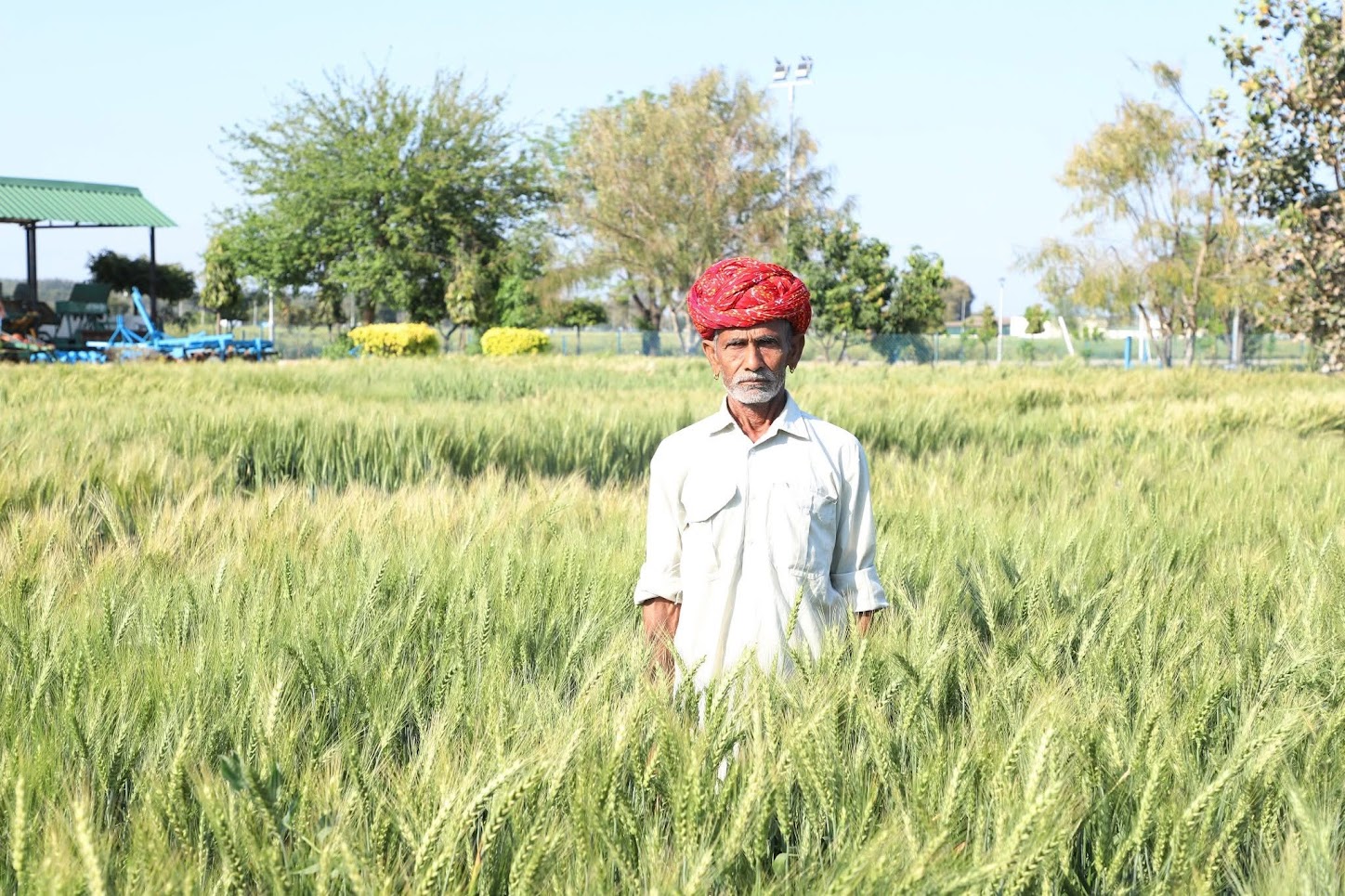
The strategy is already working. In Pakistan, a country where wheat consumption averages 130 kg per person per year, CGIAR and national scientists have released five zinc-enriched wheat varieties.
One standout is Akbar-19, now the country’s most successful wheat variety. It combines enhanced zinc content with high yield, lodging resistance, disease tolerance, and excellent chapati quality. It is currently consumed by an estimated 100 million people.
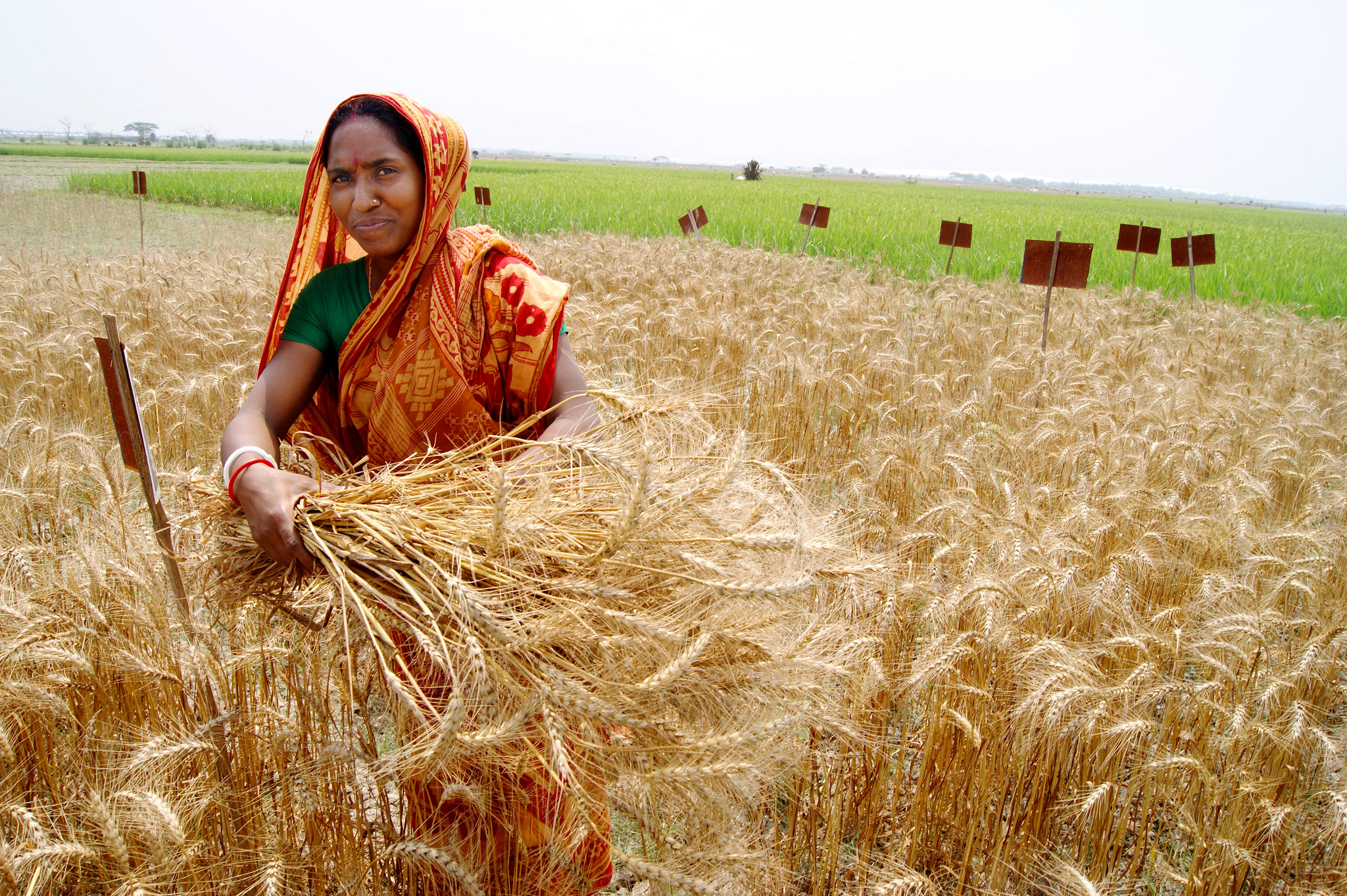
Across India, Nepal, and Bangladesh, over two dozen high-zinc wheat varieties derived from CGIAR research have been released and adopted. Together, they cover more than 6 million hectares in South Asia, helping millions access better nutrition without changing their diets.
Why mainstreaming changes everything
Previously, zinc biofortification was managed as a separate breeding track. Now, CGIAR is integrating zinc-rich traits directly into its elite breeding materials, a method known as mainstreaming. With zinc already in the breeding lines, scientists are free to focus on enhancing other traits demanded by smallholder farmers.
This bundling of benefits is critical: zinc is invisible – you can’t see or taste it – so adoption relies on additional benefits like yield improvements or resistance to local pests and diseases. For farmers working just 1–2 hectares, that combination is key to adoption.
The shift also opens the door for greater cross-crop innovation. The same mainstreaming strategy used in wheat is now being adapted in other crops, potentially amplifying the impact across global diets.
Breeding for tomorrow’s climate
There’s added urgency. Studies show that rising CO₂ levels expected by 2050 in the atmosphere will likely reduce zinc concentrations in staple cereals. Mainstreaming zinc enrichment now is a proactive defence against a climate-linked nutritional setback.
Encouragingly, CGIAR/CIMMYT wheat programs have increased both grain yield and zinc content by 2% per year over the last five years through the Zn mainstreaming efforts- a combined 10% gain that shows what’s possible when nutrition and agronomy go hand-in-hand.
A hidden trait with visible impact
Biofortification is moving from the margins to the mainstream of crop breeding. It’s no longer just about yield or resilience, but all of this at once.
With global diets under threat from climate change, mainstreaming zinc in breeding pipelines offers a scientific, scalable, and inclusive strategy to deliver healthier food to more people. And by building zinc into the foundation of tomorrow’s crops, CGIAR and its partners are helping ensure no one is left behind in the fight against hidden hunger.
 Nutrition, health and food security