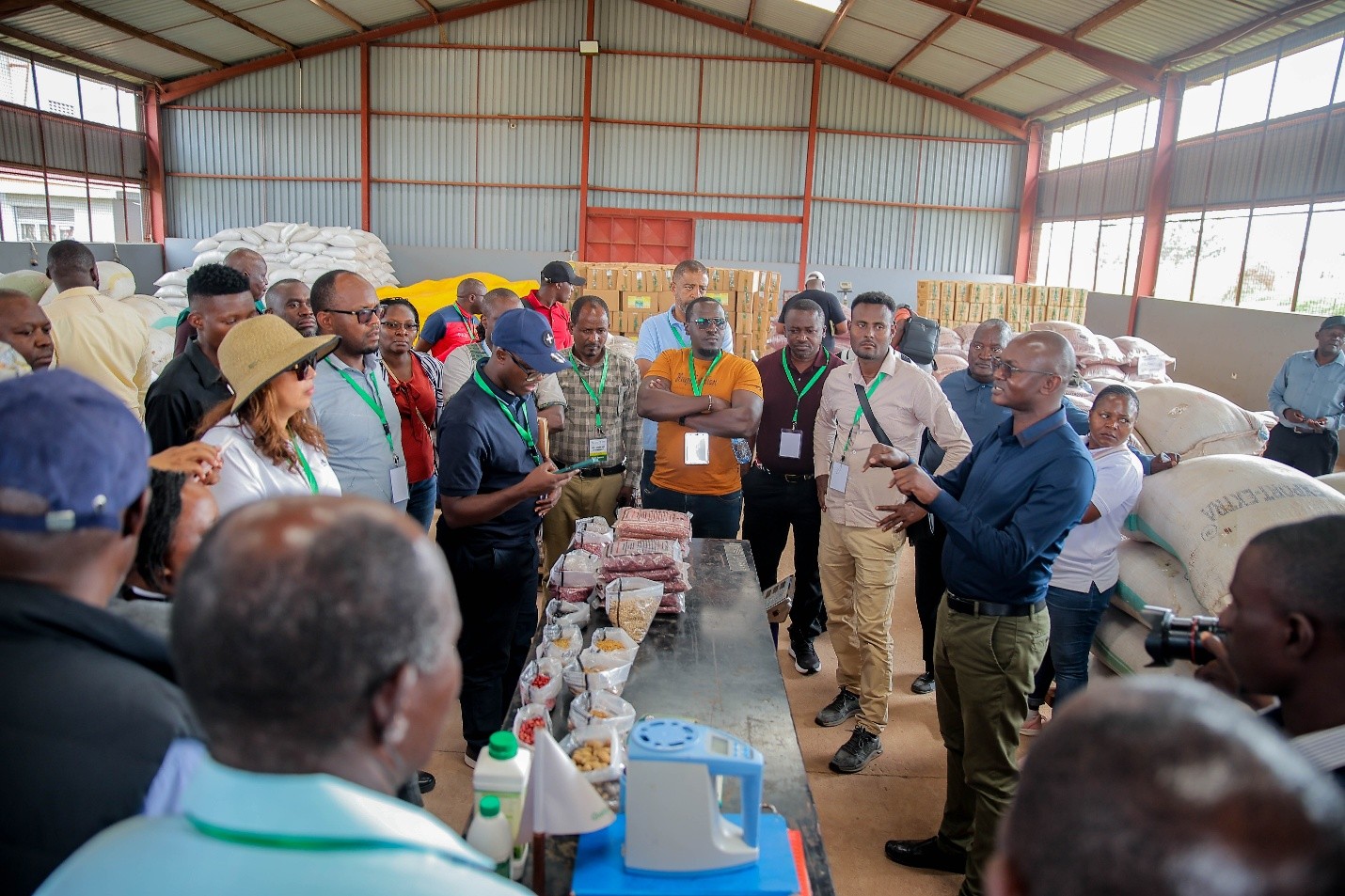
A delegation from the JAAS visited CIMMYT Kenya to engage with CIMMYT on maize and dryland crops research. The four-day engagement, hosted by CIMMYT’s Global Maize Program (GMP) and Dryland Crops Program (DCP), provided a platform for knowledge exchange and exploration of potential collaboration between CIMMYT and JAAS.
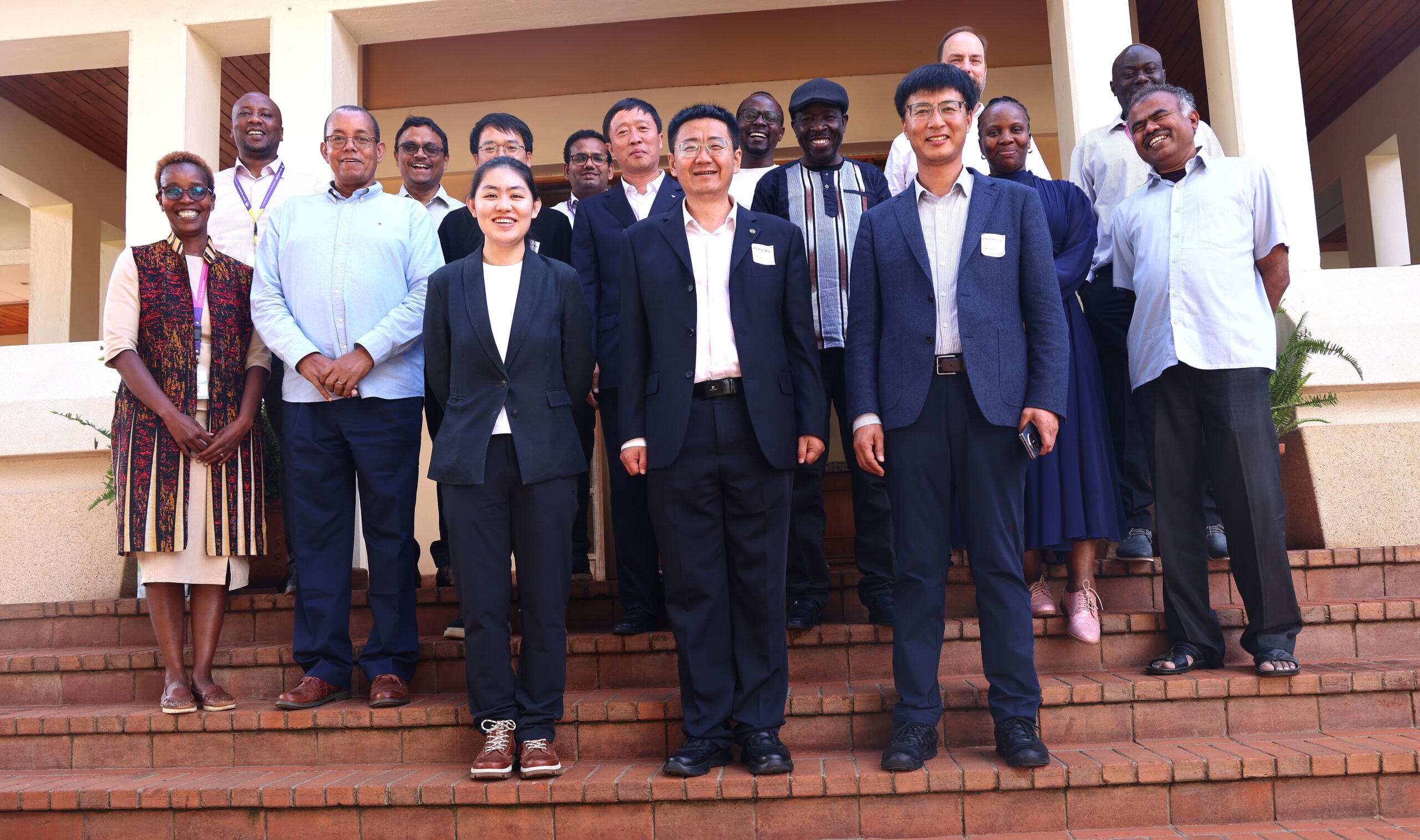
Strengthening knowledge exchange in Nairobi
The visit opened with discussions on regional breeding priorities for maize, sorghum and finger millet, the state of seed systems, and the critical role of agricultural research in strengthening smallholder resilience to climate change. CIMMYT’s Yoseph Beyene and Harish Gandhi presented recent advances in the development of climate resilient and high yielding varieties of maize and other dryland crops, drawing on conventional, molecular and transgenic approaches. The JAAS team followed with updates on their work in stress tolerance, hybrid development, and improvements in quality traits in different crops. Both institutions identified complementary strengths and emphasized the value of continued exchange in areas such as germplasm evaluation, molecular breeding, and capacity building.
Field learning and innovation at Kiboko
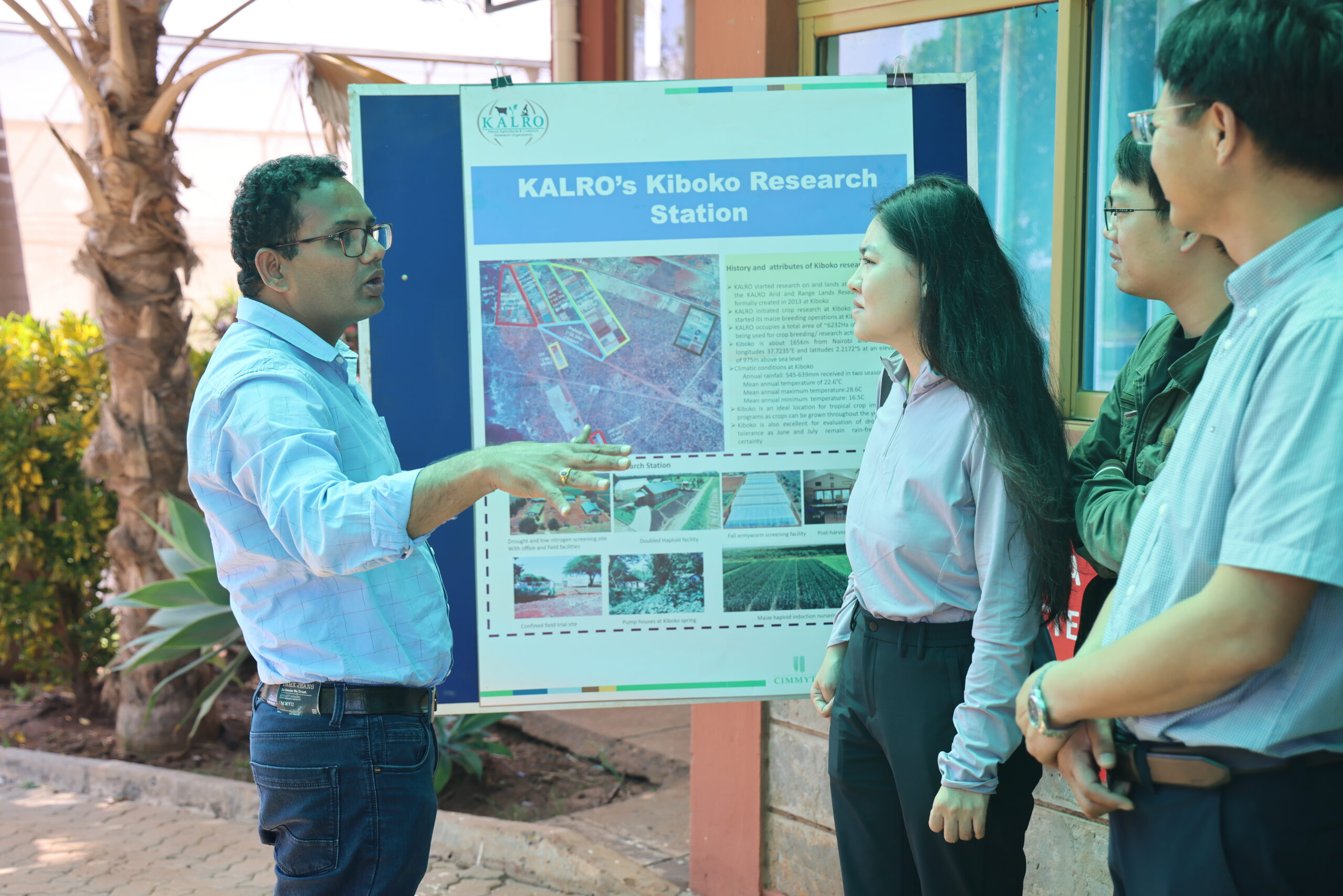
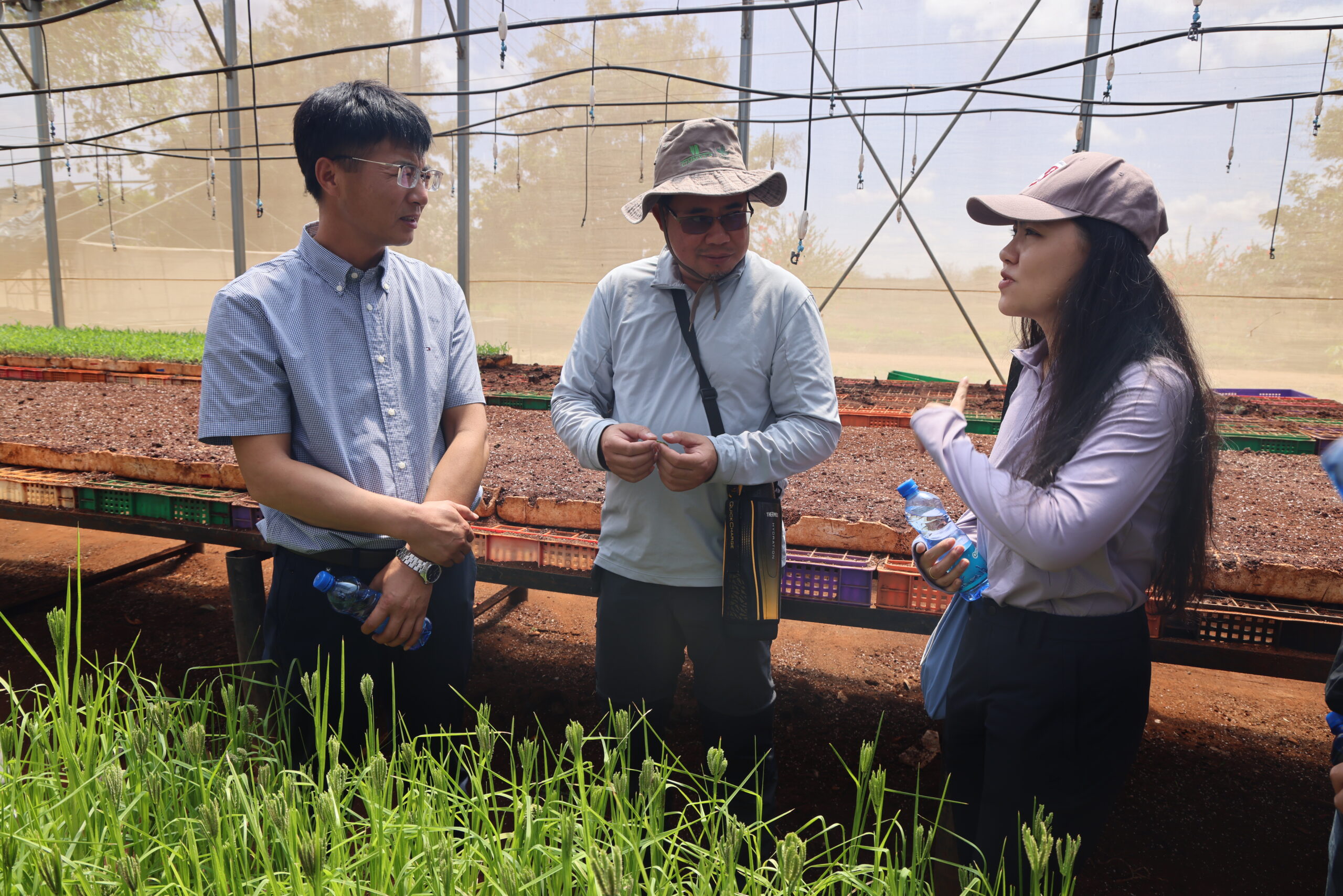
The highlight of the mission took place on 31 October, when the JAAS delegation visited the Kiboko Research Station in eastern Kenya. The station serves as a regional hub for CIMMYT for maize and dryland crops breeding, drought tolerance testing, and pest-resistance screening under real field conditions.
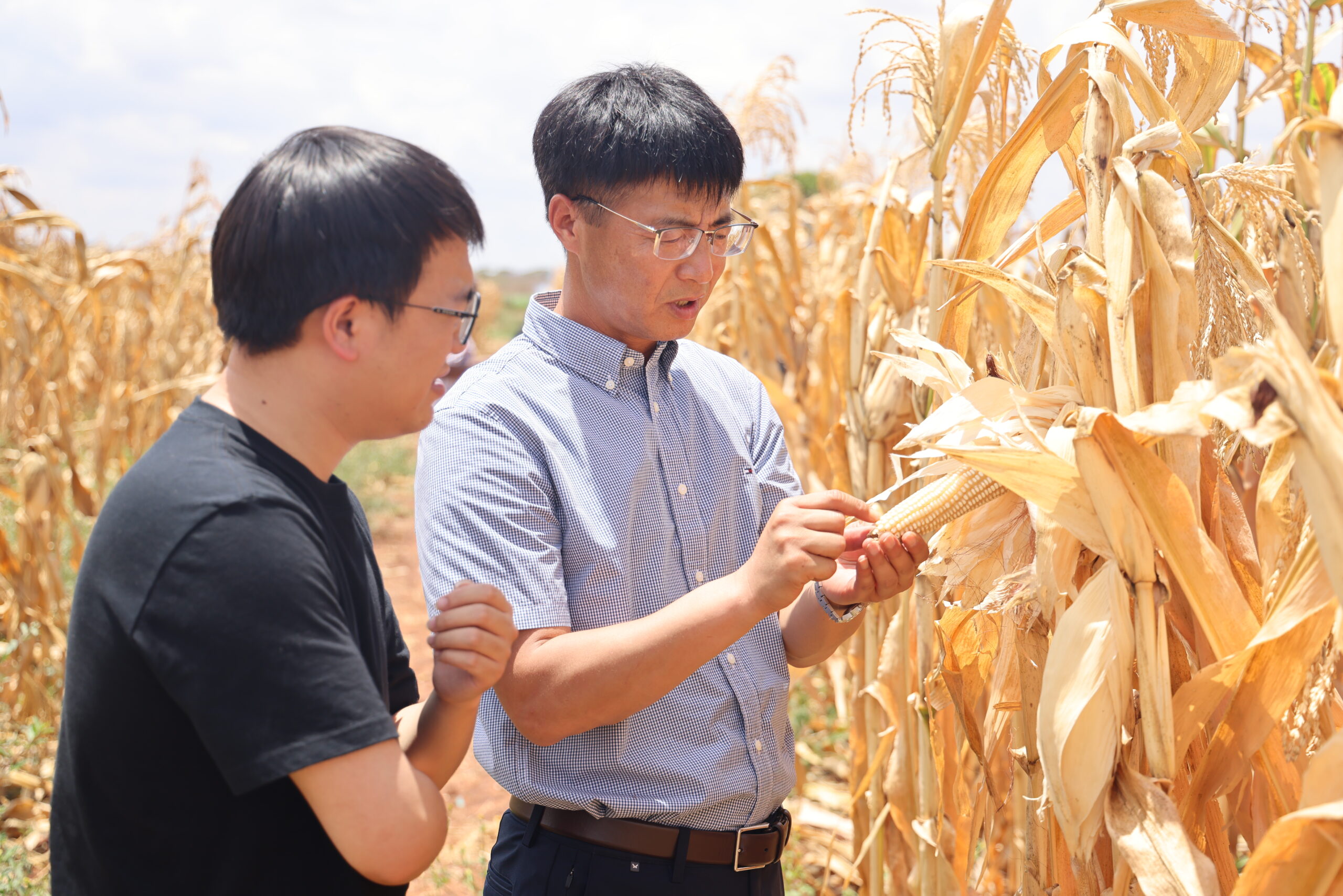
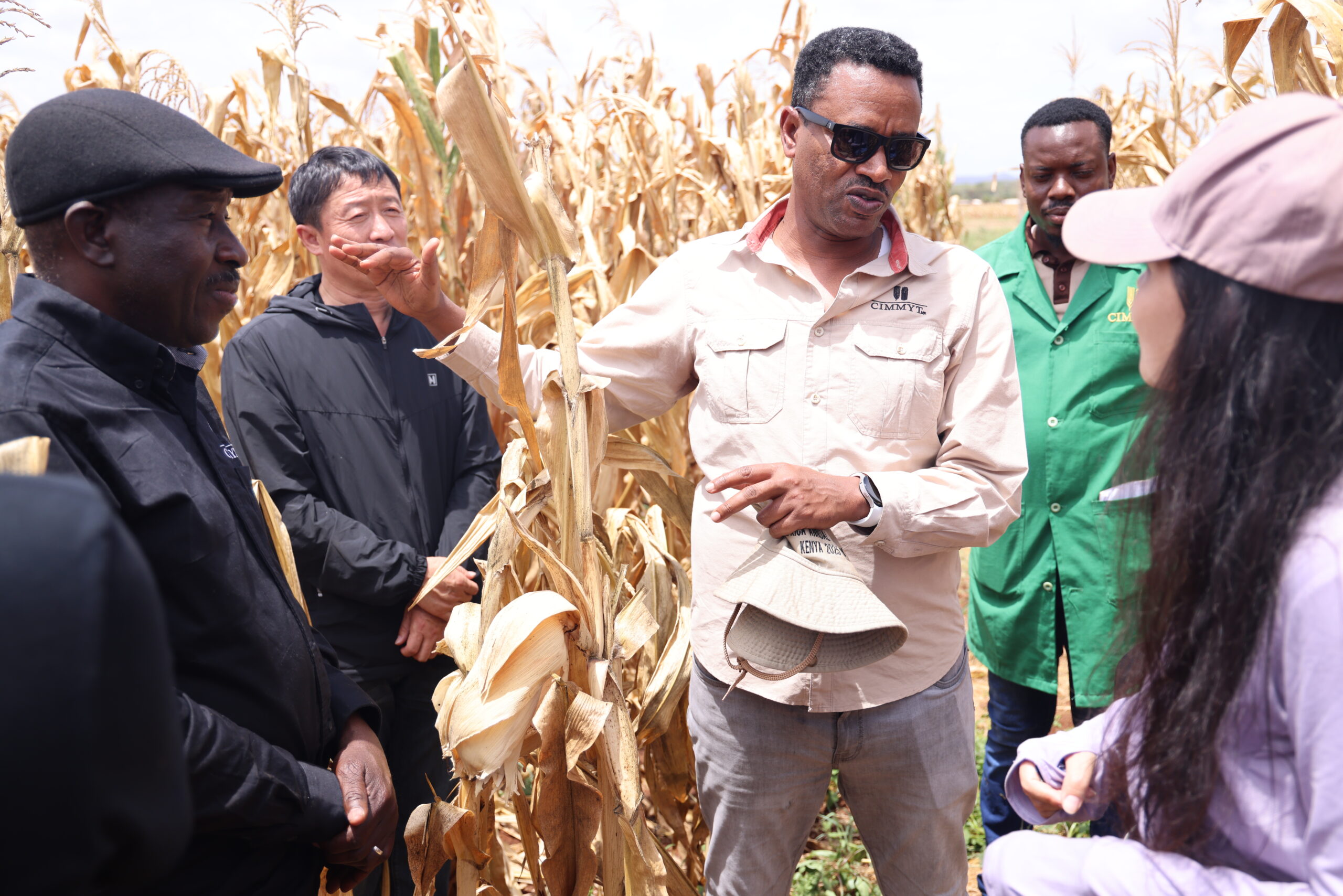
CIMMYT scientists led sessions on modern breeding approaches such as doubled haploid (DH) technology, genomic selection, and field-based phenotyping. The team observed ongoing trials intended for developing drought-tolerant and pest-resistant maize varieties, along with demonstrations on how CIMMYT integrates data, genetics, and farmer feedback to guide research.
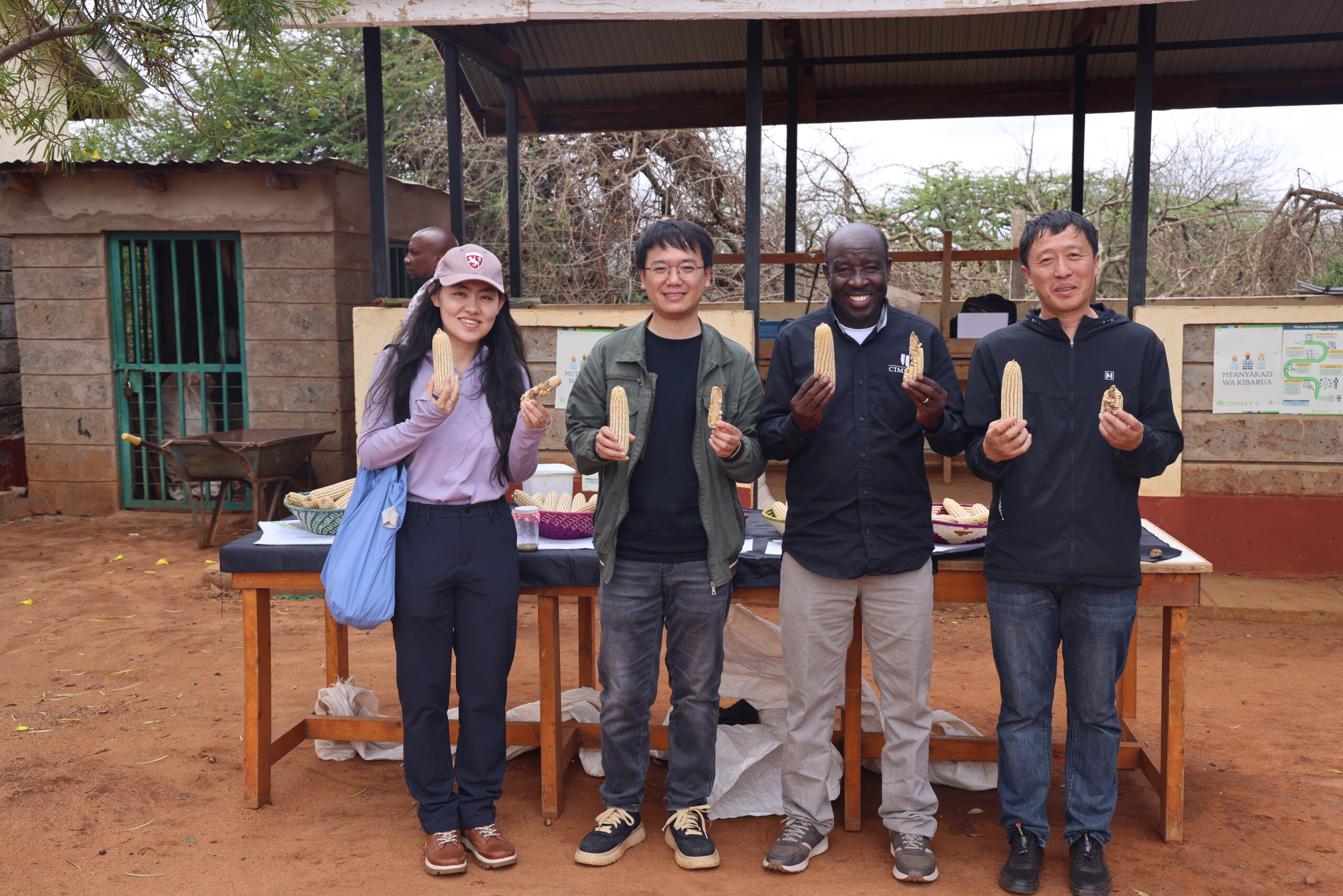
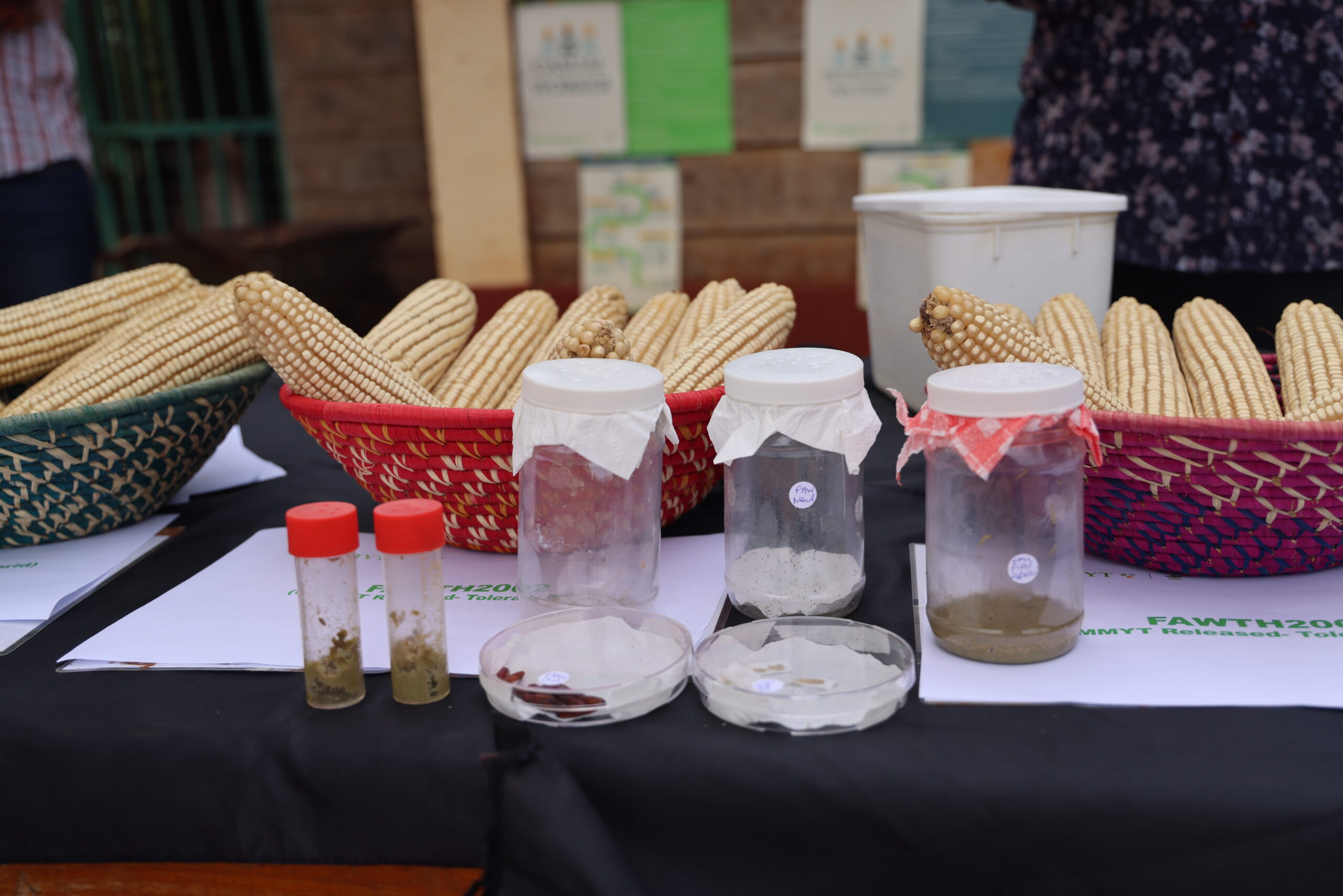
The JAAS team was also introduced to the innovative breeding approaches that are being co-created with national partners to deliver improved varieties to smallholder farmers in much shorter timeframes. They observed ongoing work in several dryland crops, including pearl and finger millet, where new breeding populations have been developed from recently identified founder parents with strong potential under rainfed conditions across multiple African countries. The team showed particular interest in the sorghum genotypes emerging from CIMMYT’s breeding pipeline, especially those advanced through rapid generation techniques advancement as Jihong Li shared:
“It was highly rewarding experience engaging in-depth discussions and exchanging insights on dryland crop breeding technologies and challenges. It has provided me with fresh perspectives for my research on sorghum genetics and breeding.”
Visit to MLN research station in Naivasha
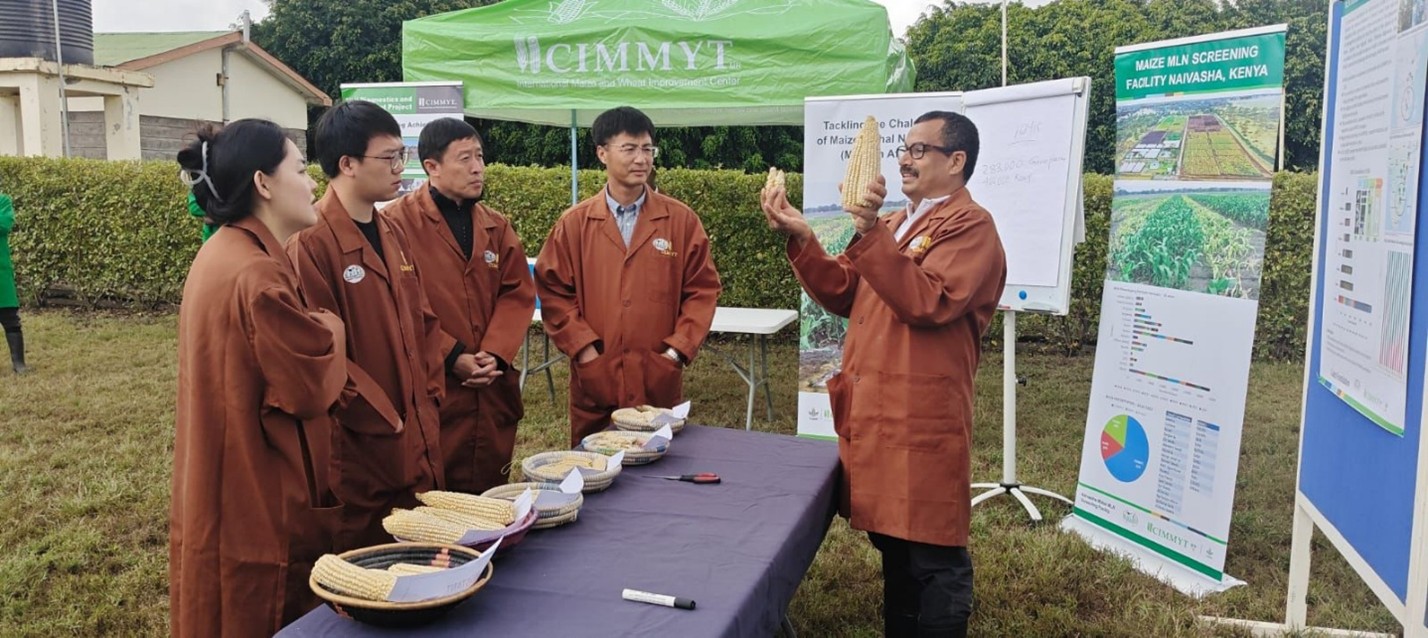
The delegation visited the Maize Lethal Necrosis (MLN) screening facility at Naivasha.
The JASS team was through several ongoing experiments, including work on the gene editing project. The tour helped deepen collaboration in maize pathology, MLN resistance breeding, diagnostics and smart surveillance. Discussions also explored opportunities for joint innovation in integrated pest and disease management, the use of digital warning tools and a student exchange program. Together, these efforts reflect a shared commitment to advancing resilient maize systems and demonstrating the power of science and partnership in securing Africa’s maize future.
Reflecting on the visit, Linna Feng noted her appreciation for the experience, saying she was pleased to engage with experts from both the Maize and Dryland Crops Programs and looked forward to building deeper collaboration in the months ahead.
Looking ahead
Throughout the visit, the JAAS scientists expressed deep appreciation for the breadth of CIMMYT’s research and the opportunity to observe crops and breeding systems across diverse environments as Weilong Zhang noted “Every researcher and staff member here is warm and hospitable, with a rigorous attitude towards scientific research, which is truly worthy of my learning. I hope to establish close cooperation with the Dryland Crops Center. Meanwhile, I welcome you all to visit and exchange ideas on millet breeding and cultivation in Gongzhuling, Jilin Province.”
CIMMYT and JAAS will continue exploring collaborative activities in breeding research, germplasm evaluation, and capacity development, building on the knowledge gained through this visit.
 Capacity development