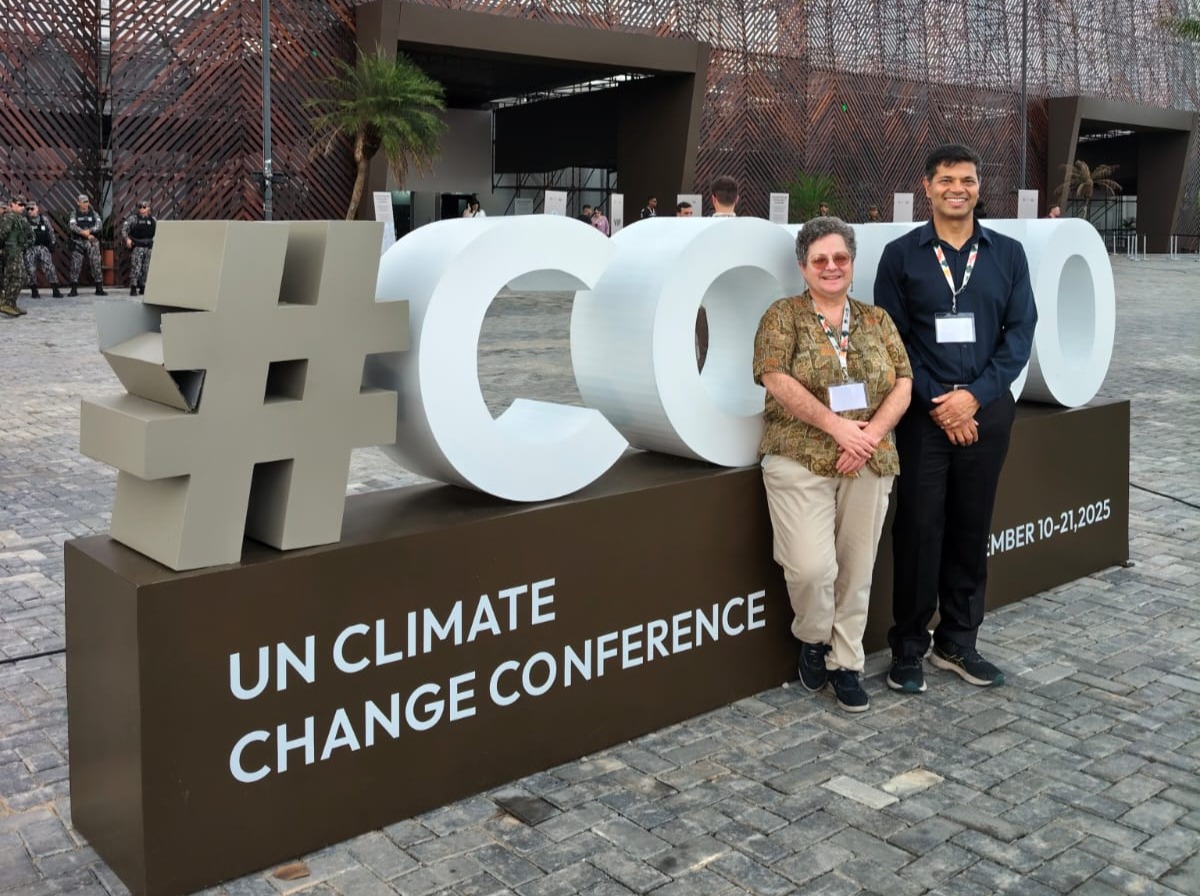
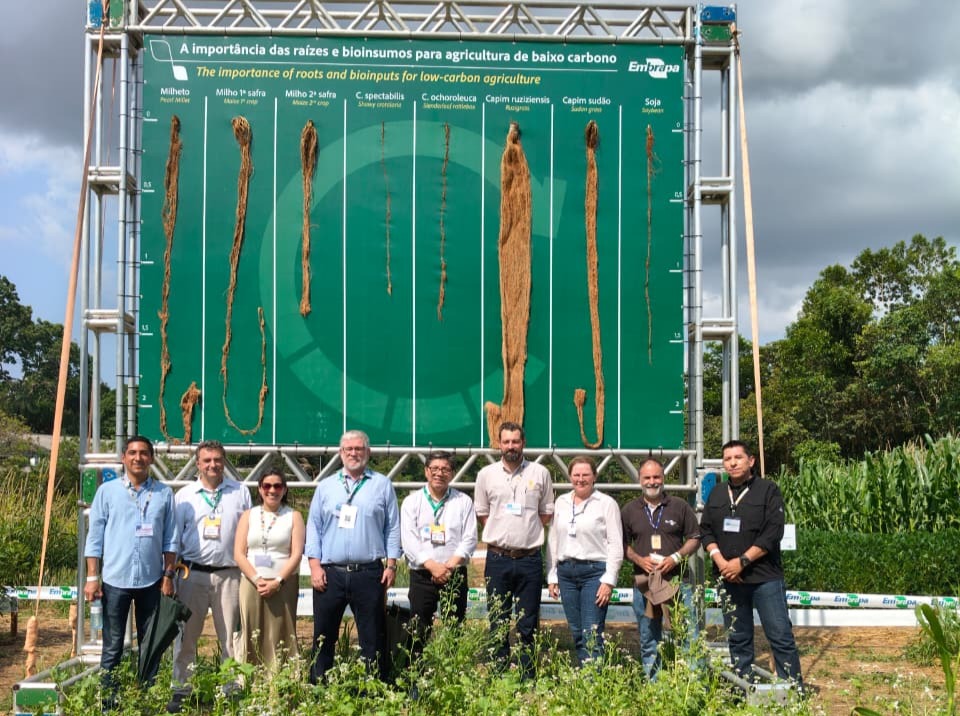


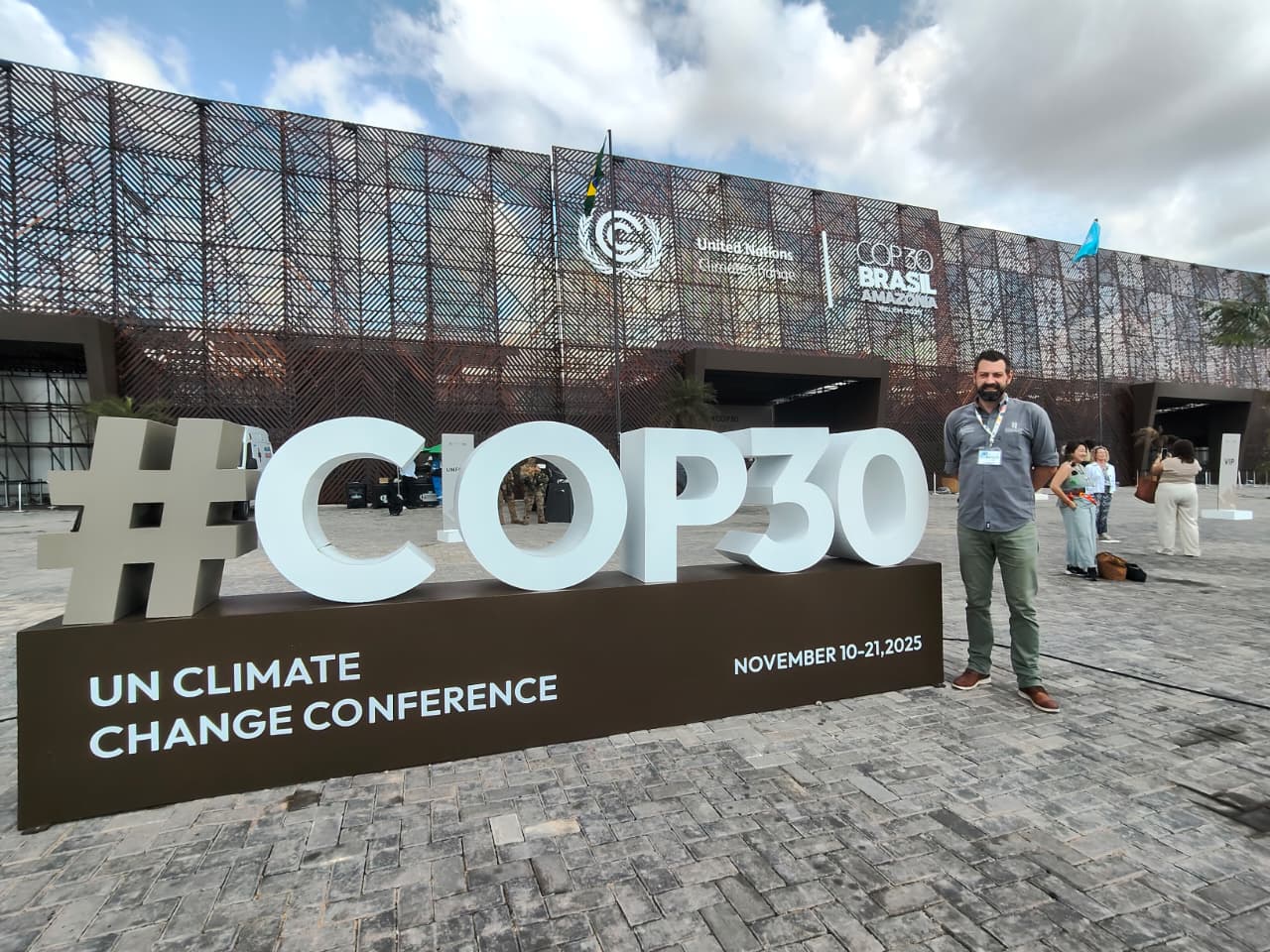
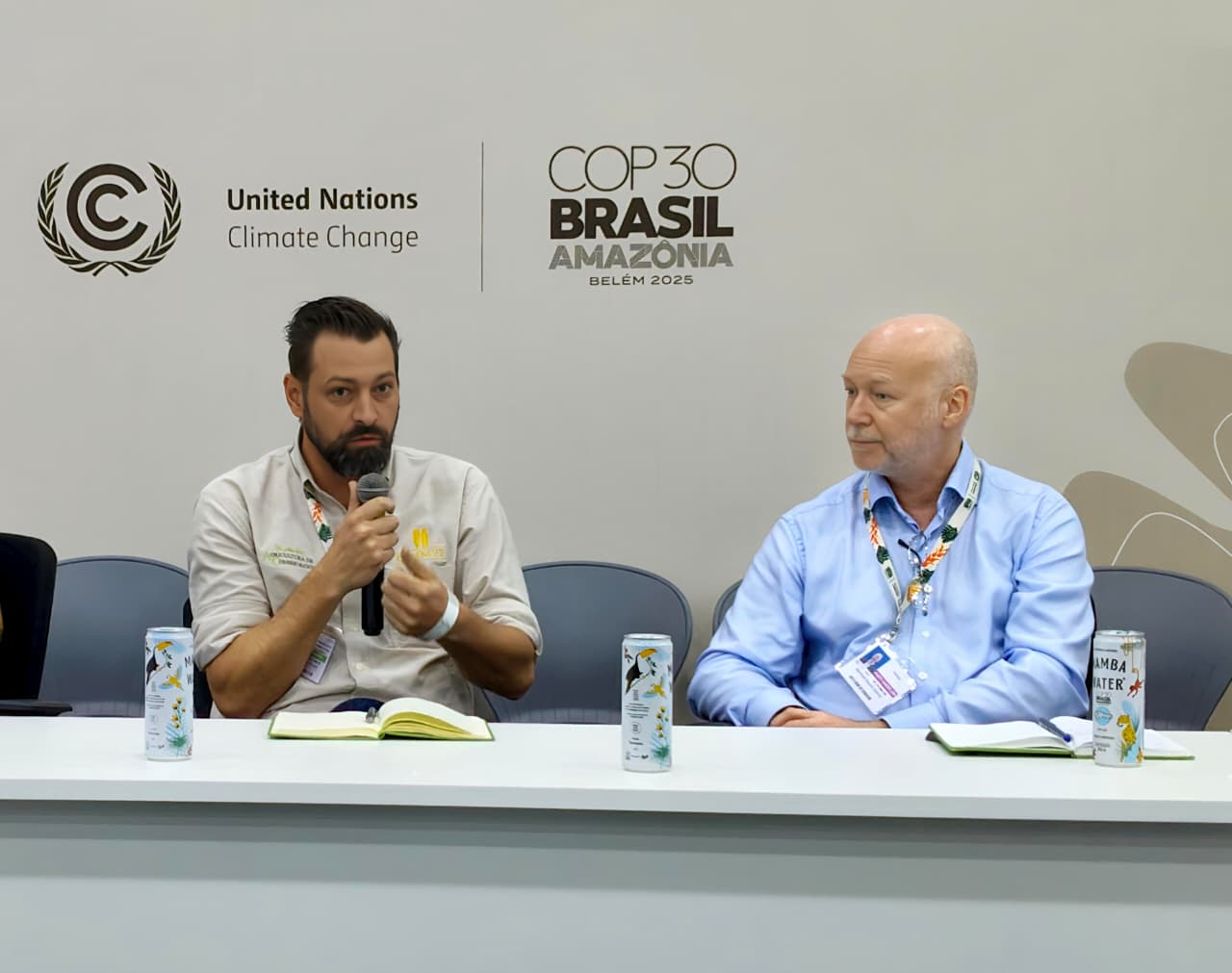
COP30 marked a turning point. For the first time at a climate conference of this scale, agrifood systems and the direct participation of rural and Indigenous communities occupied a central place in negotiations and in the global narrative. This shift represented an explicit acknowledgment that agriculture —and the people who sustain it every day— is a decisive actor in confronting climate change. The Belém Declaration emphasized that food security, land management, and climate resilience are interdependent and require solutions that integrate scientific knowledge, sustainable practices, and local priorities.
Against this backdrop, COP30 —held in the Brazilian Amazon— underscored that this is the decade to fully integrate agriculture and food systems into climate action. Contributions from governments, organizations, experts, and especially farmers and rural communities showed a strong consensus: there is no path to climate resilience without transforming the way we produce food.
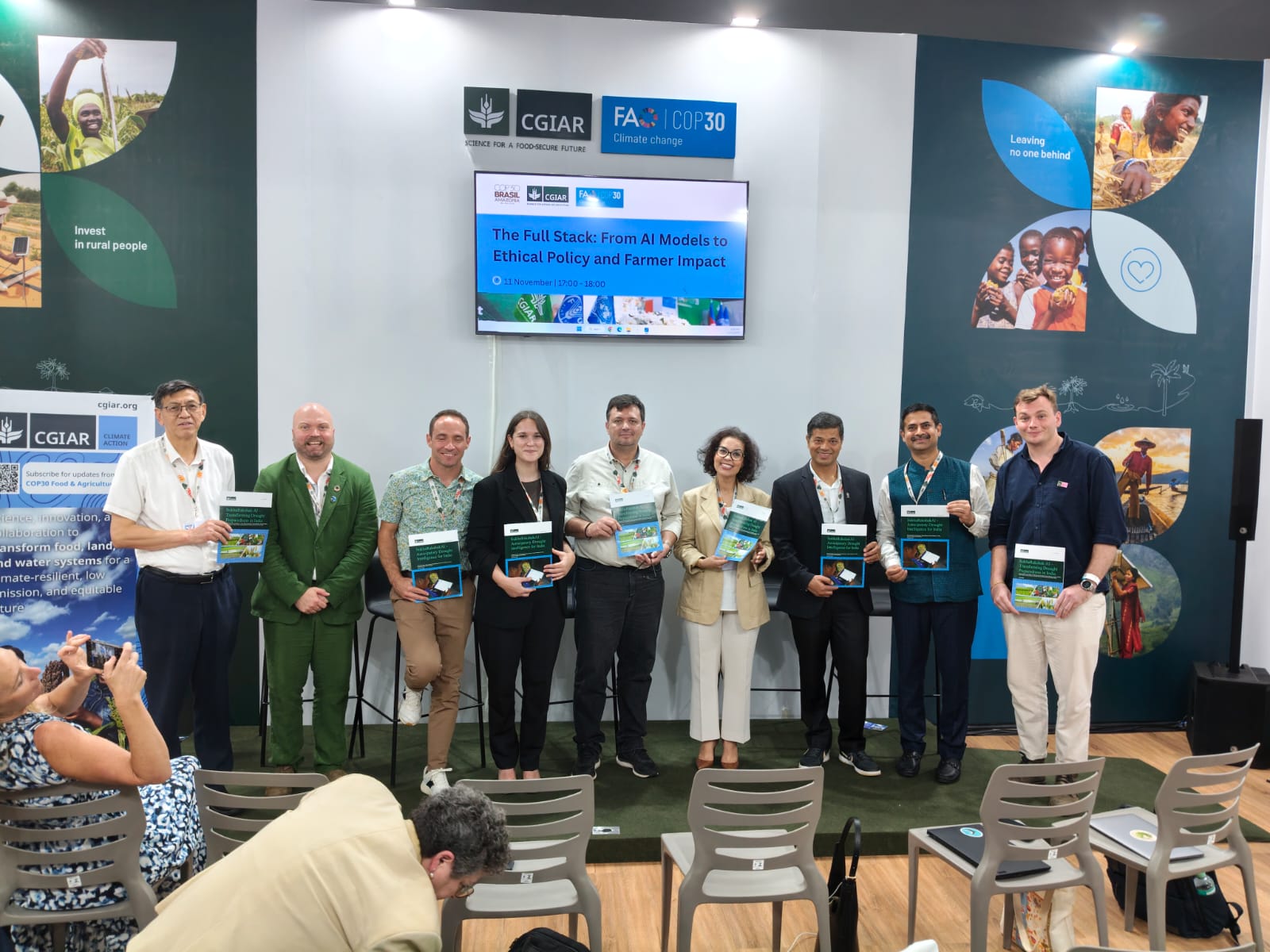
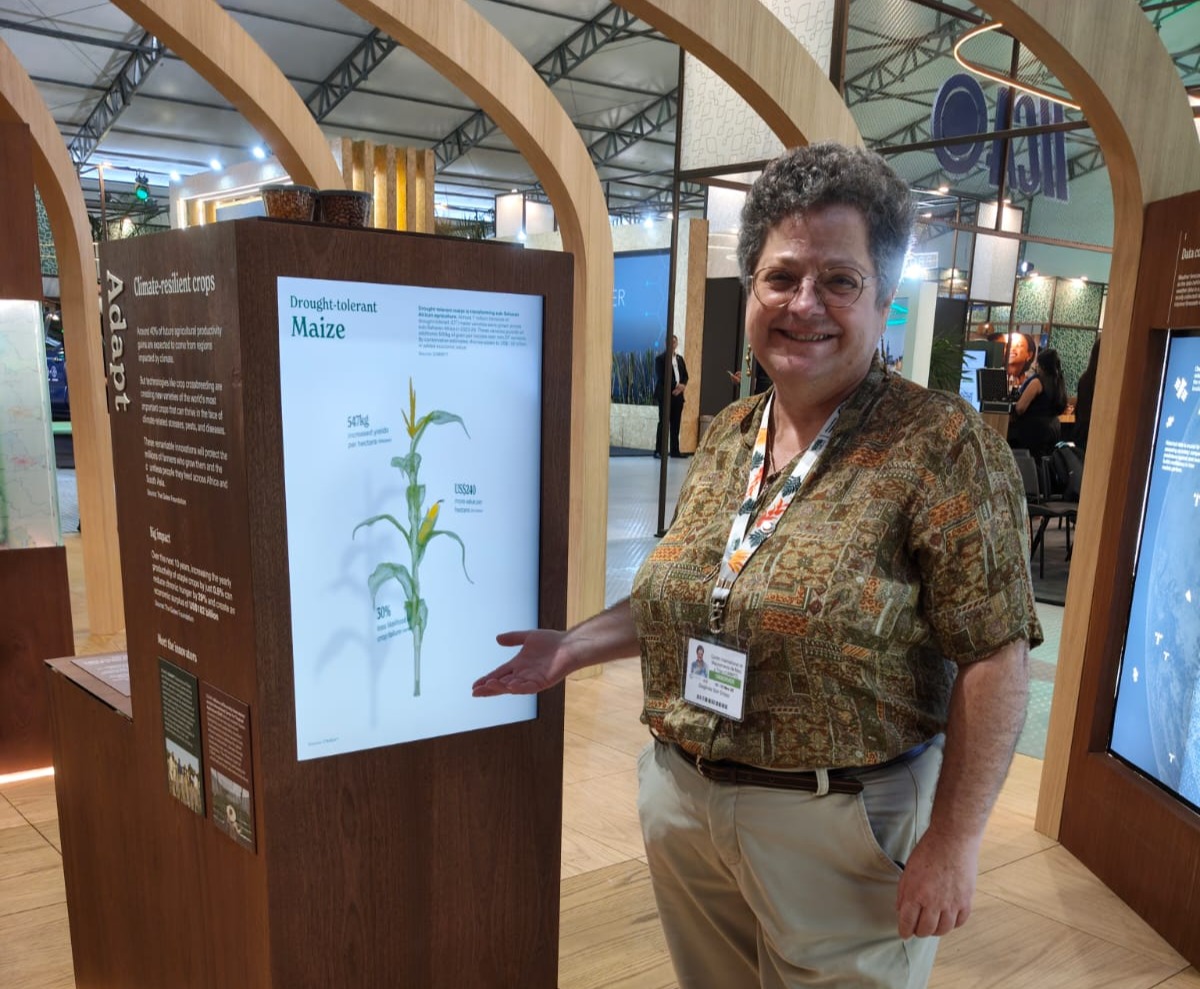
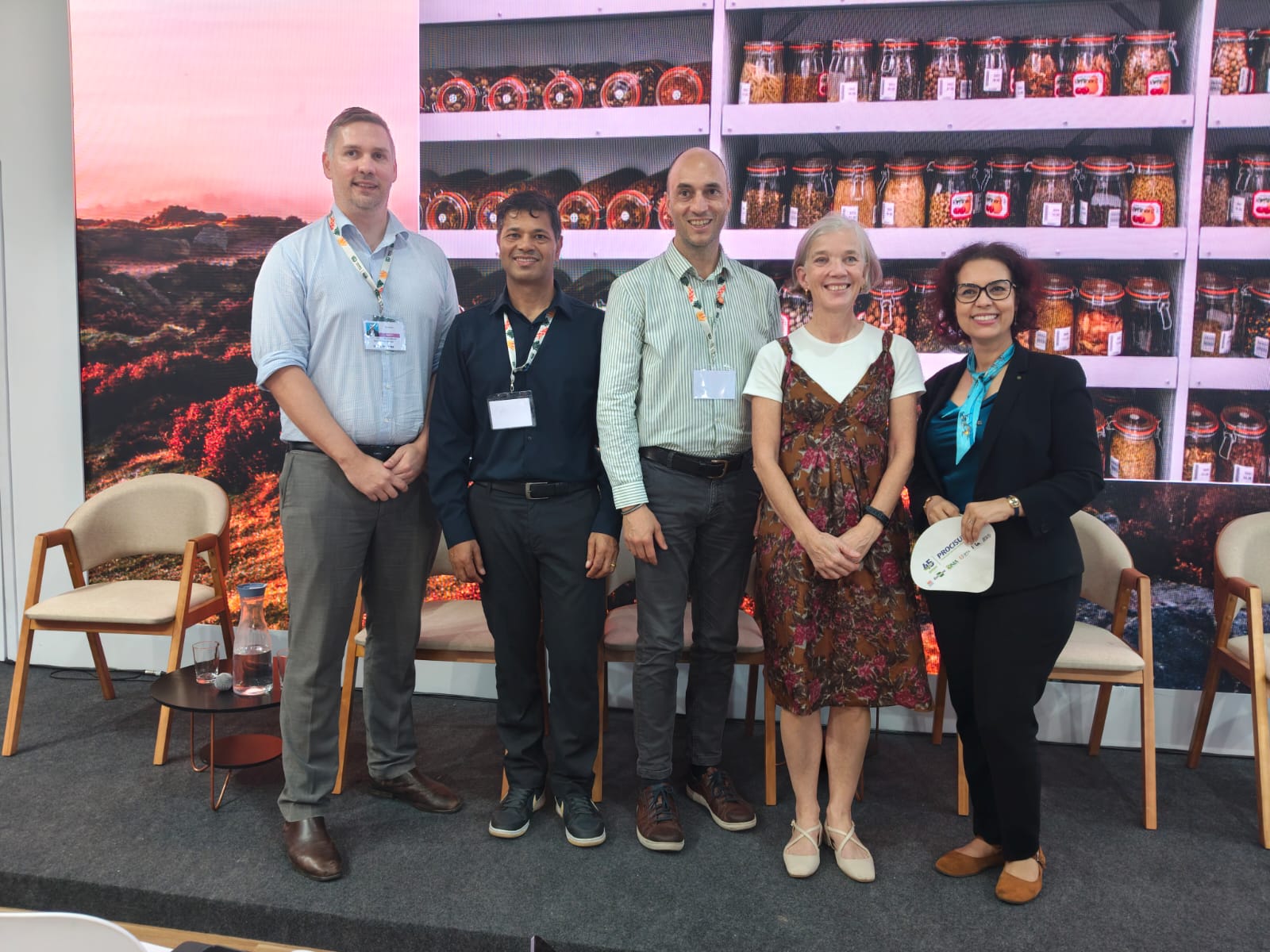
In this renewed landscape, CIMMYT presented the results of its global work and the innovations it promotes alongside international partners, demonstrating how applied science and territorial collaboration strengthen climate resilience from the ground up. The organization participated in high-level sessions and specialized panels at the CGIAR–FAO Agriculture and Food Pavilion, a space bringing together institutions and actors from various regions to advance evidence based solutions. There, CIMMYT shared experiences related to agricultural adaptation, digital advisory services, sustainable nitrogen management, and soil health, emphasizing the importance of partnerships that emerge from dialogue with territories and food producing communities. This presence was complemented by participation in the Gates Foundation’s Innovation Showcase, where the organization presented innovations designed to respond to escalating climate pressures on agrifood systems.
The conference moved toward key commitments to accelerate climate action: tripling adaptation finance before 2035; launching the Global Implementation Accelerator and the Belém Mission to uphold the 1.5 °C target; strengthening the Global Goal on Adaptation; and advancing just transitions. These decisions included a decisive message: before 2027, food systems must become an explicit part of Nationally Determined Contributions (NDCs) —the commitments each country submits under the Paris Agreement to reduce emissions and increase resilience.
Within this framework, CIMMYT highlighted its work with rural communities through locally led approaches and farmer centered innovation platforms. Tools such as Agrotutor, community based collaborative data systems, and agroclimatic analytics help transform technical information into practical decisions to face increasingly severe climate variability. These solutions show how science can serve those who produce food, strengthening adaptive capacity in vulnerable territories.
The transition toward low emission models also played a central role. CIMMYT presented advances in efficient nitrogen management, conservation agriculture, and regenerative practices that reduce emissions without compromising productivity. In this integrated vision, soil emerged as a fundamental axis. It is where nutrients are captured, carbon is stored, and agricultural resilience is sustained. In this context, intelligent nitrogen management stands out as one of the most important scientific frontiers for achieving sustainable agrifood systems.
Among the innovations presented, CropSustaiN stood out for its potential to transform nitrogen management in agriculture. The initiative incorporates biological nitrification inhibition (BNI), a natural process through which certain plants regulate soil nitrification, reducing losses and emissions. This strategy opens the door to developing wheat varieties that thrive with fewer inputs, benefiting both farmers and the environment.
COP30 also underscored the importance of seed banks, germplasm banks, and seed systems as essential pillars for climate resilience and biodiversity conservation. Together with other international centers, CIMMYT promotes an approach that integrates long term conservation with mechanisms that enable diversity to flow into territories and return enriched through local adaptation.
Within this context, the strategic role of CIMMYT in developing, safeguarding, and distributing seeds through its Germplasm Bank —which contributes to more than eighty countries— was recognized as a fundamental source of resilience. Nearly seventy percent of the wheat and more than half of the maize grown worldwide originate from materials developed by the organization, reinforcing its leadership in providing genetic diversity and in strengthening seed systems that combine formal conservation, community seed banks, and in situ management practices. This integration enhances the capacity of farming communities to cope with climate variability and safeguard the biodiversity that sustains their livelihoods.
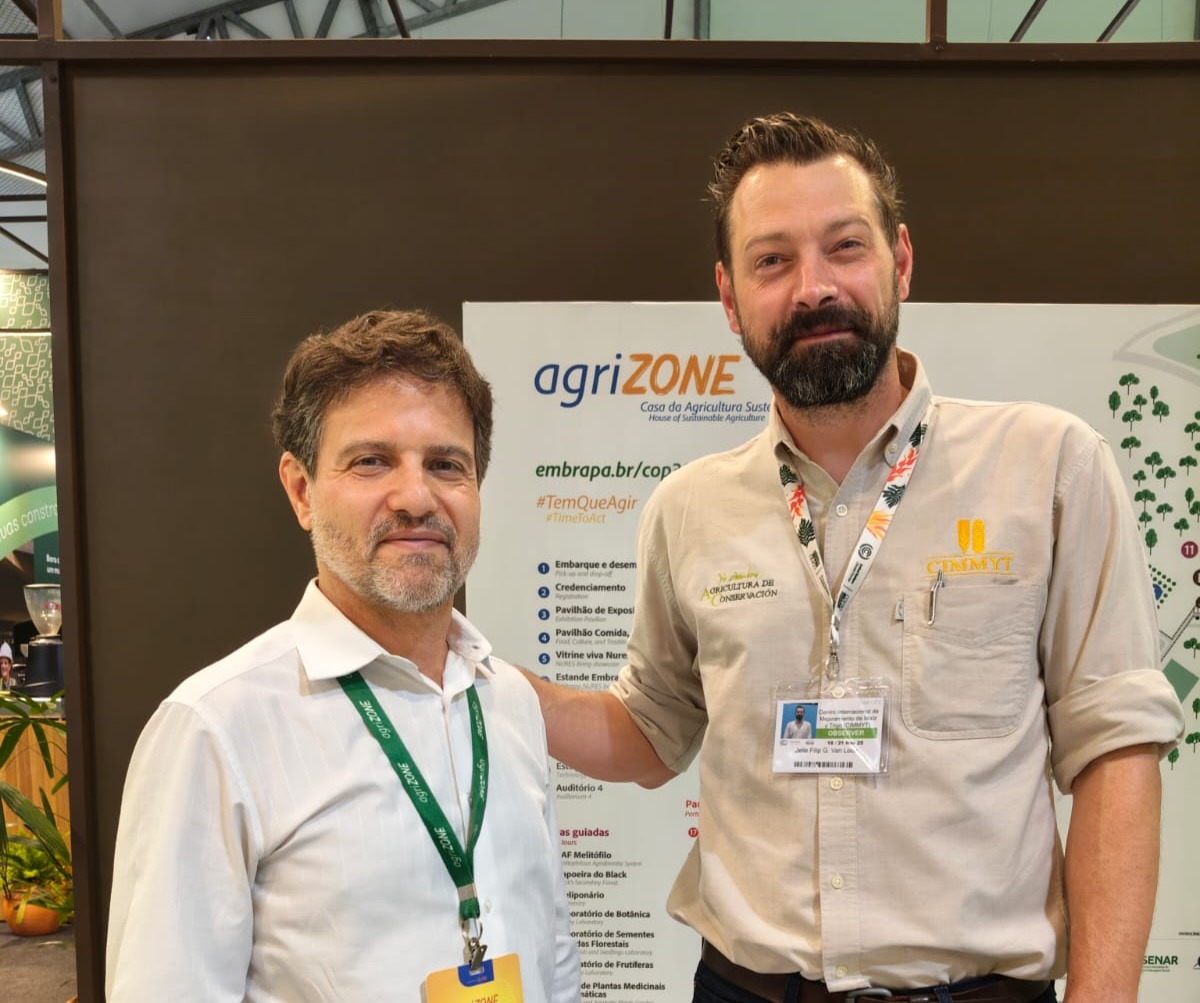
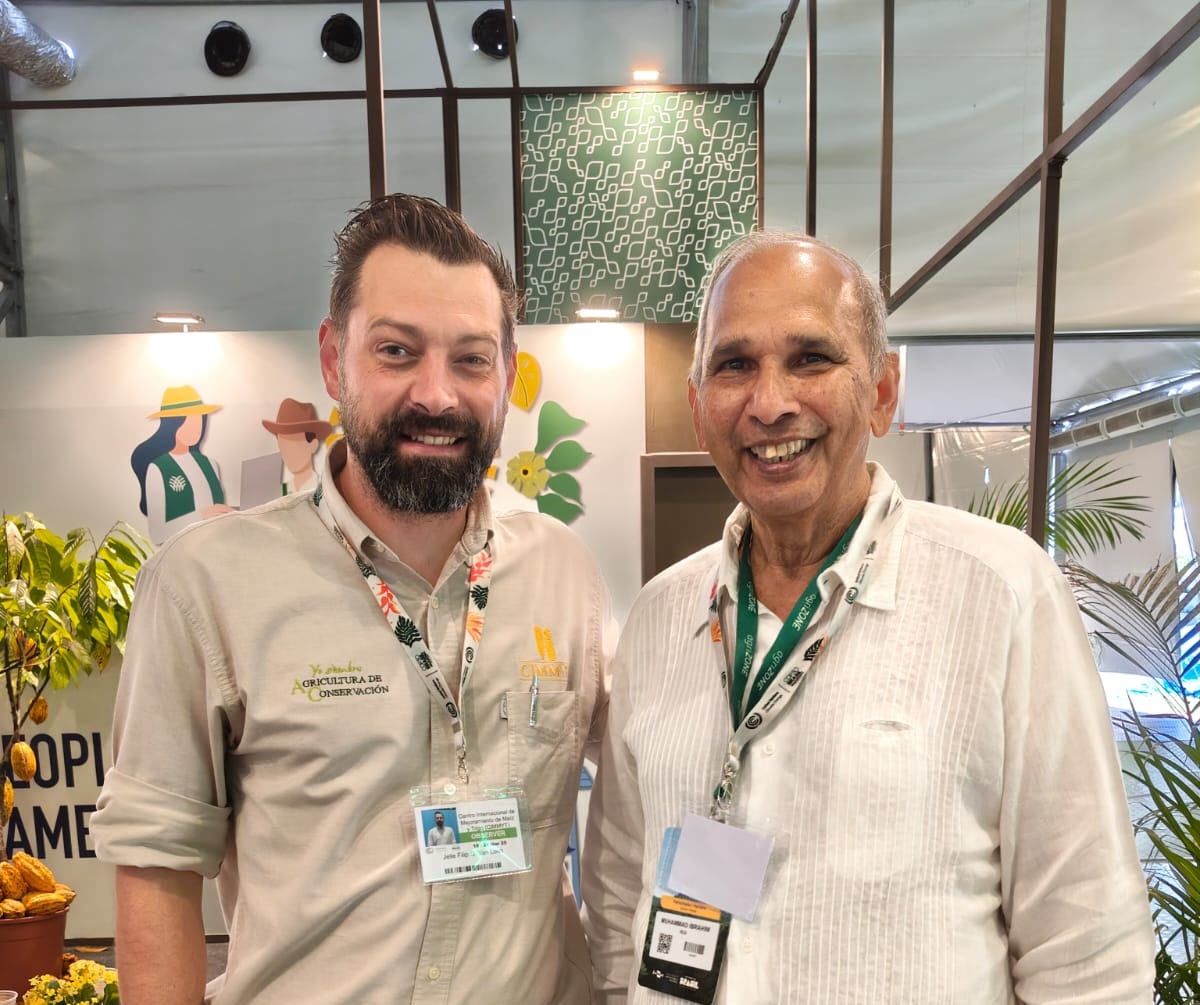
During the conference, CIMMYT held meetings with institutions such as IICA and EMBRAPA, as well as global organizations like the Coalition of Action for Soil Health and Food Tank, along with its CGIAR partners. In these exchanges, a shared vision was reaffirmed: science must serve those who produce food, and the sustainable transformation of agrifood systems requires genuine collaboration, community participation, and collective action toward a climate smart and socially just transition.
COP30 confirmed that agriculture is indispensable for climate action. Territories demand concrete responses, food producing communities seek to be heard, and science offers alternatives capable of strengthening resilience and reducing emissions. At this convergence, CIMMYT reaffirms its commitment to delivering useful and accessible innovations, deepening collaborations, and advancing science oriented toward action. Together with farmers, public institutions, Indigenous organizations, and global partners, we work to build agrifood systems capable of sustaining —and sustaining us— on an increasingly challenging planet.
 Nutrition, health and food security