Environmental health and biodiversity
The world needs better management of water, soil, nutrients, and biodiversity in crop, livestock, and fisheries systems, coupled with higher-order landscape considerations as well as circular economy and agroecological approaches.
CIMMYT and CGIAR use modern digital tools to bring together state-of-the-art Earth system observation and big data analysis to inform co-design of global solutions and national policies.
Our maize and wheat genebanks preserve the legacy of biodiversity, while breeders and researchers look at ways to reduce the environmental footprint of agriculture.
Ultimately, our work helps stay within planetary boundaries and limit water use, nutrient use, pollution, undesirable land use change, and biodiversity loss.
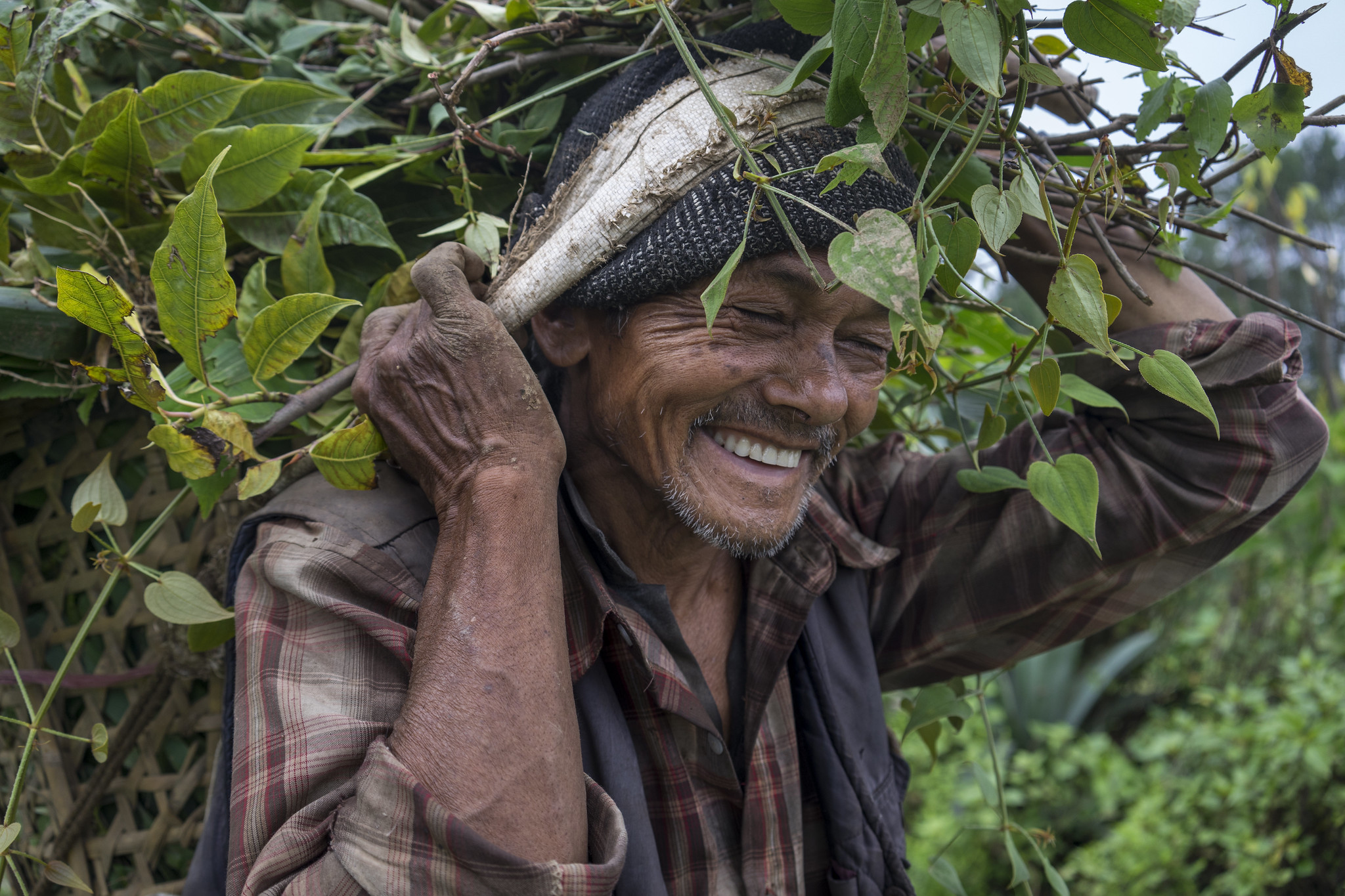
A Global Public Good: The Quiet Science Sustaining the World’s Food Supply
 Climate adaptation and mitigation
As climate change and declining public investment strain global food systems, institutions like CIMMYT play a critical role in sustaining agriculture worldwide
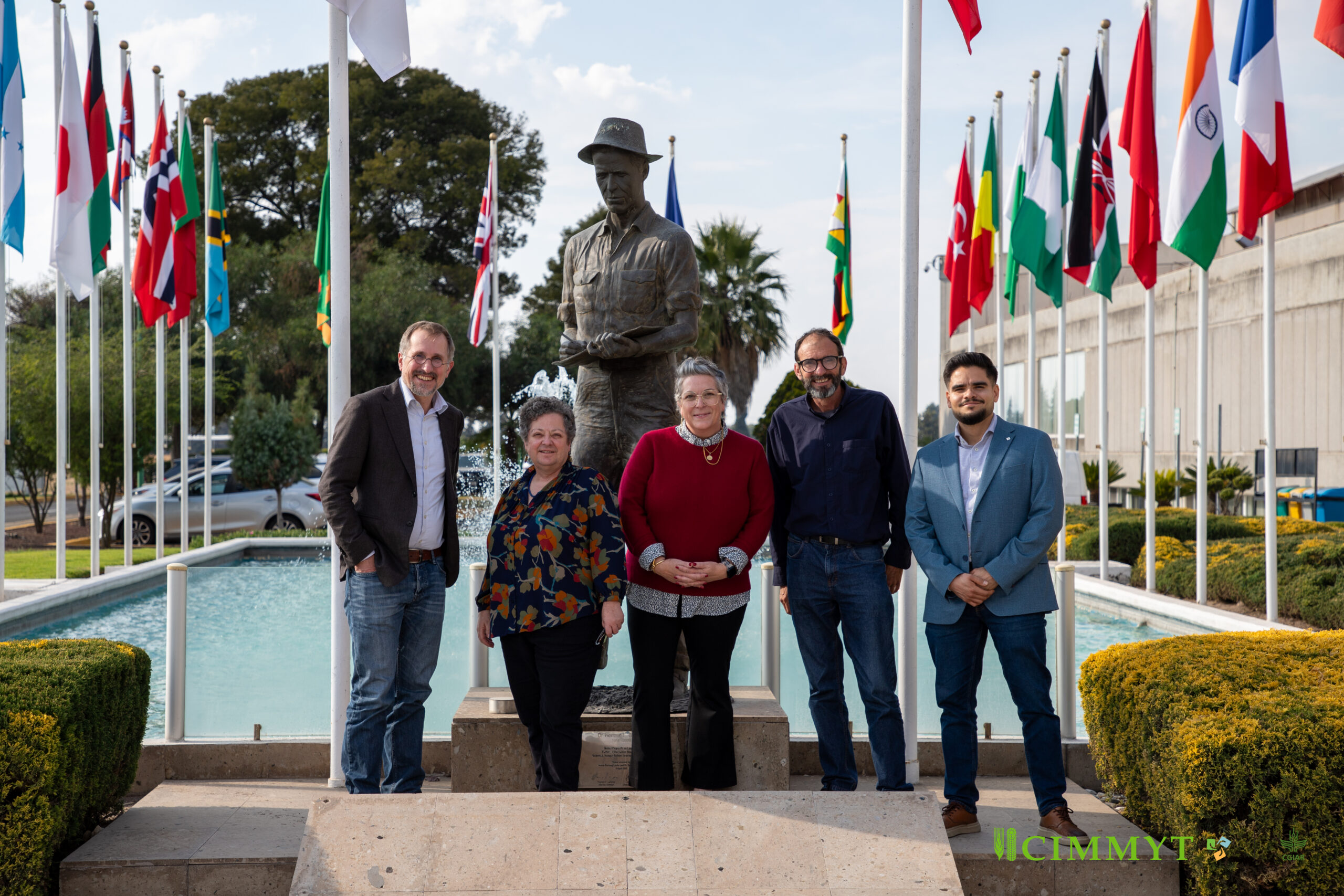
CIMMYT Hosts Launch of the 2025 EAT-Lancet Commission Report
Environmental health and biodiversity
CIMMYT hosted the global launch of the 2025 EAT-Lancet Commission Report, convening leading scientists and partners to advance evidence-based pathways toward healthy, sustainable, and just food systems.
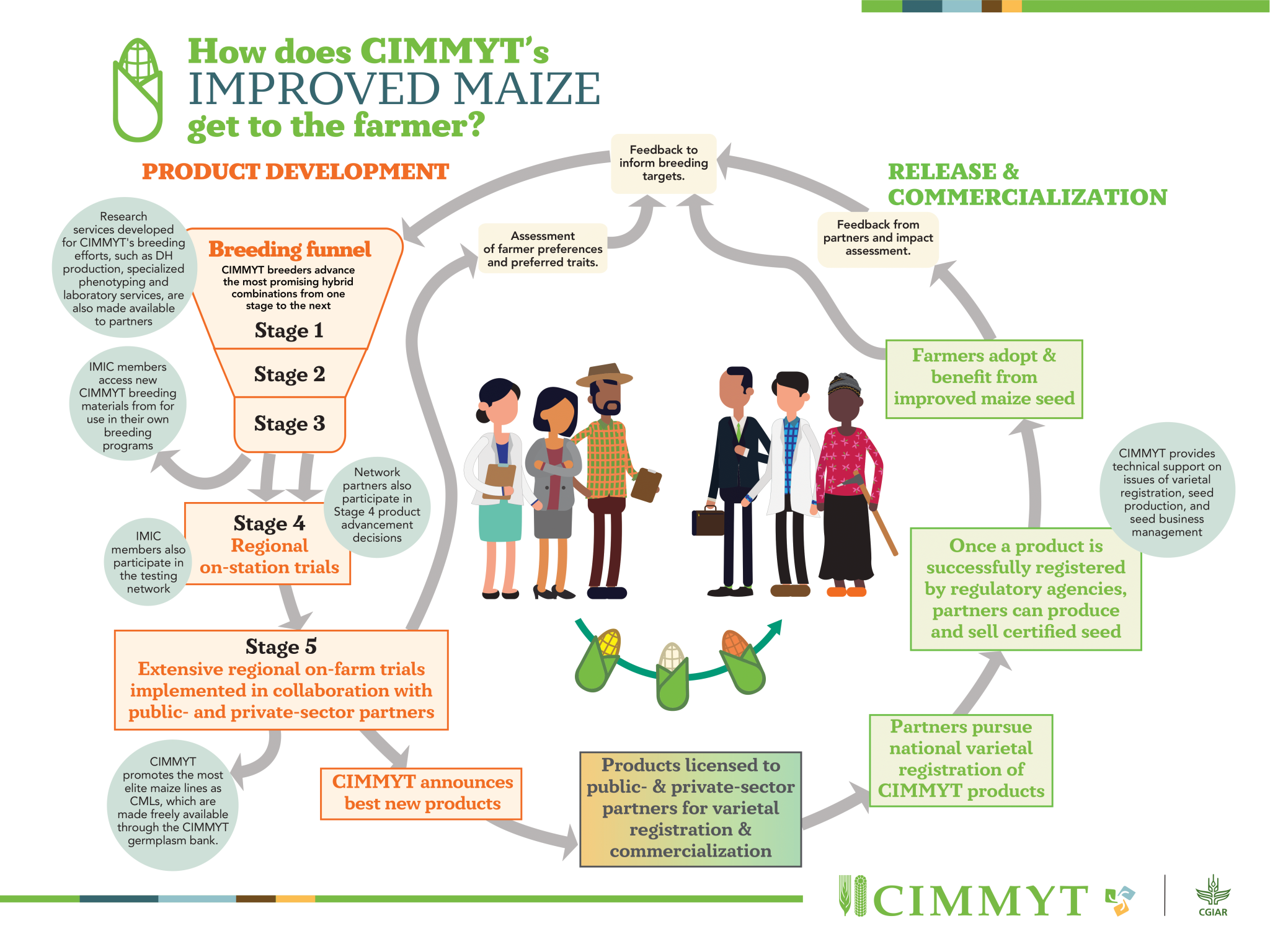
Eight New CIMMYT maize hybrids available from Southern Africa Breeding Program
Climate adaptation and mitigation
CIMMYT unveils eight new tropical maize hybrids for uptake by partners targeting Southern Africa and similar regions
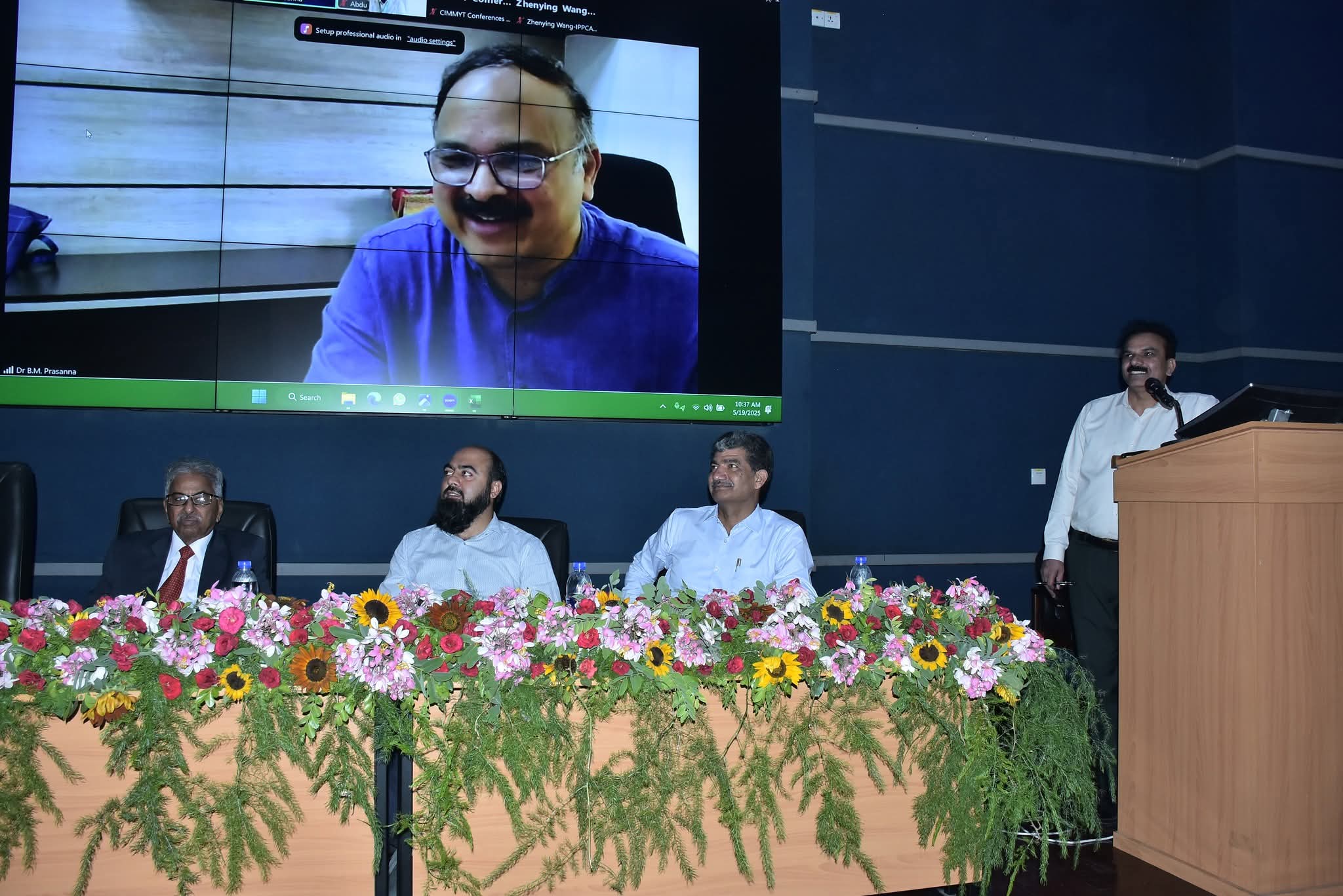
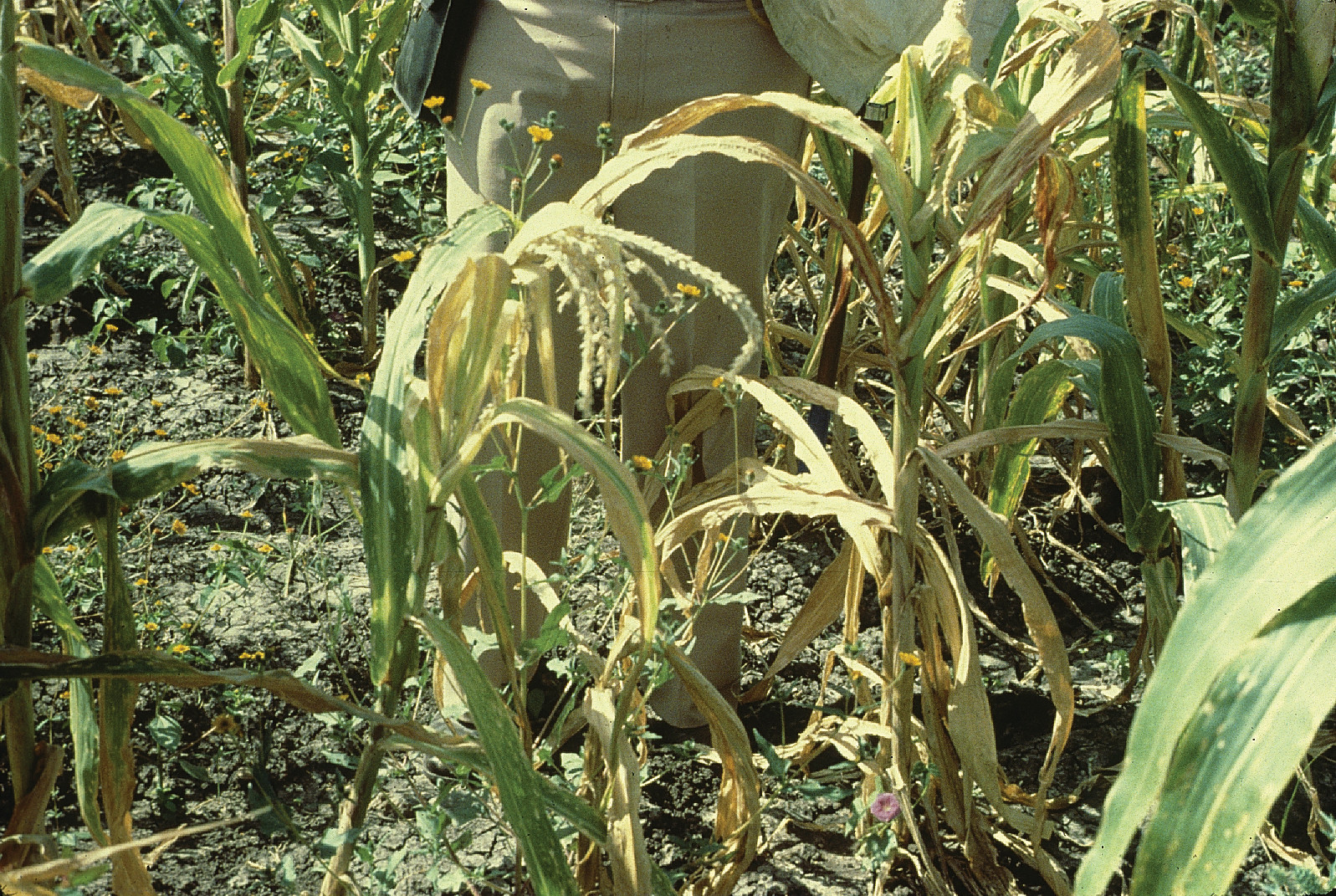
How Africa Stopped MLN—A Continental Victory Built on Science, Surveillance, and Clean Seed Systems
Climate adaptation and mitigation
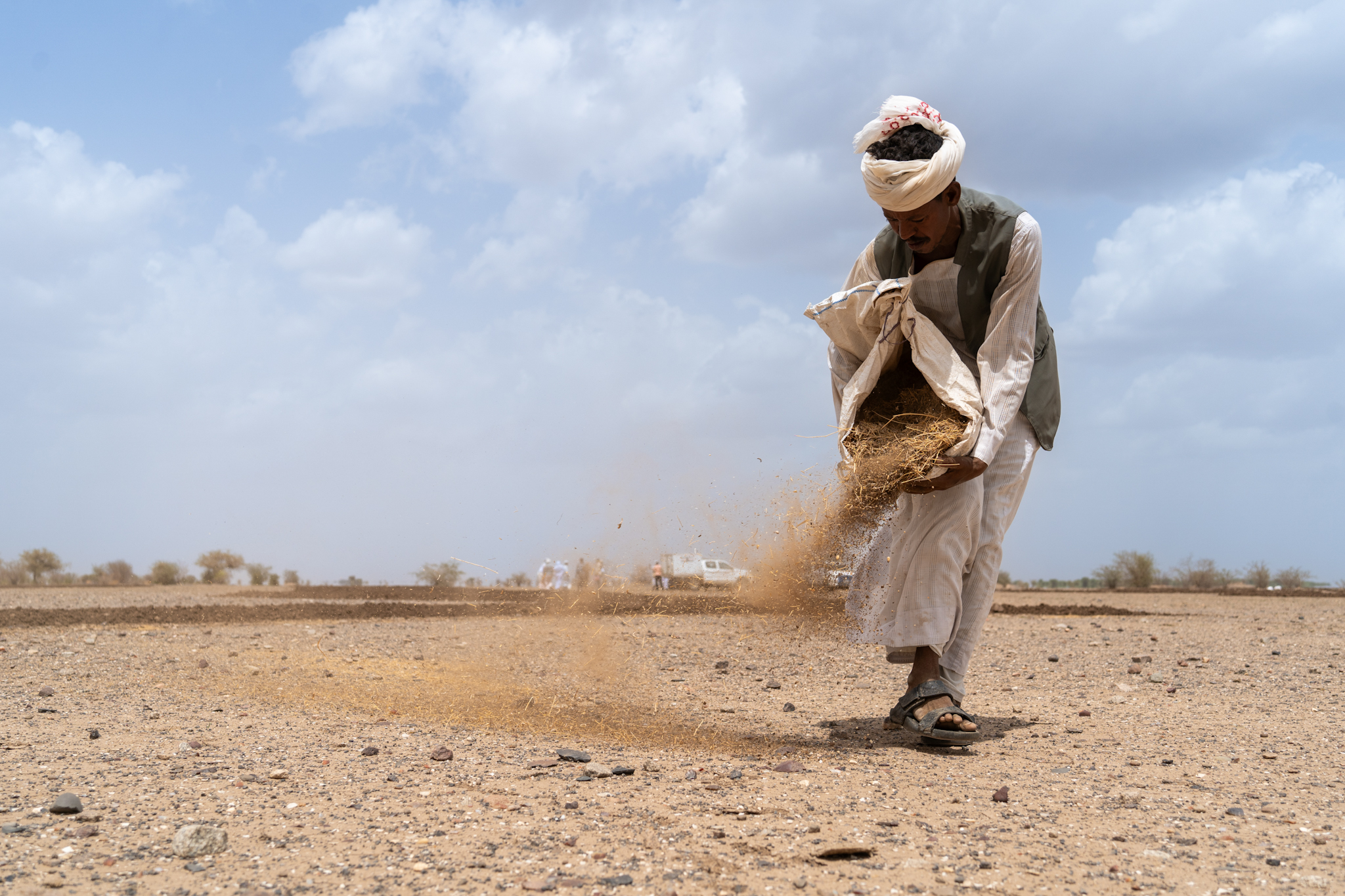
Sustain Africa Supports Fertilizer Deliveries for Agricultural Recovery in Sudan
Climate adaptation and mitigation
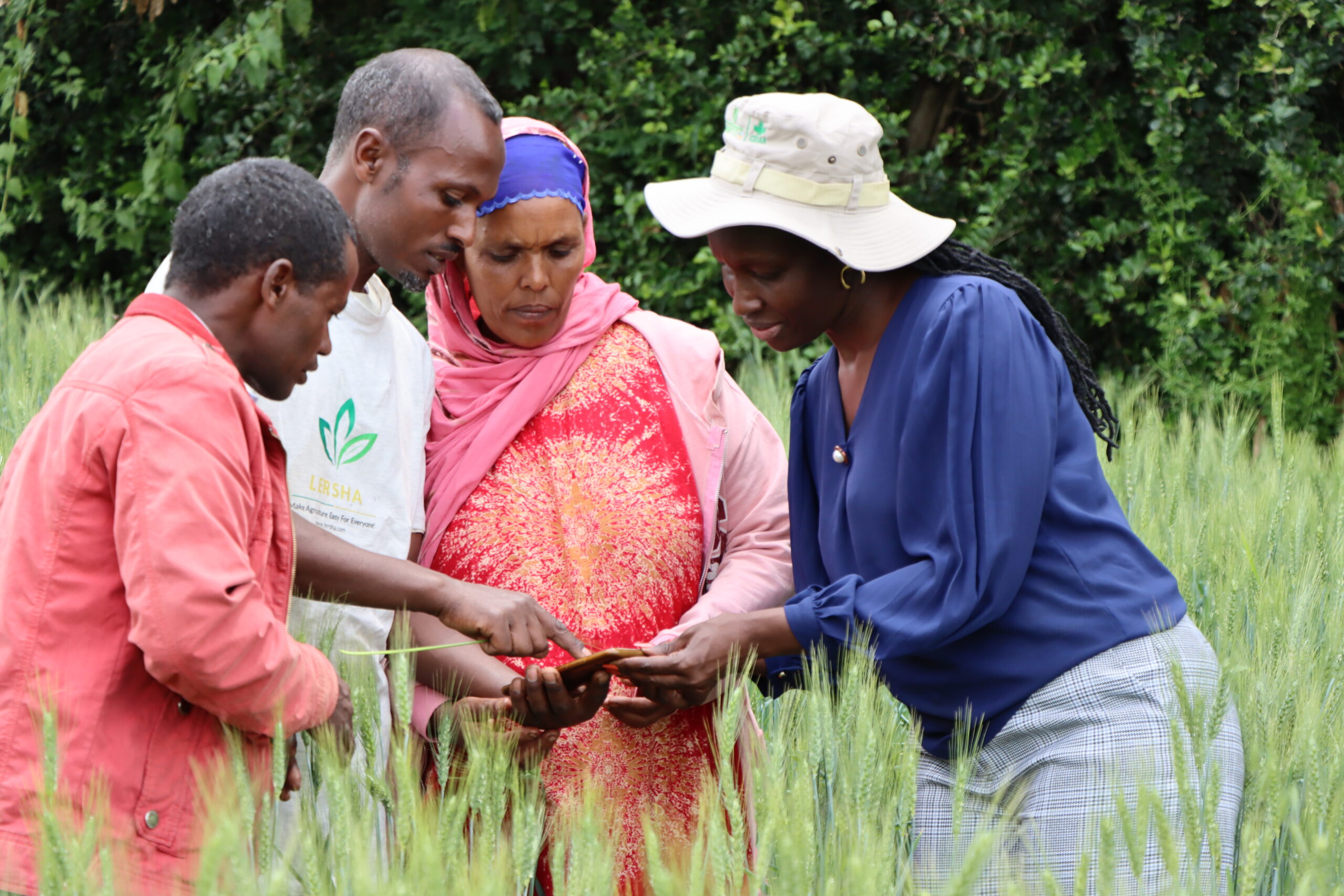
Leveraging Digital Advisory Platforms to build climate-resilient wheat farming systems in Ethiopia
Capacity development
Digital climate advisories are helping Ethiopia’s wheat farmers anticipate climate risks, improve yields, and build resilience in the face of growing climate uncertainty.

Regenerating Soil, Securing Tomorrow
Climate adaptation and mitigation
Soil health is a pressing global priority, and restoring its vitality through science and regenerative practices is essential to sustain food systems and strengthen rural resilience
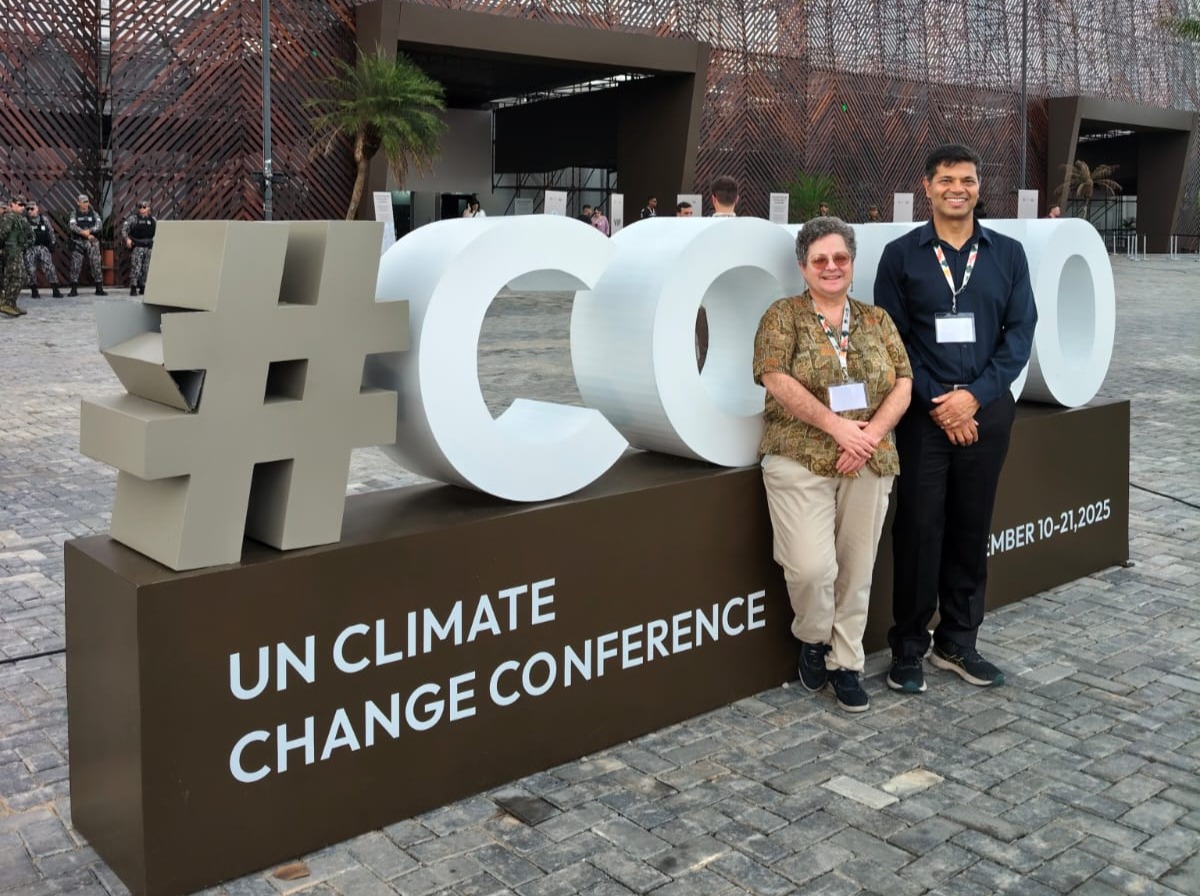
COP30 places agriculture at the center of climate action
Climate adaptation and mitigation
CIMMYT emphasized agriculture as central to climate action at COP30, bringing evidence, innovation, and strong partnerships from the Amazon to advance resilient and sustainable agrifood systems

Ensure safeguards for India’s carbon market
Climate adaptation and mitigation
Source: The Hindu ()
As India builds its carbon market, the lessons from global failures show why protecting farmers and communities must come first
Damania awarded Meyer Medal for conserving grain genetics
Environmental health and biodiversity
Source: UC Davis ()
Ardeshir Damania’s rescue of the world’s wheat seeds, now preserved at CIMMYT, safeguards biodiversity and strengthens global food security
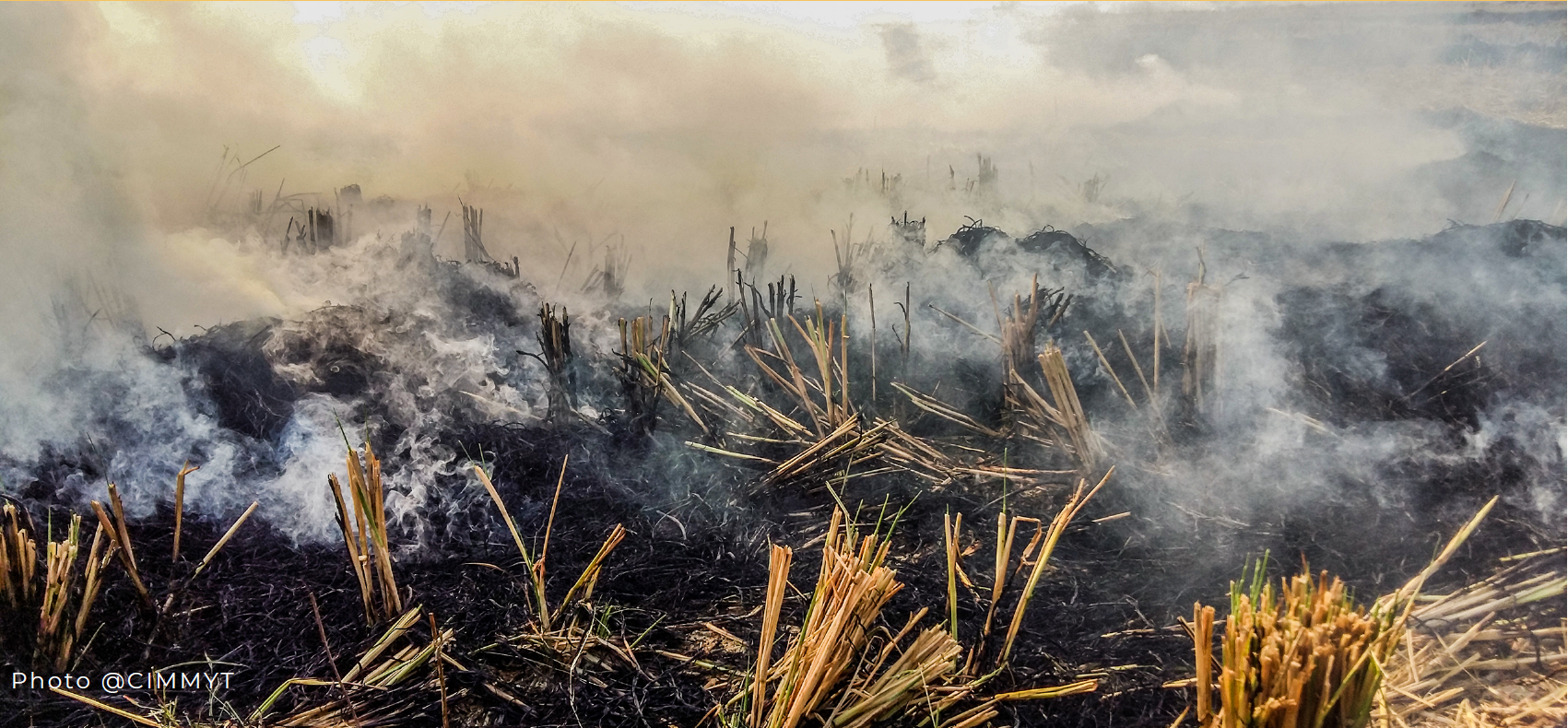
Agrobiodiversity Impacts Matter in Crop Residue Management Policies
Climate adaptation and mitigation
Residue burning isn’t just an emissions issue—it’s an ecological crisis undermining biodiversity, soil health, and future farm resilience, as CIMMYT’s latest global review makes clear
Tips for diversifying crops and improving the functionality of agricultural systems
Climate adaptation and mitigation
Diversifying cover crops and legumes enhances the functionality of agricultural systems by strengthening the soil, reducing pest pressure, and increasing climate resilience

Fungal Resistance in Wheat: Biodiversity & Food Security
Environmental health and biodiversity
Source: Time News ()
Researchers identified rust-resistant genes in traditional wheat, aided by CIMMYT’s biodiversity efforts
Positioning Soil Health on the Agenda: Bridging Science, Policy and Advocacy
Climate adaptation and mitigation
Source: Coalition fo Action 4 Soil Health ()
CIMMYT, as co-leader of the VACS initiative, is driving global efforts to scale soil health solutions by linking science, policy, and climate-resilient agriculture