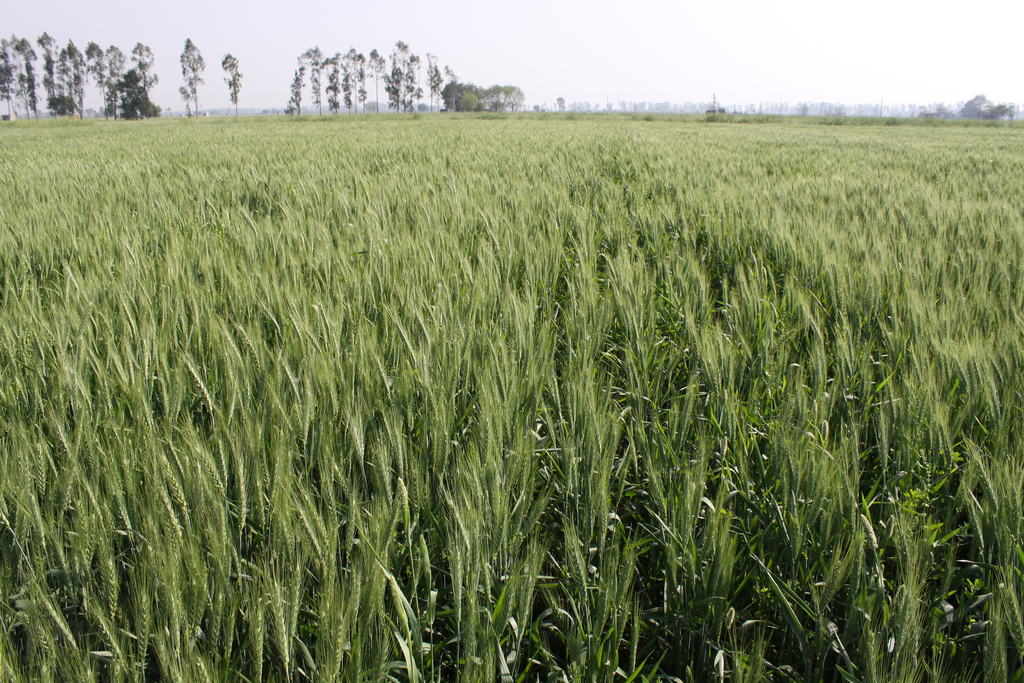
The world’s food system is under growing strain. Farmers across continents are contending with depleted soils, fast-evolving crop diseases and increasingly unpredictable weather, all intensified by climate change. At the same time, public investment in agricultural research, the slow, cumulative work that underpins stable harvests, has faltered in many high-income countries, a trend recently documented in reporting by The New York Times.
These pressures arrive as global demand for food continues to rise and as farming systems are asked to do more with fewer resources. Crops that once thrived under stable conditions are now exposed to heat waves, prolonged droughts and unfamiliar pests. Livestock systems face similar stress. Yet the scientific work required to adapt agriculture to these realities rarely produces immediate results, or headlines.
The consequences of those pressures are not immediate or dramatic. They unfold gradually, across seasons and decades, shaping what farmers are able to grow, how much food reaches markets, and how vulnerable entire regions become to shocks. When research slows or stops, the effects may not be felt until years later, when yields stagnate, diseases spread unchecked or food prices rise.
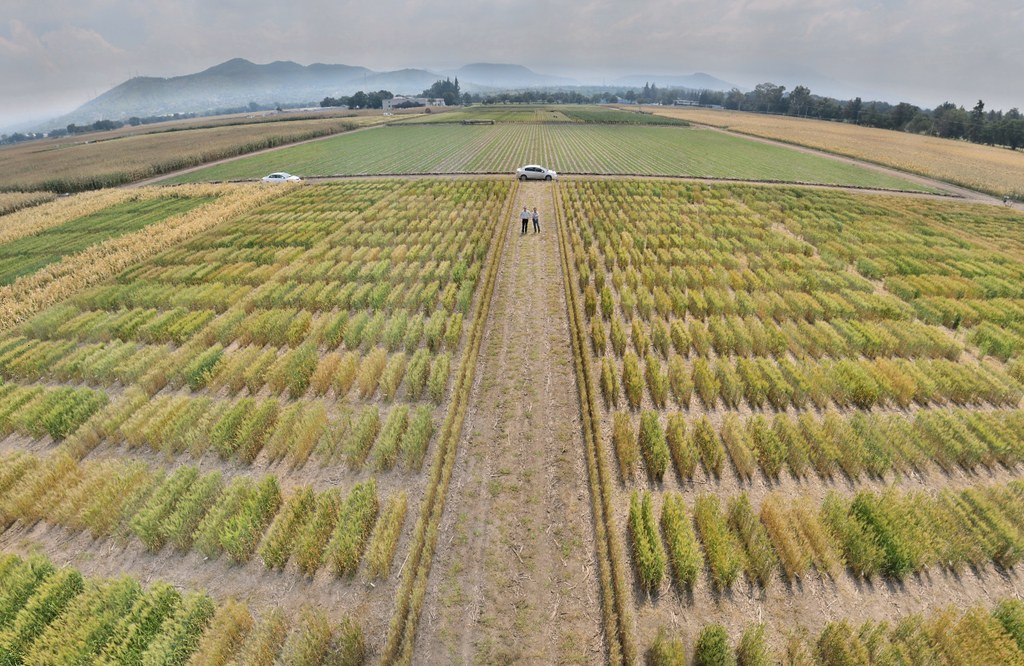
Behind much of the science that has helped avert those outcomes stands a small number of institutions whose work rarely draws attention. Among them is CIMMYT, one of several international research centers highlighted in The New York Times’ recent examination of declining support for global agricultural science.
Founded more than 80 years ago in Mexico through an early partnership between the United States, Mexico and private philanthropies, CIMMYT was created to address a shared challenge: how to improve the crops that feed much of the world’s population. From the outset, its mission was global and collaborative, to generate open, publicly available science that farmers anywhere could benefit from.
That approach has shaped food systems worldwide. CIMMYT scientists breed crop varieties that can withstand drought, heat and disease; maintain one of the world’s most extensive seed banks of maize and wheat; and operate early-warning surveillance networks that detect emerging pests and pathogens before they become global threats. “If you have a crop disease suddenly appearing in one part of the world, everybody, including us, relies on CIMMYT to catch that early and to help work on remedies,” said Matthias Berninger, executive vice president at Bayer, the world’s largest supplier of seeds and agricultural chemicals.
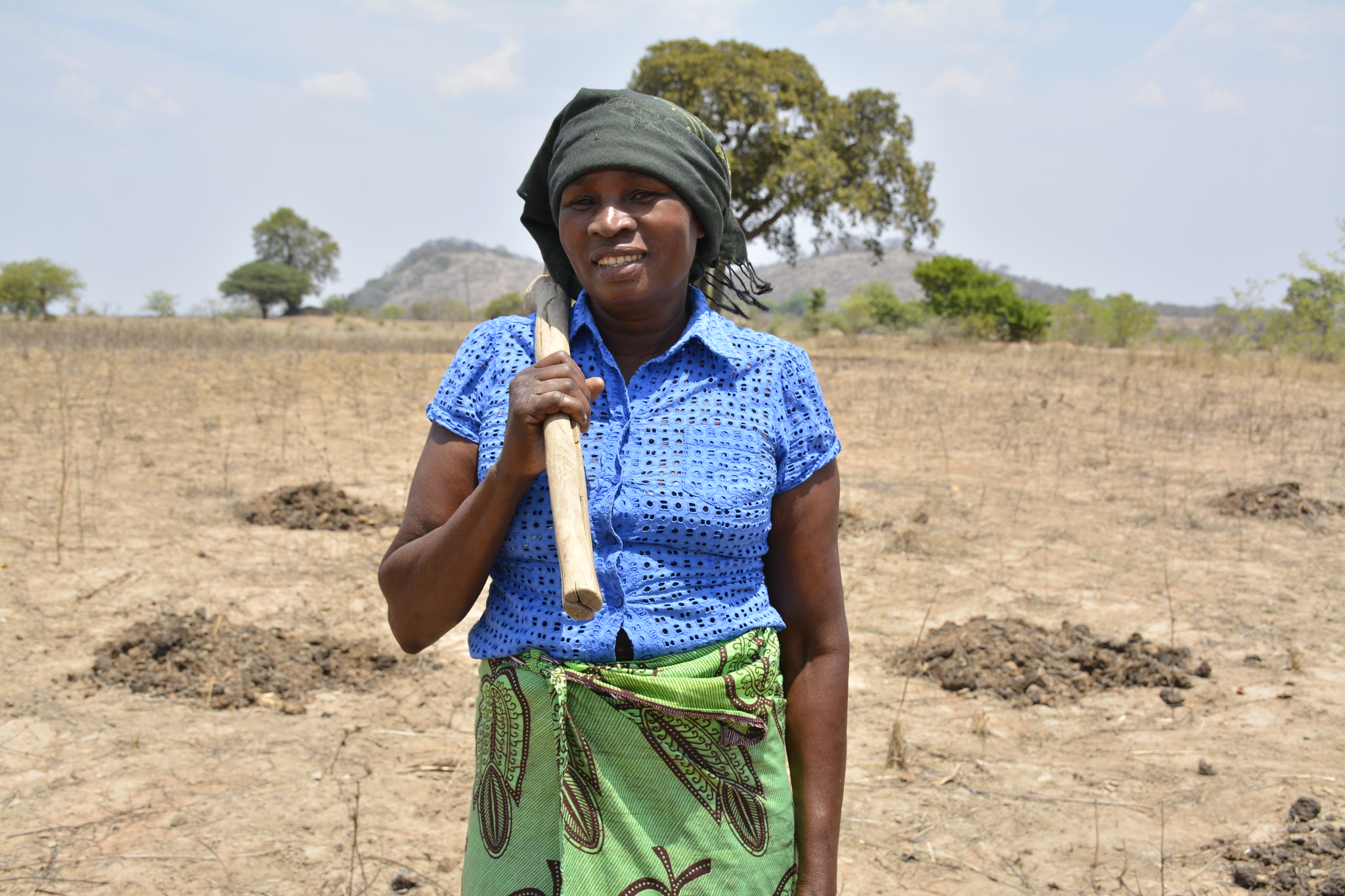
Our impact is measured in generations
The work is incremental, often invisible, and dependent on long-term commitment. Unlike many forms of innovation, agricultural research cannot be paused and restarted without consequence. A breeding program interrupted midway through development may represent years of lost progress. A discontinued field trial cannot simply be recreated.
Its impact, however, is substantial. Drought-tolerant maize varieties developed through CIMMYT-led programs have reached more than one billion people, particularly in regions where farming is most vulnerable to climate shocks. These varieties have helped stabilize harvests, raise incomes and improve food security not just for individual seasons, but across generations.
Although CIMMYT’s mandate is global, its benefits extend well beyond the countries where its research is conducted. In the United States, nearly 60 percent of wheat varieties contain genetic material developed through CIMMYT breeding lines. Early-warning systems for crop diseases, designed to identify threats abroad before they spread, help protect American farmers, consumers and food prices. For many people, those connections remain largely unseen, even as they shape the resilience of the food supply.
CIMMYT operates as a global public good. Its research is open and shared, carried out in collaboration with national research institutions, universities, private companies and farming communities across Africa, Asia, Europe and the Americas. Unlike commercial research, much of its work focuses on crops, regions and farmers that are unlikely to attract private investment but are essential to global food security.
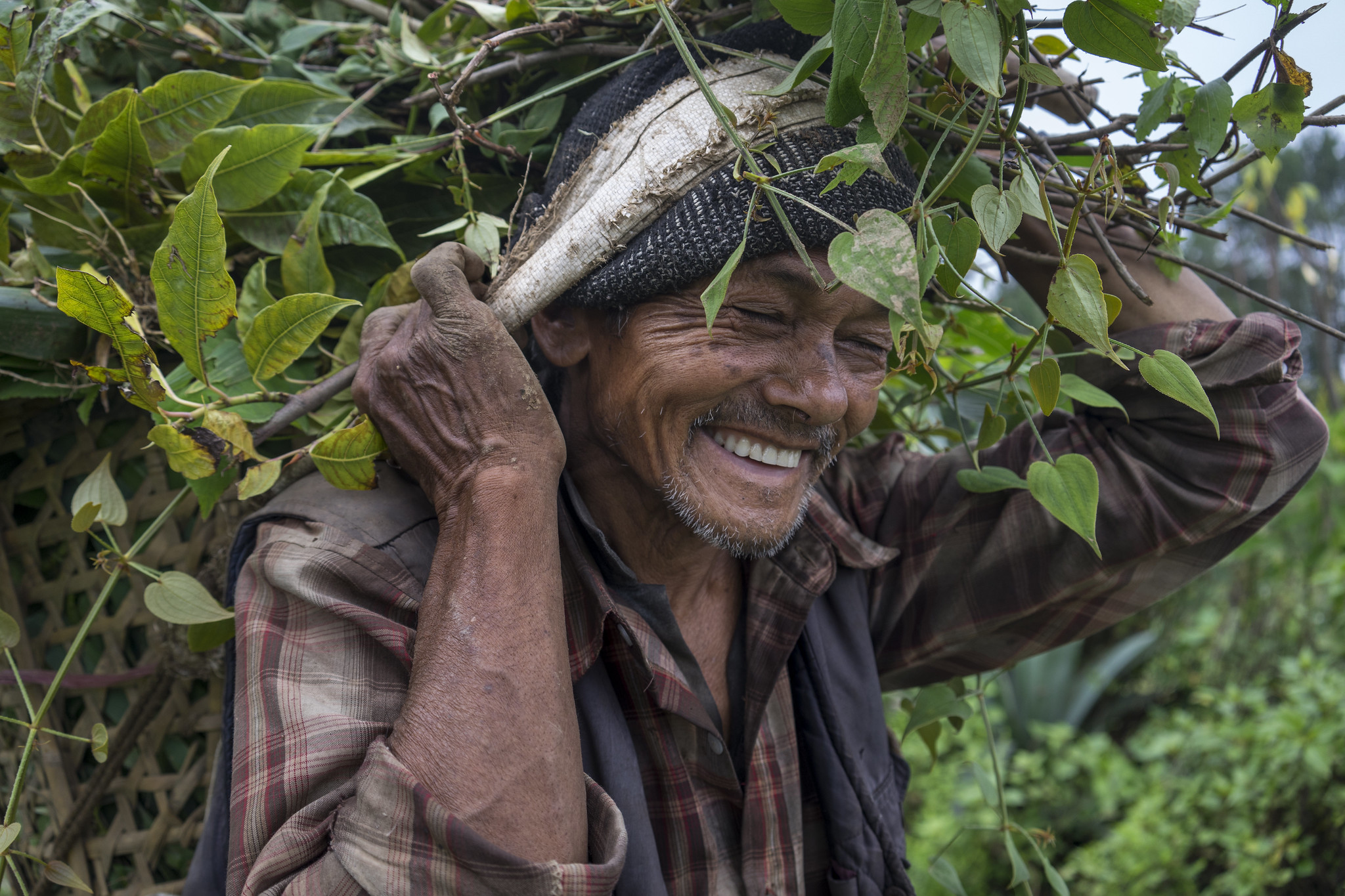
Today, that model is under pressure. Like much of the international agricultural research system, described in recent New York Times reporting, CIMMYT is navigating a challenging financial landscape as public funding has become less predictable. The organization is streamlining operations and diversifying funding sources to protect its core scientific assets, including seed collections, long-term field experiments, disease surveillance networks, gene-editing research and open data platforms, that cannot be rebuilt once lost.
The stakes extend far beyond any single institution. Agricultural research delivers some of the highest returns of any public investment, but only over time. Decisions made today determine the productivity of farms, the affordability of food and the resilience of food systems decades from now.
As climate change accelerates and global demand for food continues to rise, the need for shared, long-term agricultural science has not diminished. CIMMYT’s mission remains what it has been for more than eight decades: to advance the science that helps farmers adapt, strengthens food systems and ensures that future generations, everywhere, have enough to eat.
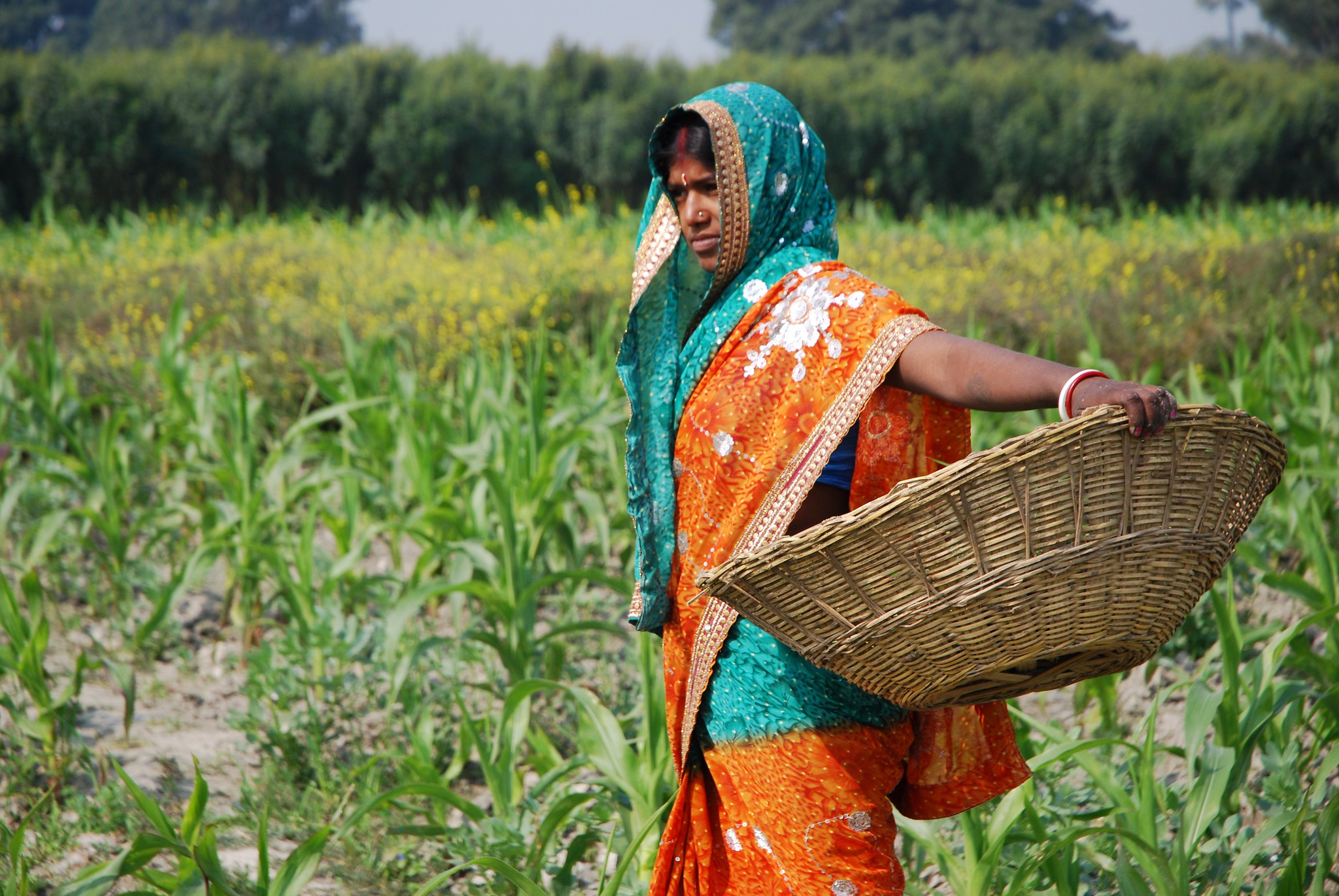
 Gender equality, youth and social inclusion