Africa
CIMMYT’s work in Africa helps farmers access new maize and wheat systems-based technologies, information and markets, raising incomes and enhancing crop resilience to drought and climate change. CIMMYT sets priorities in consultation with ministries of agriculture, seed companies, farming communities and other stakeholders in the maize and wheat value chains. Our activities in Africa are wide ranging and include: breeding maize for drought tolerance and low-fertility soils, and for resistance to insect pests, foliar diseases and parasitic weeds; sustainably intensifying production in maize- and wheat-based systems; and investigating opportunities to reduce micronutrient and protein malnutrition among women and young children.
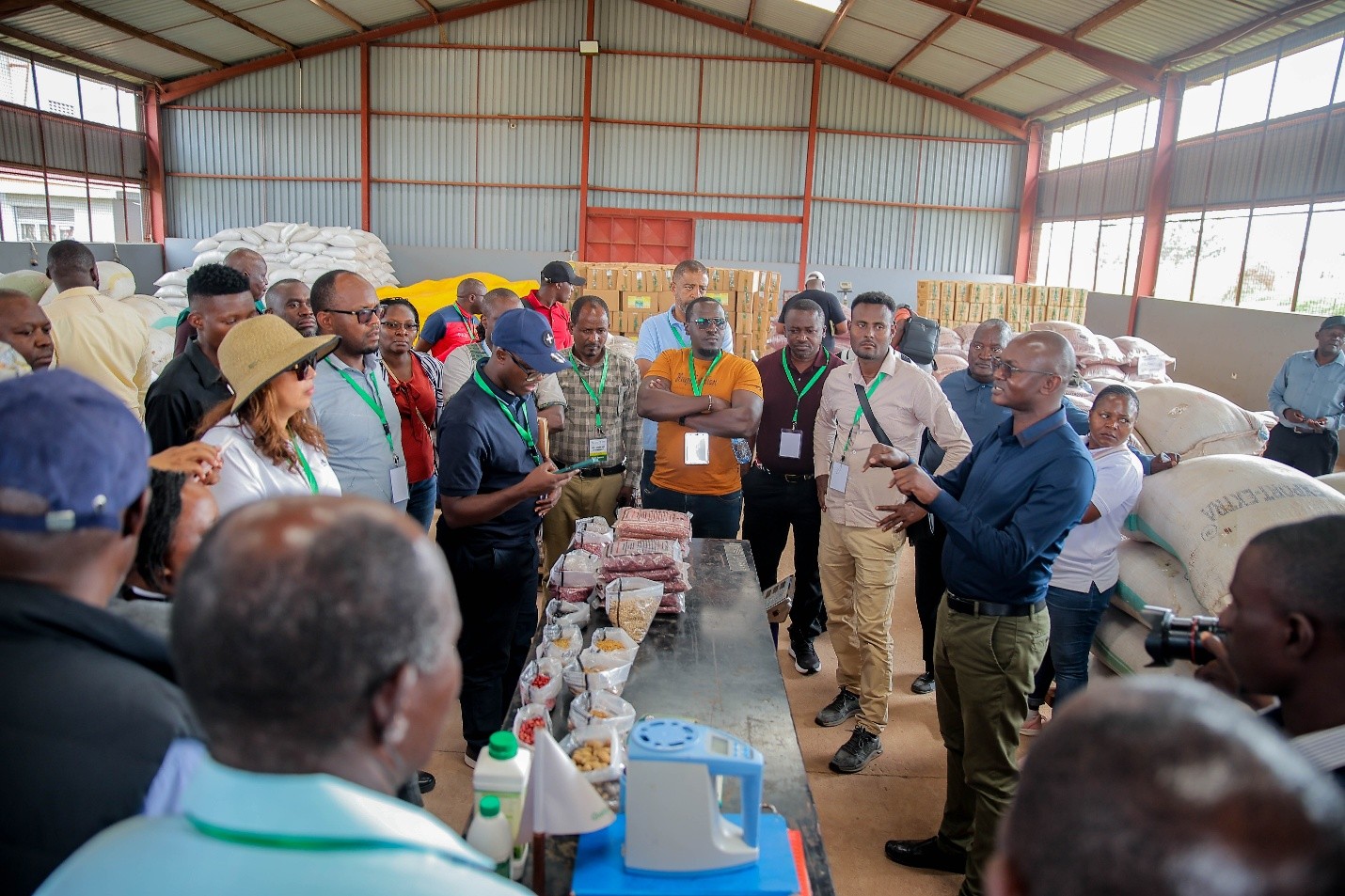
Seeding Change Together: CIMMYT Strengthens Collaboration for Africa’s Seed Systems
 Capacity development
In Kampala, Uganda, CIMMYT and partners joined forces to strengthen resilient, farmer-centered seed systems across Africa

Bright Horizons for Nutrition in Zimbabwe
Capacity development
Biofortified wheat varieties developed by CIMMYT are helping tackle hidden hunger in Zimbabwe by delivering higher zinc content, improved yields, and climate resilience directly through the seeds farmers grow and consume.
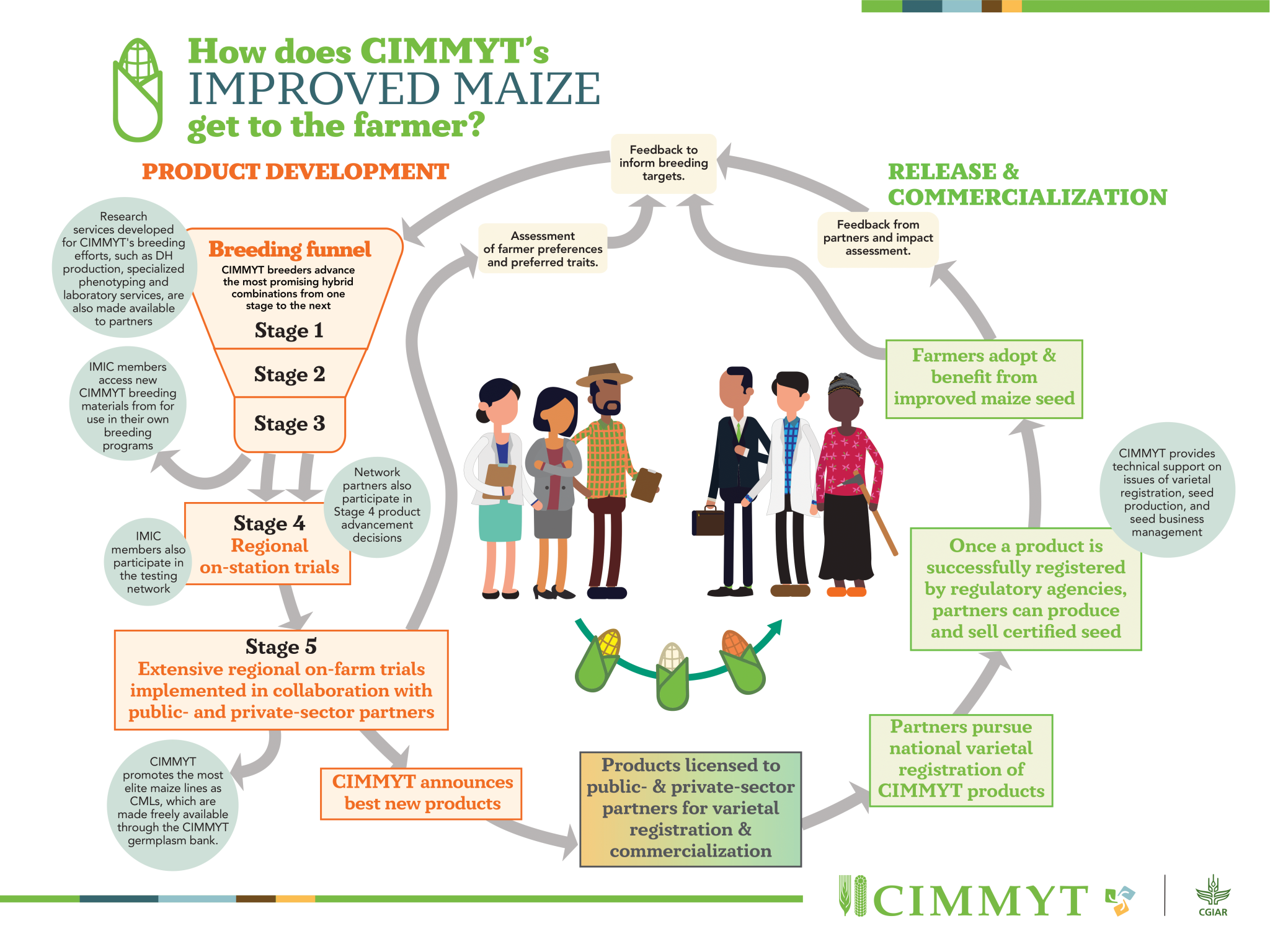
Eight New CIMMYT maize hybrids available from Southern Africa Breeding Program
Climate adaptation and mitigation
CIMMYT unveils eight new tropical maize hybrids for uptake by partners targeting Southern Africa and similar regions
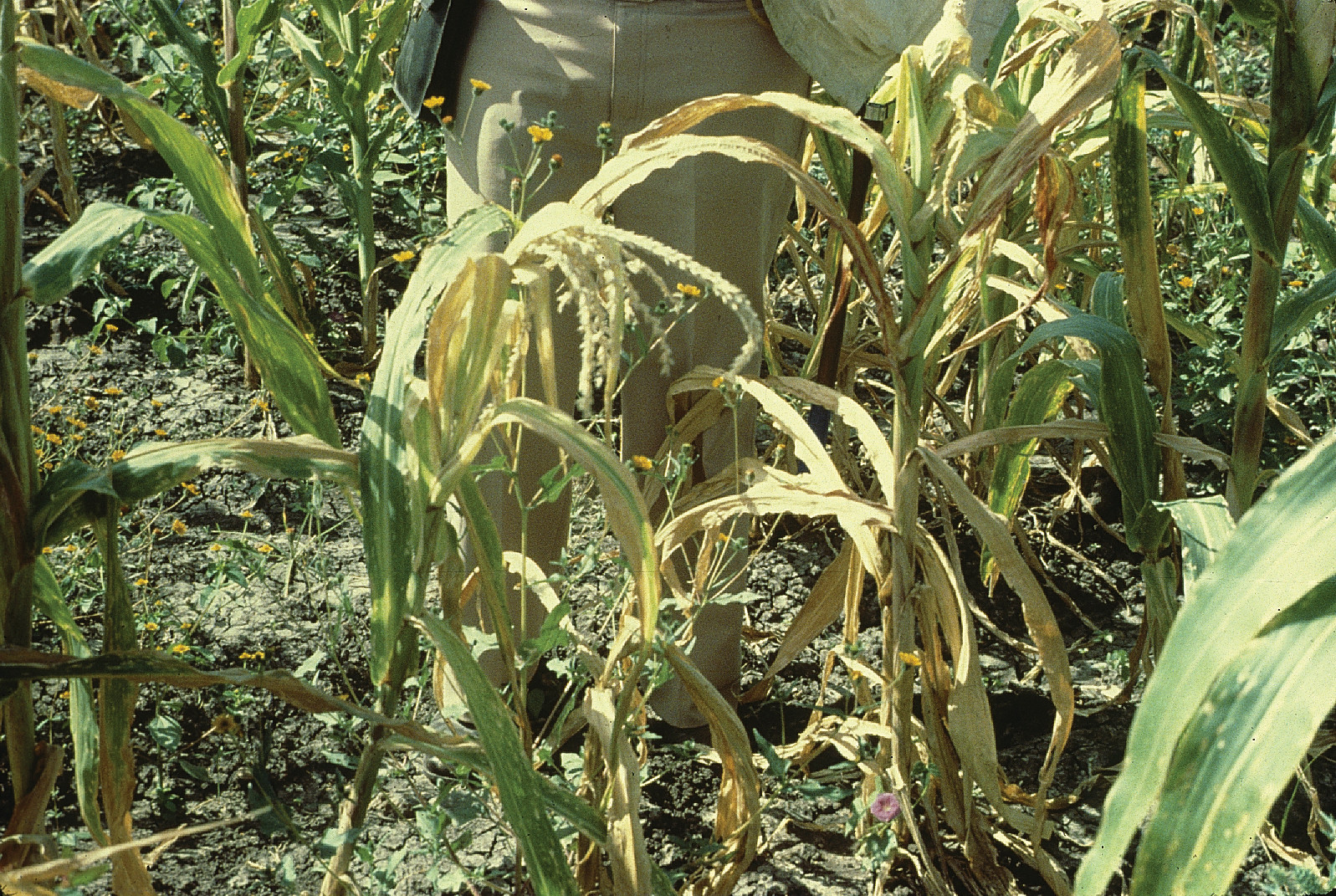
How Africa Stopped MLN—A Continental Victory Built on Science, Surveillance, and Clean Seed Systems
Climate adaptation and mitigation
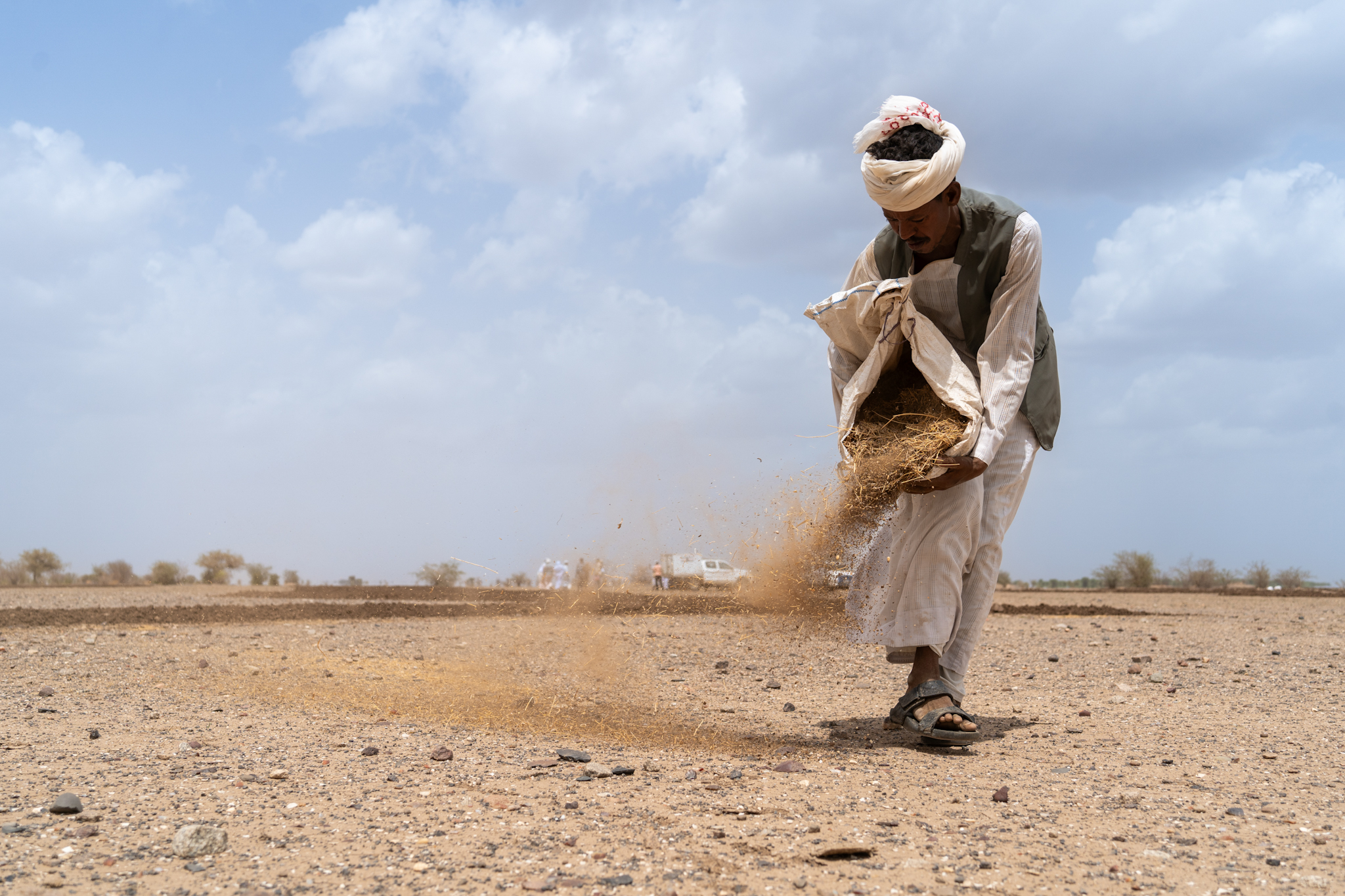
Sustain Africa Supports Fertilizer Deliveries for Agricultural Recovery in Sudan
Climate adaptation and mitigation
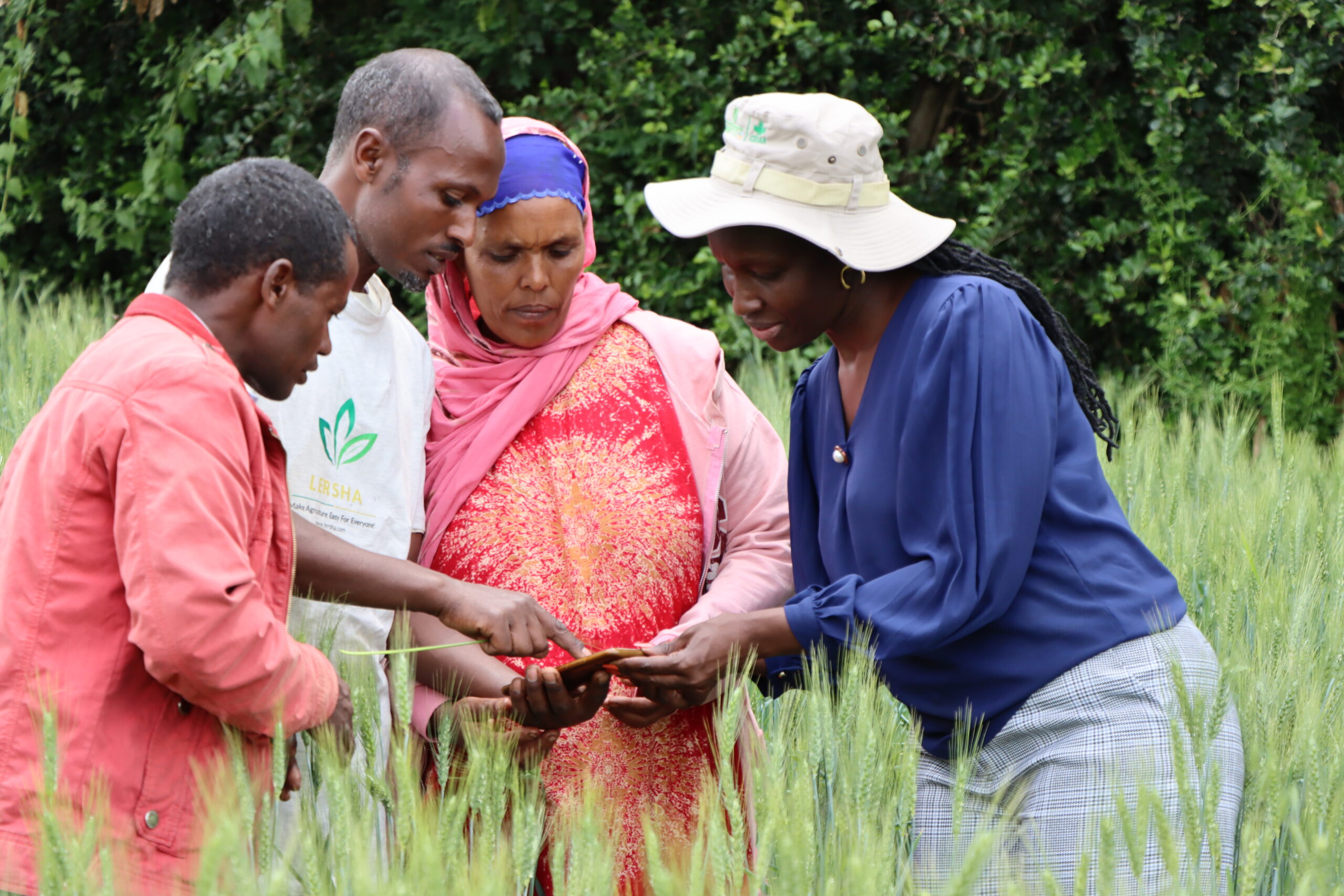
Leveraging Digital Advisory Platforms to build climate-resilient wheat farming systems in Ethiopia
Capacity development
Digital climate advisories are helping Ethiopia’s wheat farmers anticipate climate risks, improve yields, and build resilience in the face of growing climate uncertainty.
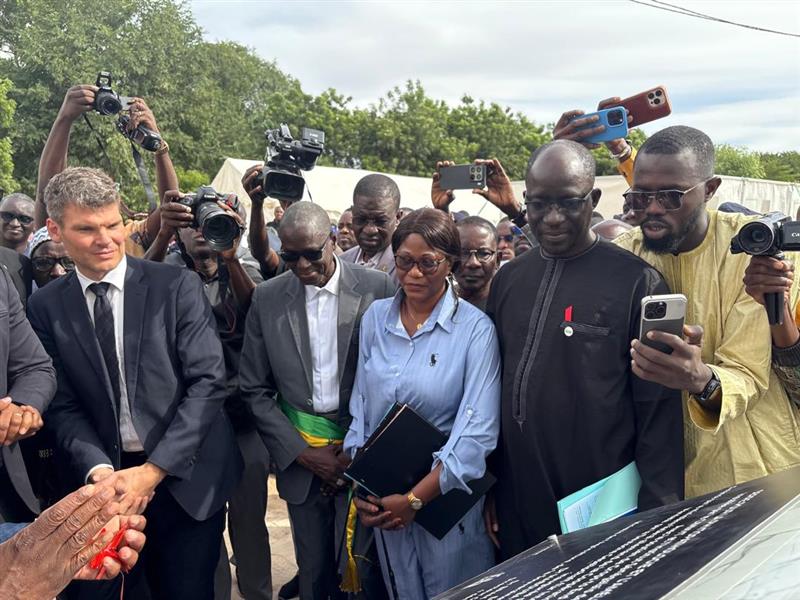
Senegal and CIMMYT, Together with CGIAR Partners, Commission a Modern Greenhouse to Advance Crop Improvement Across West and Central Africa
Dryland Crops
CIMMYT’s new Bambey greenhouse accelerates advanced research and breeding for key dryland crops, driving resilient and nutrition-focused innovations across West and Central Africa
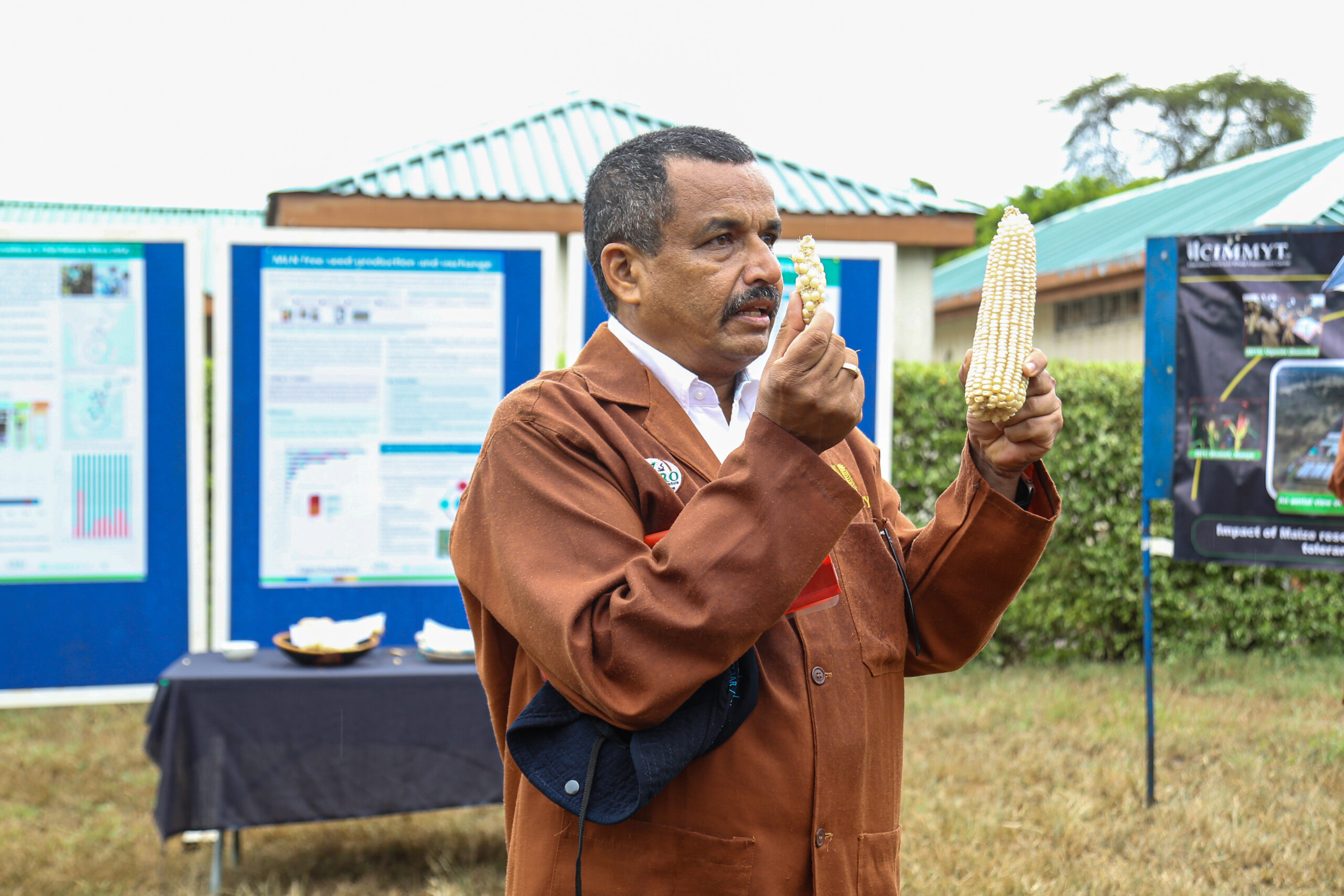
Safeguarding Africa’s Maize: Partners Visit CIMMYT’s MLN Screening Facility in Kenya
Climate adaptation and mitigation
During the Agri-Business Facility for Africa Maize Workshop, partners visited CIMMYT’s MLN Screening Facility in Kenya, to see how science and collaboration are safeguarding Africa’s maize

Bringing Soil back to its fertility and building resilient livelihoods through Conservation Agriculture in Ethiopia
Climate adaptation and mitigation
In Ethiopia’s Oromia Region, CIMMYT is restoring soil fertility and transforming smallholder livelihoods

Cross-Continental Learning: Indian Maize Scientists Visit CIMMYT-Kenya Under ICAR-CIMMYT Collaboration
Capacity development
Indian maize scientists visited CIMMYT’s Global Maize Program in Kenya under the ICAR–CIMMYT collaboration to explore cutting-edge maize research
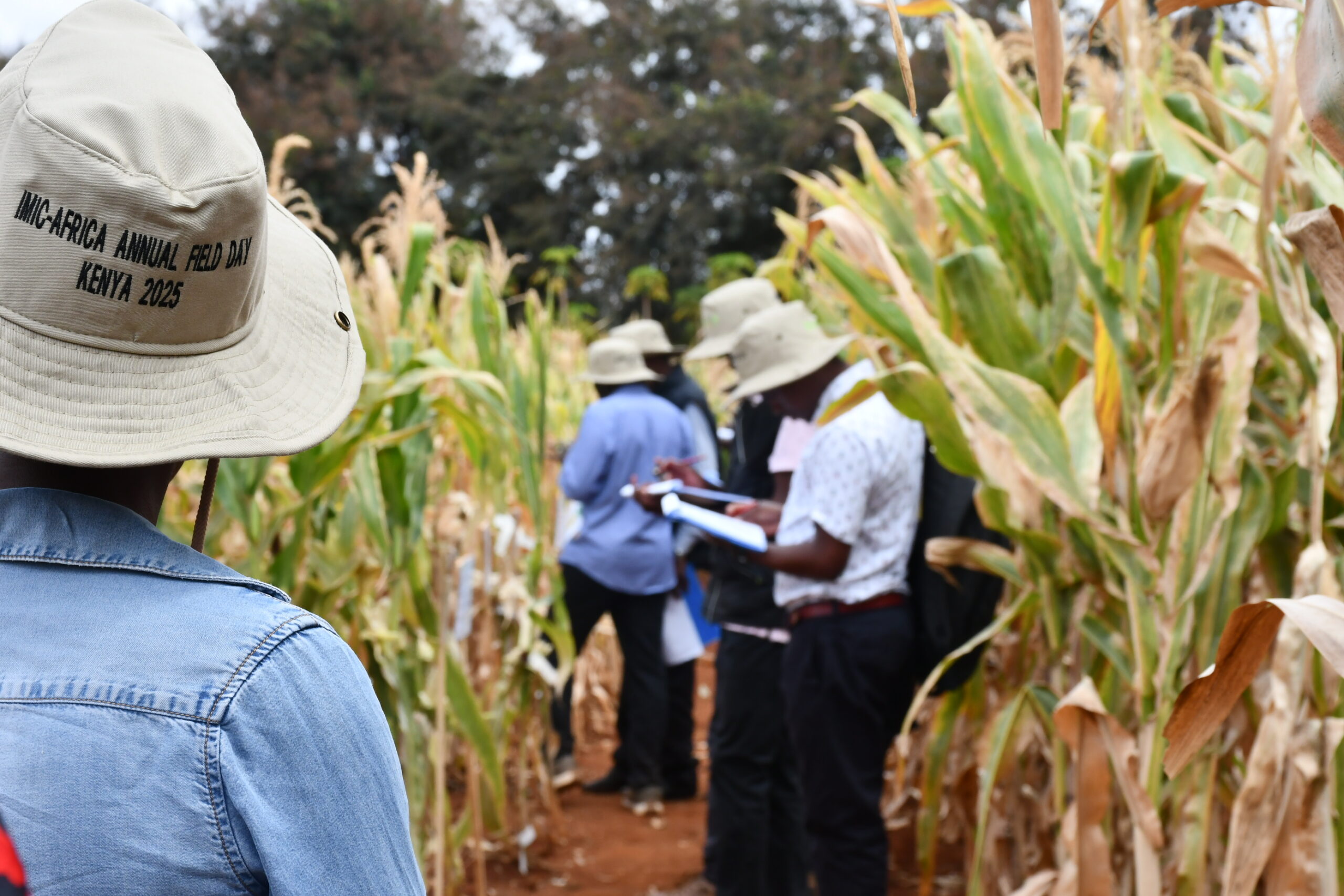
IMIC-Africa Field Days 2025: Partners Share Insights on Innovation and Collaboration
Capacity development
IMIC-Africa Field Days 2025 united partners to explore elite maize hybrids and advance resilient, high-yield innovations for African farmers
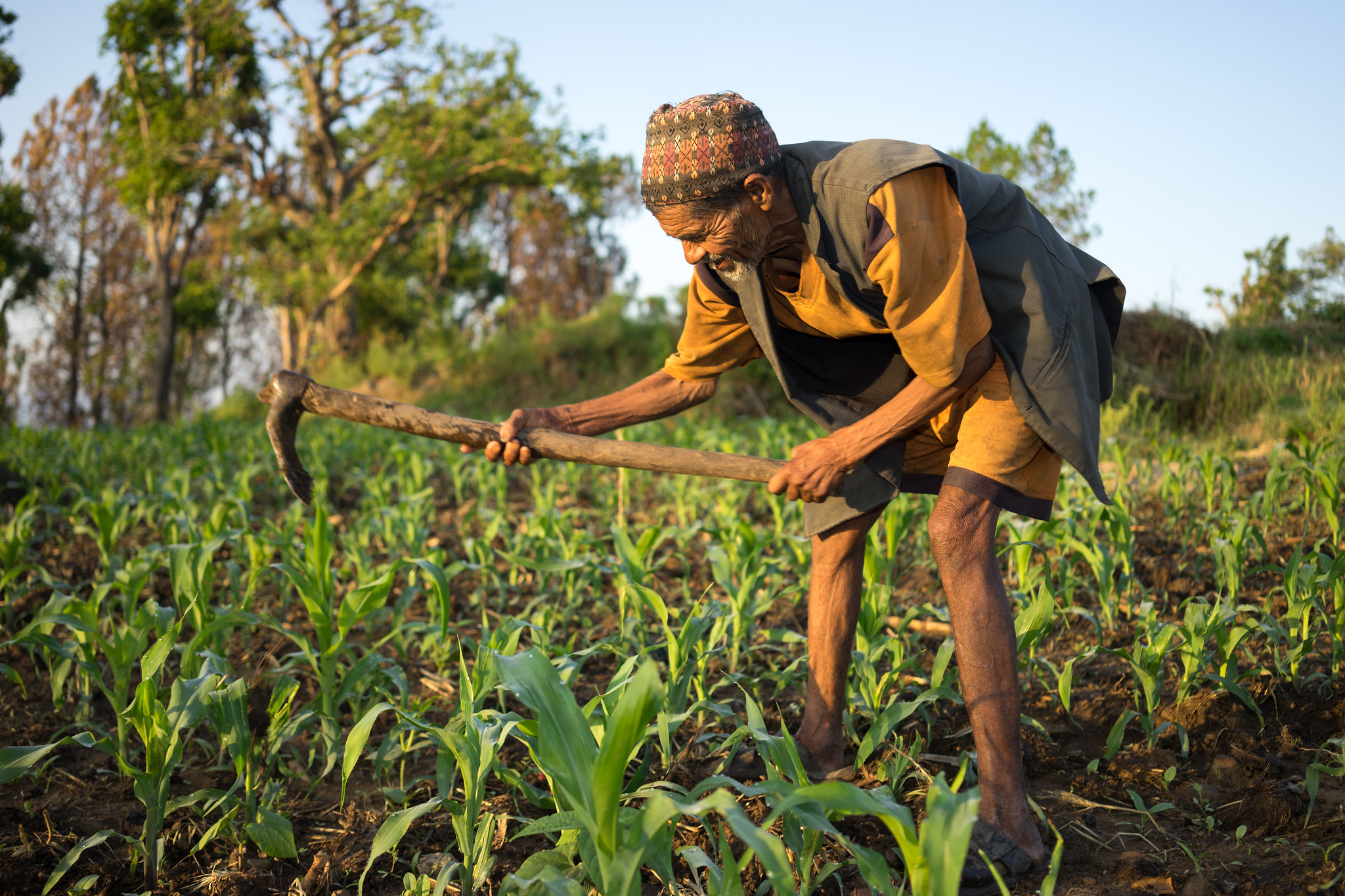
The CIMMYT Science Powering Africa’s Maize Revolution
A recent CNN feature on maize and climate change in Africa spotlighted CIMMYT’s remarkable progress in developing drought-tolerant varieties that are transforming smallholder farming
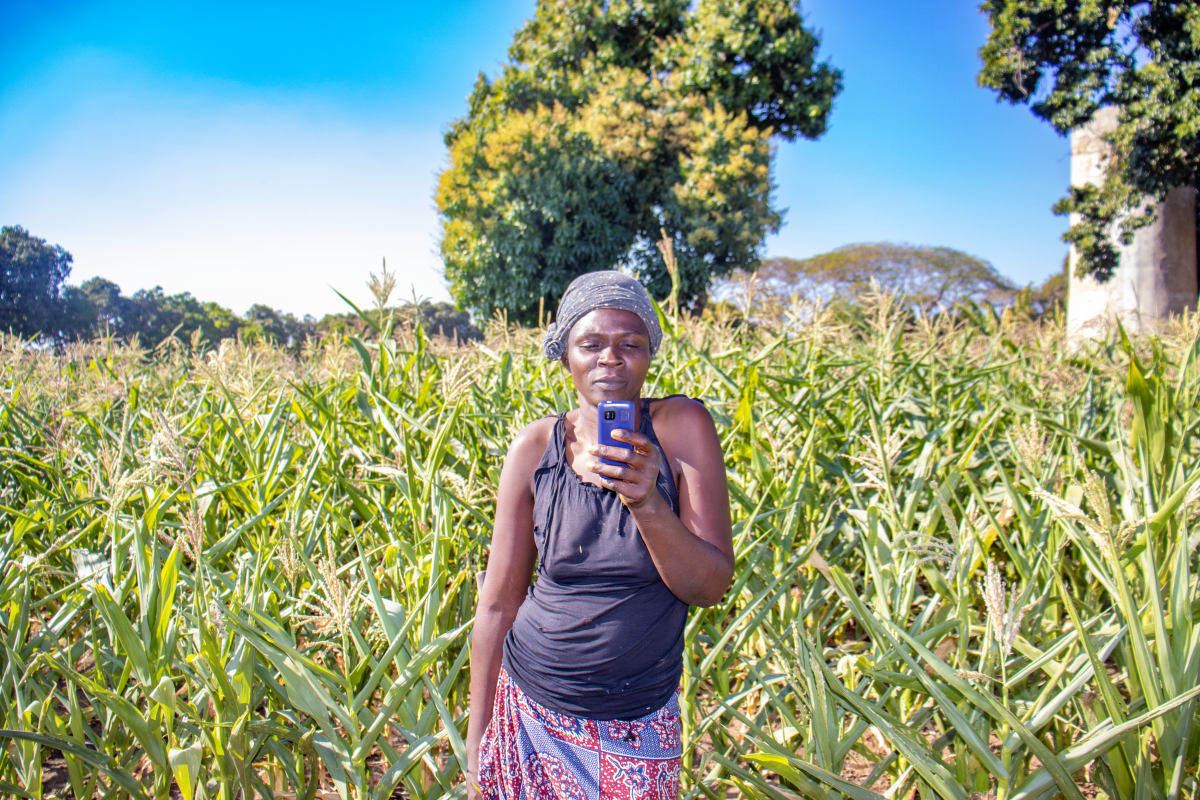
How Atubandike’s Content Committee turns farmers’ questions into trusted advice
Capacity development
Farmers in Zambia are shaping agricultural solutions through Atubandike, a digital platform that listens first, turning local voices into actionable, science-based advice for stronger, more resilient livelihoods
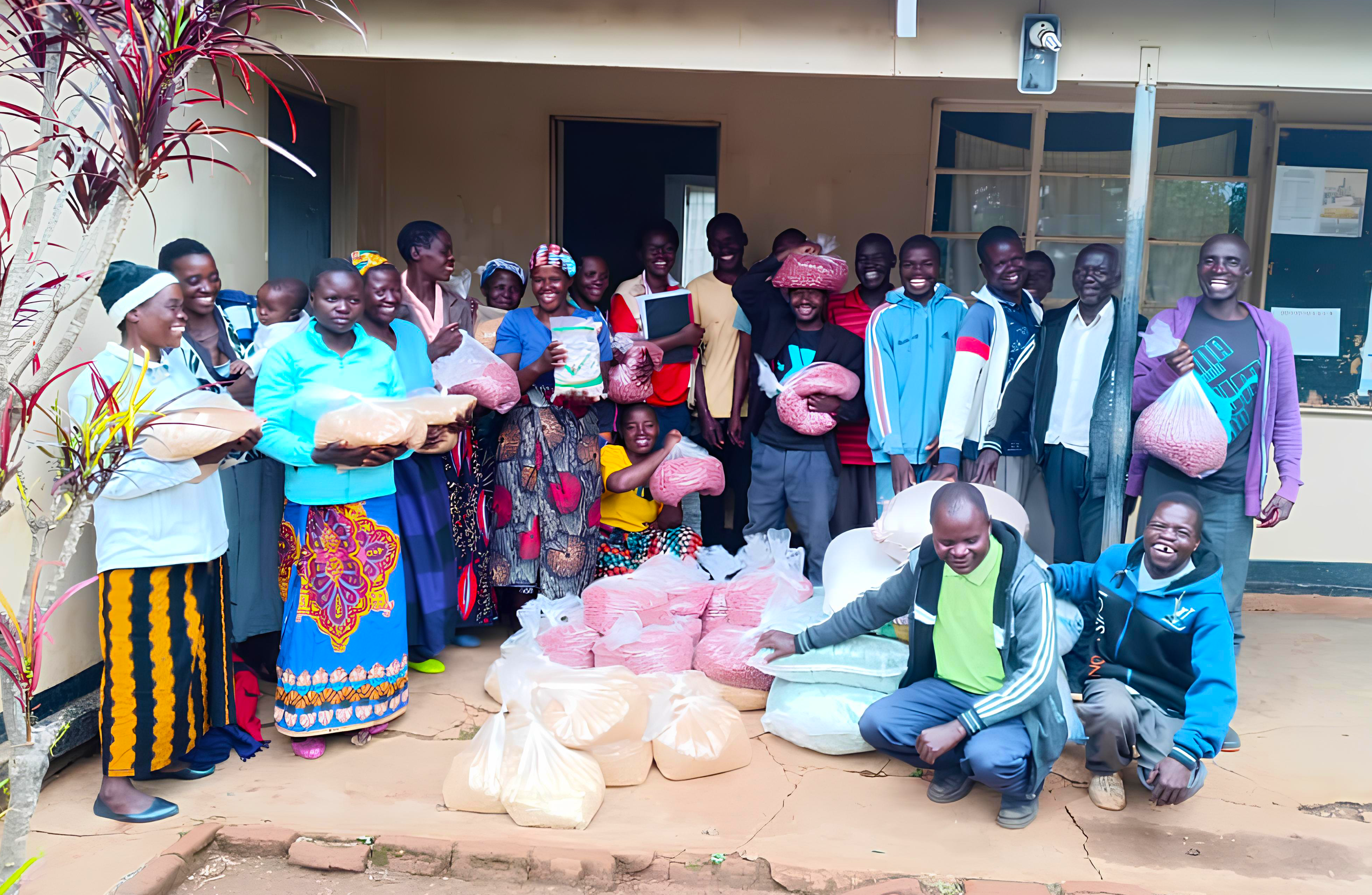
Empowering farmers through community seed entrepreneurship in Malawi
Capacity development
In Malawi, farmers are becoming seed entrepreneurs through the DARS–AID-I initiative, boosting food security and climate resilience
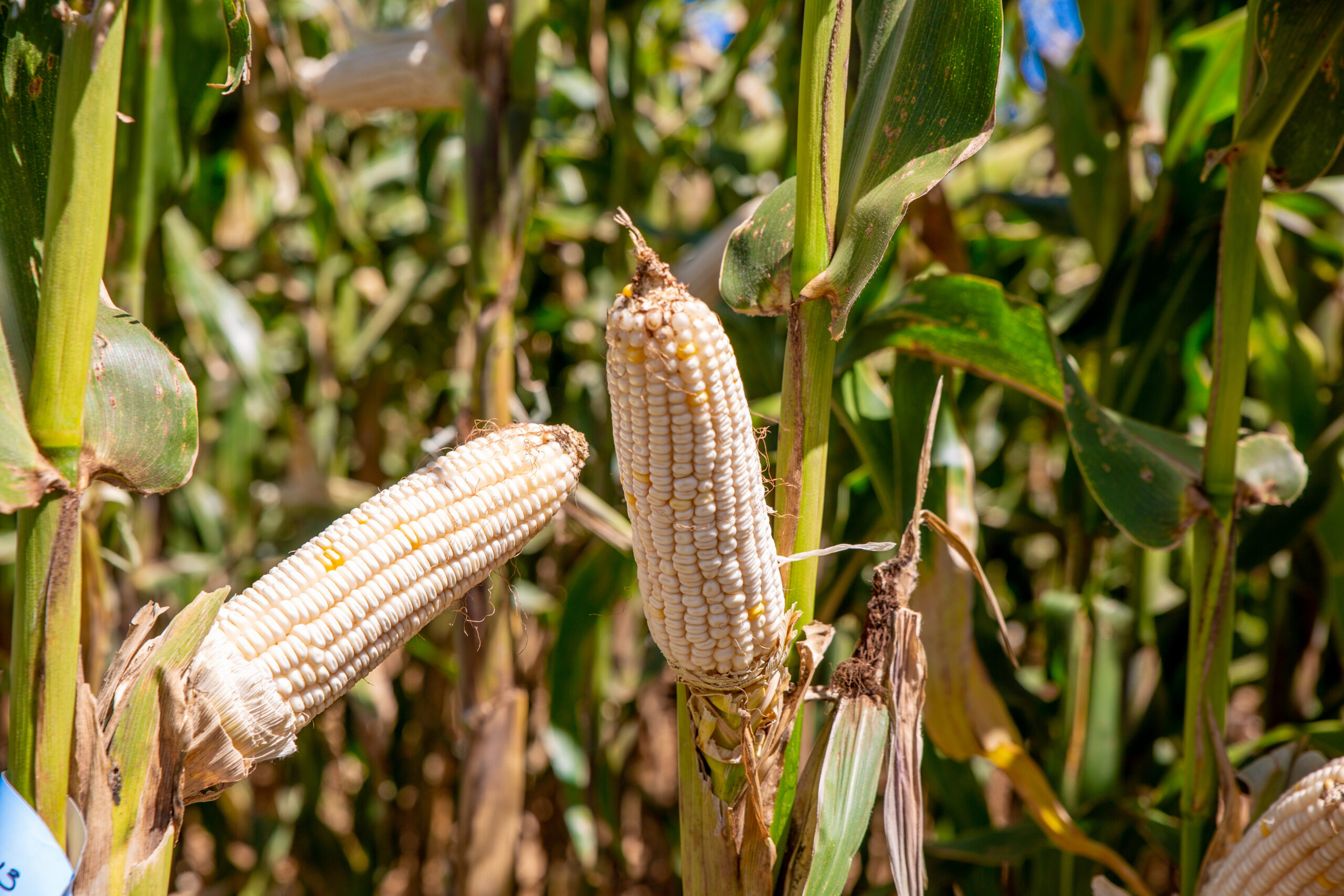
“Maize is Food”: Zambia’s Journey with Climate-Resilient Seeds
Climate adaptation and mitigation
A CIMMYT-led study in Zambia shows that climate-resilient maize only drives real impact when paired with strong markets, supportive policies, and better access to knowledge and finance